
UV air purifiers
Review the purpose, equipment and placement of a UV system. Coil-treatment and airstream applications differ; no universal germ-removal percentage or medical outcome is promised.
View uv air purifiers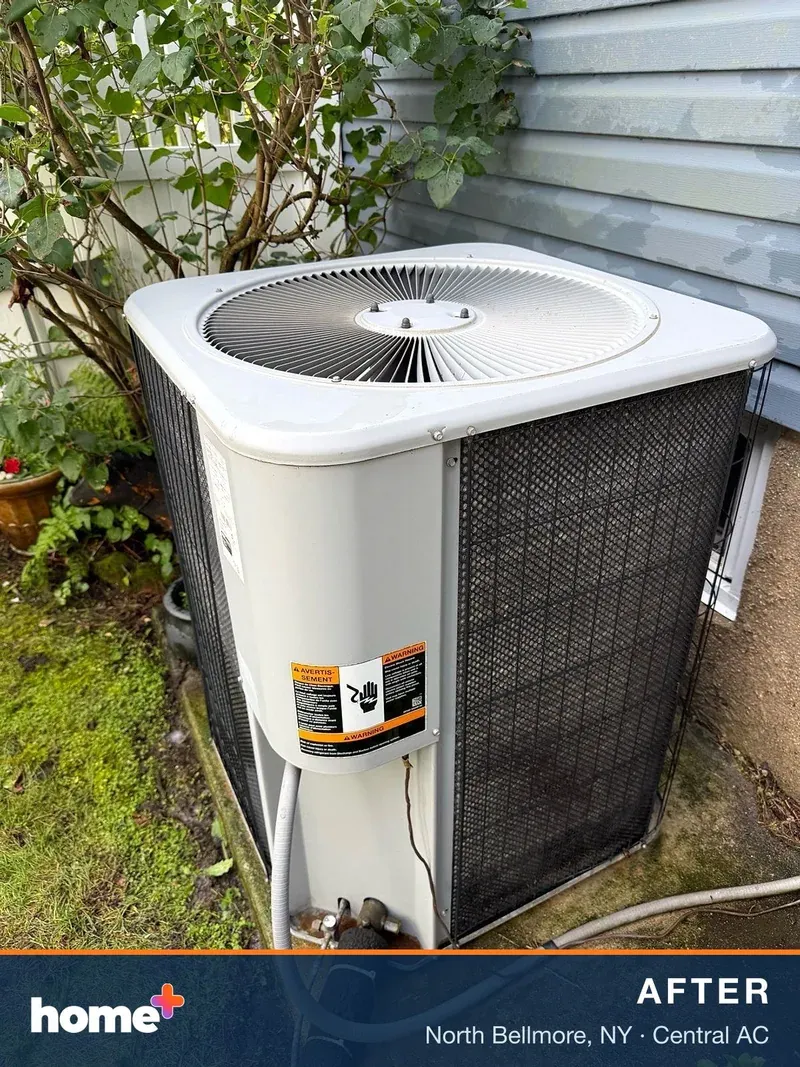
Home+ Air & Heat
Filtration, UV purifiers, humidity control and ventilation across Nassau, Suffolk, Queens and NYC. Review equipment-specific air quality work with Home+.
Nassau · Suffolk · Queens & NYC
Start with the work you need
Review the purpose, equipment and placement of a UV system. Coil-treatment and airstream applications differ; no universal germ-removal percentage or medical outcome is promised.
View uv air purifiersDescribe odors, dust, humidity and the rooms affected. Confirm the measurement or testing scope, limitations and written price before approving work; a free lab test is not offered here.
View air quality testingConsider winter dryness, window condensation, existing controls and compatible distribution. A humidifier needs appropriate water supply, drainage, maintenance and seasonal adjustment.
View whole-home humidifiersAssess recurring basement dampness or high indoor moisture together with leaks, drainage and ventilation. Equipment sizing, distribution and condensate removal affect the installation.
View dehumidifiersReview visible contamination, recent renovation debris or other specific concerns before selecting cleaning. Access, duct condition and the authorized scope determine the work and price.
View air duct cleaningReview suitable detector locations and equipment-safety concerns. A CO alarm is an emergency: leave and call 911 before arranging an HVAC inspection.
View carbon monoxide detectorsCompare fresh-air intake, exhaust and ERV/HRV arrangements with the home’s layout. Ventilation should be designed and checked for airflow rather than treated as an accessory alone.
View ventilation improvementsLeaks, no output and controls that do not respond need diagnosis of the water supply, pad, valve, humidistat and equipment connection. Parts and completion timing depend on the fault.
View humidifier repairERV, HRV, exhaust and control problems can involve cores, blowers, dampers or ducts. Compare measured airflow and equipment condition before authorizing a repair.
View ventilation system repairCompare the type of visit or installation before deciding. These are planning figures, not a quote. Equipment, access, electrical work, distribution and the approved scope determine your written price.
Free for all Home+ members. Non-member diagnostic credited toward an approved repair.
Filtration, UV, ventilation, humidity controls, thermostat compatibility and cleaning scopes need an equipment review. We do not quote a universal accessory price or a free laboratory test. Review the written scope and price before approving work.
Indoor air quality depends on pollutant sources, filtration, ventilation and moisture. A musty room, dust buildup, stale air or window condensation can have different causes. Describe where and when the concern occurs, whether it changes with HVAC operation and whether recent construction or water intrusion is involved.
Home+ can review filtration, UV equipment, humidity controls, duct conditions and ventilation in relation to the existing system. Testing and laboratory analysis have different scopes and limitations; confirm what will be measured and how the findings can inform a practical improvement plan.
An HVAC accessory is not a medical treatment or a guaranteed remedy for allergies, asthma or every pollutant. For respiratory distress or concerning symptoms, seek medical advice. For headaches or dizziness with a CO alarm or suspected combustion problem, leave and call emergency services instead of scheduling a routine assessment.
A filter captures particles carried through it; the rating, fit and airflow determine how it works with your system. A highly restrictive filter can reduce airflow in equipment not designed for it. Confirm the manufacturer’s requirements and assess the filter cabinet and return system before upgrading.
UV equipment can be used for specific coil or airstream applications. Performance depends on the model, installation, exposure and maintenance; it should not be described as killing a fixed percentage of every germ in a home. Safe placement and manufacturer instructions matter, including lamp shielding and replacement.
Portable filtration and HVAC-integrated products address different room and distribution needs. Compare the actual goal, equipment compatibility, maintenance costs and authorized installation work. A combined approach may be appropriate, but do not assume every home needs the same package or that all products avoid ozone.
Winter dryness and summer dampness need different strategies. Record indoor humidity, outdoor conditions and where discomfort or condensation appears. Basement moisture can involve exterior drainage, leaks or air movement as well as humidity-control equipment. A dehumidifier does not repair a source of water intrusion.
A whole-home humidifier needs a suitable connection, water supply, controls and regular maintenance. Excess humidification can create condensation on cold windows or other surfaces. Follow manufacturer guidance and adjust the setting to the season and building conditions rather than maintaining one number regardless of the weather.
Dehumidification needs capacity matched to the space and moisture load, plus a reliable drain route. Discuss air distribution, noise and access. For an existing humidifier or dehumidifier that leaks or fails to operate, diagnose the equipment and controls before purchasing a replacement.
Fresh-air and exhaust arrangements affect both air quality and heating or cooling demand. An ERV or HRV is not simply an extra fan: placement, duct connections, controls, maintenance and balanced airflow must suit the building. Review current ventilation and the cause of stale-air concerns before selecting equipment.
Duct cleaning may address particular contamination or debris, but it should not be sold as a universal treatment for every air-quality complaint. Inspect duct materials, access and condition, and clarify what cleaning includes. Damage, leakage and insulation problems need their own scope rather than assuming cleaning corrects them.
A ventilation repair should consider filters, cores, blowers, dampers, controls and connected ducts. Measure the relevant airflow and explain findings before work is approved. Sealing or changing an older home’s envelope can affect ventilation and combustion conditions, so coordinate the work with the existing systems.
Persistent dust, musty odors, damp areas, condensation or rooms that feel stale are useful observations. Note whether pets, smoke, cleaning products, renovation work or water leaks may be contributing. An equipment review separates sources from filtration and ventilation conditions instead of beginning with a predetermined sale.
Routine filter checks and maintenance should follow the installed equipment instructions. A visibly dirty filter, wet insulation or disconnected ventilation needs attention, but do not open energized equipment or directly expose yourself to UV lamps. Ask about the maintenance and replacement needs of any proposed product.
All accessory and testing work on this page is priced at the visit unless a specific verified written quote is provided. The equipment, access, measurements and authorized installation determine the cost. Review the scope, product information, limitations and applicable warranty terms before deciding.
The appropriate indoor humidity setting depends on the season, outdoor temperature and the building’s surfaces. A setting that feels comfortable in mild weather may create condensation on cold winter windows. Record conditions and follow the equipment guidance instead of expecting one fixed setting to suit every home throughout the year.
A whole-home humidifier adds moisture through an equipment-specific process and needs a reliable water supply, control setup and drainage. Water panels and other components need the prescribed maintenance. A leaking valve, blocked drain or control problem should be diagnosed rather than corrected by raising or lowering the humidistat alone.
Dehumidifier water removal depends on the model, incoming air conditions, capacity and operating environment. The amount collected in one day is not a universal promise of performance in another basement. Discuss the intended space, moisture load, air distribution and drain arrangement when comparing equipment.
UV lamp replacement intervals vary by model and intended output. A lamp may still illuminate after its useful treatment output has declined, so follow manufacturer maintenance requirements. Shielding, correct installation and safe service procedures are important; do not look directly at or expose skin to an operating UV lamp.
A home without useful whole-house ducts may need a different filtration or ventilation approach from a central forced-air system. Mini-split heads have their own filters and cleaning requirements but do not automatically provide outdoor fresh air. Review each room and source rather than assuming central equipment treats all spaces equally.
Cape-style and split-level homes often mix older boilers, radiators or baseboard with separately added central AC. A ducted replacement needs an airflow review; boiler-heated additions may be better suited to a correctly sized ductless system. PSEG Long Island supplies electricity; check your bill before using a utility rebate.
Oil-fired hydronic systems, larger homes and later additions can require careful zoning and distribution planning. Compare repair or maintenance with a heat-pump upgrade using a heating load calculation—not a fuel-conversion sales shortcut. Access, electrical capacity and existing controls matter throughout Suffolk.
Find your Suffolk communityAttached homes, apartments and older steam systems have different access, noise and equipment-placement constraints. Building or owner approval may be required. Con Edison serves many NYC addresses, but the Rockaways use PSEG Long Island electricity. Call with the exact address and system before selecting a visit.
Confirm address coverageRecent work
Recent published projects with real equipment photos and the work performed.
RepairNorth Bellmore, NY·Central AC
See the job
 Repair
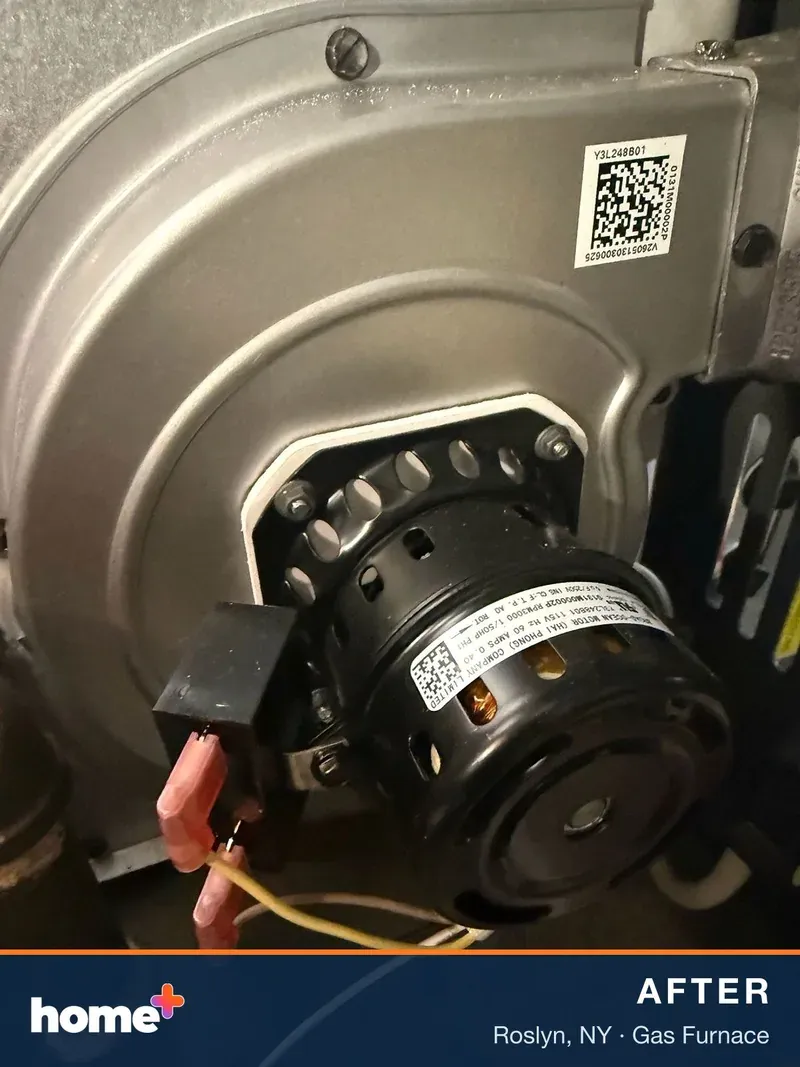
Roslyn, NY·Gas furnace
See the job
 Maintenance
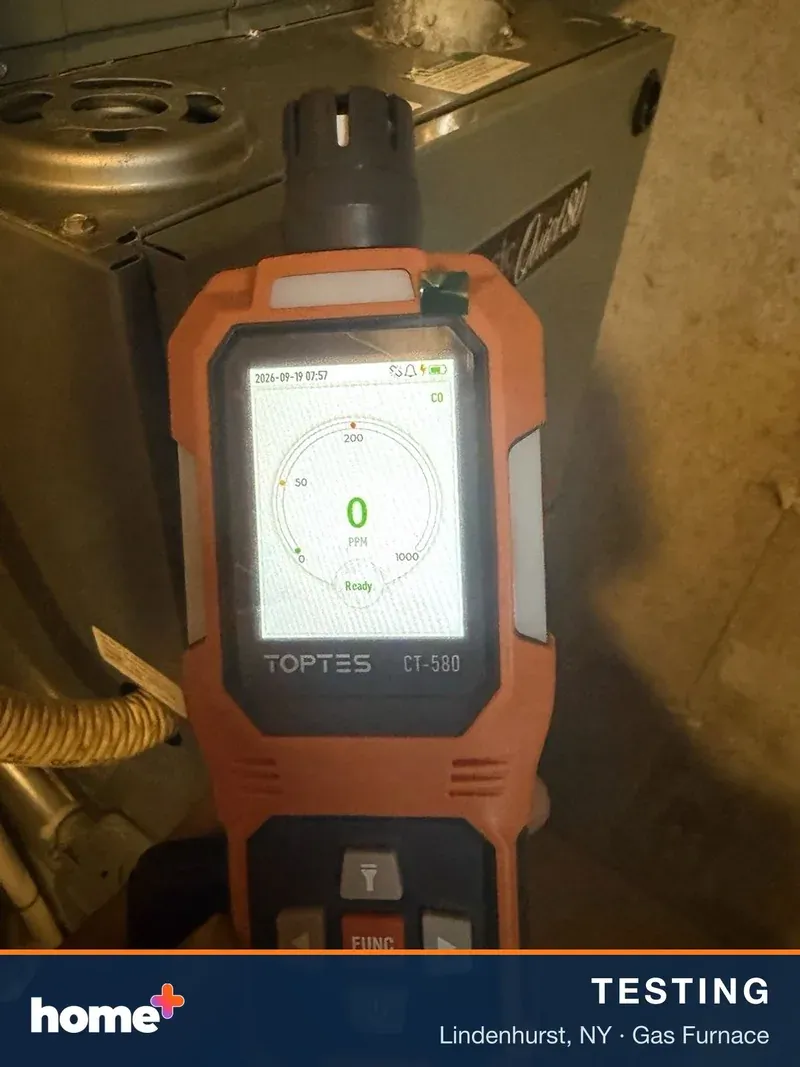
Lindenhurst, NY·Gas furnace
See the job
Photos enhanced for clarity.

Owner
Blake runs Home+ from our office in Jericho.
NYC DCWP Home Improvement Contractor Lic. #2138487-DCWP
Home+ Comfort is $11.99/mo, paid up front as $143.88 for Year 1. From year two, choose $29/month or $299/year under the plan terms. All member diagnostics are free; review included maintenance, repair discounts and system terms before enrolling.
Compare Home+ plansFor a planned replacement, compare the written project price with available equal-payment financing. Financing is subject to credit approval. Review current plans, APRs, terms, and qualification details on the financing page; offers may change.
View financing termsHome+ serves Nassau County, Suffolk County, Queens and NYC. Share the exact address, property type and equipment when calling. Dispatch confirms service coverage, access requirements and the current appointment window; a county name alone does not establish that every equipment type can be serviced at every building.
The standard residential diagnostic is $199 for non-members and is credited toward an approved repair. Diagnostics are free for all Home+ membership plans. Repair work, parts and equipment are separate from the diagnostic; review the findings and proposed written price before authorizing additional work.
No fixed arrival or completion time is promised. Dispatch confirms the current window after checking technician availability, the address, equipment, traffic, weather and demand. A repair may need a part, safe access or another visit. Ask what is included, what remains to be confirmed and how follow-up work will be scheduled.
No. Homeowners can request a diagnostic, maintenance or installation estimate without joining. Comfort is $11.99/mo, paid up front as $143.88 for Year 1, with $29/month or $299/year from year two under the membership terms. Compare included tune-ups, free diagnostics and repair discounts with your needs before enrolling.
Financing is available subject to credit approval and the selected plan. Compare the complete installation scope and written price first, then review current plans, APRs, equal-payment terms and qualification details on the financing page. Do not assume a sample monthly figure applies to your project or that an advertised financing plan automatically qualifies.
Have the service address, equipment make and model if accessible, approximate age, symptoms, maintenance history and any error code ready. Note whether the problem affects one room or the whole home. Provide safe access to the equipment and discuss building or landlord requirements. Do not remove energized covers, open refrigerant circuits or adjust fuel-burning components.
Start by identifying sources, moisture conditions and ventilation needs. Appropriate filtration and maintenance can help with particles, but the right work depends on the home and equipment. Describe specific concerns and review a measurement or assessment plan before buying an accessory.
There is no universal cleaning schedule for every home. Visible contamination, renovation debris, pests or a specific inspected concern may justify work. Confirm duct condition, access and the proposed scope; cleaning does not fix leaks, moisture sources or every air-quality issue.
Follow the filter and equipment manufacturer’s schedule, and check the filter monthly during heavy heating or cooling use. Thin one-inch filters often need changing every one to three months; deeper media filters usually last longer. Pets, renovation dust and nearby construction shorten the interval. A clogged filter restricts airflow, so a filter upgrade should match what the blower can handle.
Many homes are comfortable at roughly 30–50% relative humidity. Long Island winters often run drier than that indoors, while basements and summer months can run higher. Persistent window condensation, musty odors or very dry air are worth raising at the visit, along with where they occur. Whole-home humidifiers and dehumidifiers should be sized and set for the specific home.
Choose a filter compatible with the equipment and airflow requirements. Higher filtration ratings can increase resistance, so an upgrade may need cabinet or distribution review. An HVAC filter does not guarantee medical symptom relief; discuss health concerns with a qualified healthcare professional.
Review winter humidity, comfort, condensation and existing controls first. A suitable humidifier needs water, drainage, compatible distribution and maintenance. Too much moisture can cause condensation, so installation and seasonal settings should reflect the building rather than an automatic product recommendation.
Potential contributors include pollutant sources, dust, moisture, inadequate ventilation, filter condition or recent renovation work. More than one factor may be involved. Record the affected rooms and when concerns occur so the assessment can distinguish sources from equipment performance.
A UV product may suit a specific coil or airstream application, but performance depends on the model, exposure, installation and maintenance. Compare the intended purpose and product information. No universal germ-removal percentage or improvement to a medical condition is promised.
Recurring excessive moisture may justify equipment after leaks, drainage and ventilation conditions are considered. A dehumidifier removes water from air; it does not repair water intrusion. Capacity, distribution and condensate disposal need to fit the space and moisture load.
It moves air across a cooled surface to condense moisture and routes the collected water to a drain. The installation must consider airflow, controls, capacity and condensate drainage. Discuss maintenance and the cause of damp conditions before selecting equipment.
Yes. Pads, water paths, controls and drainage need maintenance according to the model. A unit that leaks or produces no moisture needs diagnosis. Do not assume a humidity setting alone establishes safe operation or that a new unit requires no seasonal attention.
Share your address, equipment and symptoms. We confirm appointment windows and emergency ETAs by phone; timing depends on technician availability, location, traffic, and weather. Diagnosis and parts determine repair completion.