
Heating repair
Start with a diagnostic when heat stops, rooms stay cold or the system repeatedly shuts down. The technician identifies the fault before presenting a repair option.
View heating repair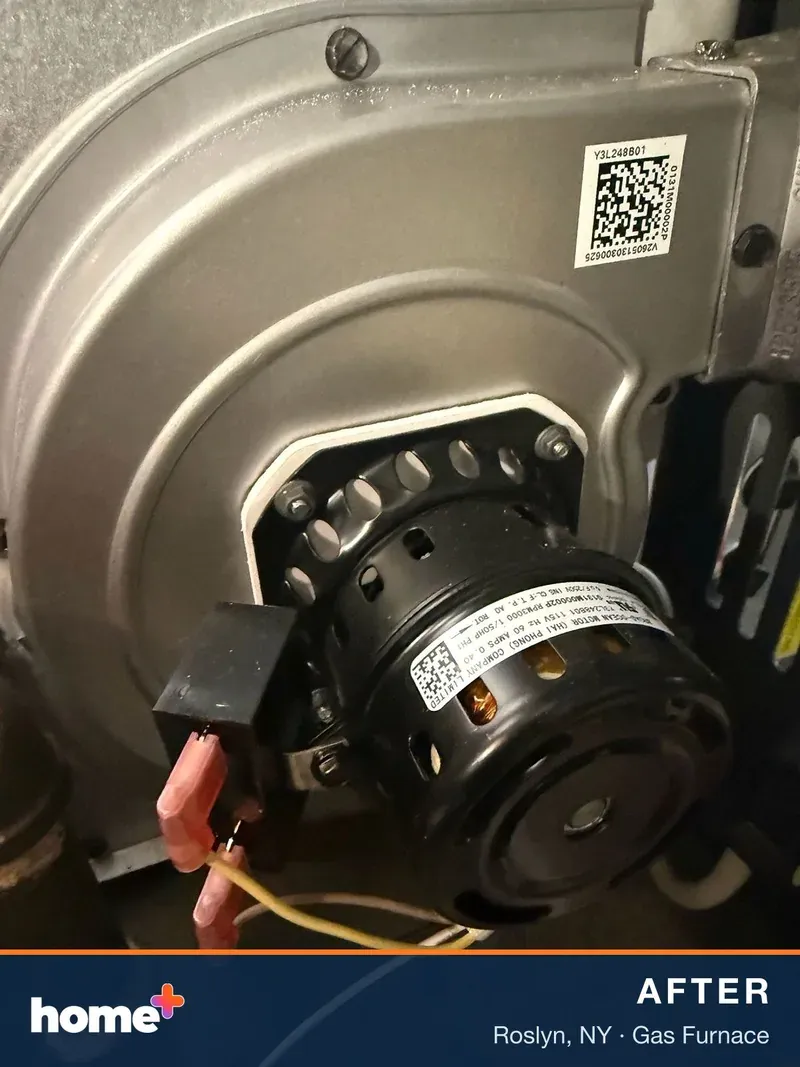
Home+ Air & Heat
Heating repair, tune-ups and furnace, boiler or heat pump installation across Nassau, Suffolk, Queens and NYC. Compare your next step with Home+.
Nassau · Suffolk · Queens & NYC
Start with the work you need
Start with a diagnostic when heat stops, rooms stay cold or the system repeatedly shuts down. The technician identifies the fault before presenting a repair option.
View heating repairChoose planned maintenance rather than troubleshooting an active breakdown. Compare Standard and Premium work for your furnace, boiler, heat pump or oil burner.
View heating tune-upsIgnition, flame sensing, draft, blower and control problems need equipment-specific testing. Report any fault code and whether the furnace starts, runs briefly or never lights.
View furnace repairCompare a same-fuel replacement with the home’s heating load, existing ducts and venting. Installation quality and airflow matter as much as the equipment brand.
View furnace installationSteam and hot-water systems have different controls, pressure and distribution needs. Leaks, cold zones and cycling problems require a review of the boiler and the connected system.
View boiler repairPlan the fuel, hot-water or steam distribution, zones, chimney or venting, and domestic hot water before choosing replacement equipment. The written scope determines the price.
View boiler installationCompare ducted or ductless heating and cooling with a load calculation and a review of existing distribution. Check the relevant utility rebate before installation.
View heat pump installationRoutine furnace maintenance checks safety, controls and operating performance. It is separate from a repair, and optional work is explained before authorization.
View furnace tune-upReview electrical capacity, heating demand and whether existing heat remains as backup. Oil homes can compare a heat-pump upgrade without an oil-to-gas conversion offer.
View furnace to heat pumpNo heat in cold weather deserves a call with the address and symptoms. Gas odor, a CO alarm, smoke or fire require emergency responders before HVAC scheduling.
View emergency heatingCompare the type of visit or installation before deciding. These are planning figures, not a quote. Equipment, access, electrical work, distribution and the approved scope determine your written price.
Free for all Home+ members. Non-member diagnostic credited toward an approved repair.
Per standard system. Premium and oil-burner service have separate tiers: oil starts from $349. Seasonal offers have their own terms.
Heat pumps and heat pump water heaters have separate utility programs. Check your ZIP, project and address before planning the installation; final eligibility requires program approval.
A heating service is a technician visit that diagnoses or maintains your furnace, boiler or heat pump. Depending on the equipment and selected work, it can include safety, combustion and carbon monoxide checks, thermostat and control testing, airflow and filter inspection, and written repair or replacement options. The diagnostic and maintenance scopes are not interchangeable.
Long Island winters put different demands on gas furnaces, oil burners, steam boilers and heat pumps. A cold bedroom may come from distribution or controls rather than a failed heating unit. Report the rooms affected, the thermostat settings and when the problem occurs so the technician can distinguish the equipment fault from the system around it.
If your furnace stops producing heat or a boiler leaks, begin with diagnosis. For a planned upgrade, compare the repair history, age, operating cost, comfort and installation conditions. Appointment windows and emergency ETAs are confirmed by phone; the diagnosis, parts and access determine how the approved work proceeds.
Repair targets a reported failure. Maintenance checks a working system before peak demand and records its condition. Replacement planning considers the complete installation: capacity, venting, electrical service, ductwork or piping, controls and removal of old equipment. A tune-up is not a promise to resolve every fault or provide every component replacement.
A standard non-oil tune-up is $299; Premium is $449. Full oil-burner service starts from $349, with Premium at $499. Compare the shared tier details and any seasonal offer terms instead of treating all systems as one maintenance price.
Repeated lockouts, a new burning smell, loud mechanical noises or rising bills should not be dismissed as normal aging. Note the symptoms and call. For gas odor or a CO alarm, leave first and contact emergency responders from a safe location; do not wait for a technician to decide whether the home is safe.
A furnace uses ducts to move warmed air; a boiler uses water or steam to distribute heat through radiators or baseboard. A heat pump can serve suitable existing ducts or use indoor ductless units. The right option depends on the home’s heat loss, insulation, room layout and distribution—not just the equipment name.
A boiler-heated home does not automatically need new whole-house ducts to adopt a heat pump. Ductless planning needs suitable indoor-unit locations, condensate drainage, refrigerant piping and outdoor clearances. Where existing heat stays as backup, controls should make the intended operating sequence clear and meet utility requirements.
Before installation, compare the load calculation, equipment capacity, treatment of old heat, airflow or piping corrections and written warranty terms. A lower equipment price may exclude work the home still needs. Heat-pump rebate eligibility depends on the utility, project and address, so verify the program rather than subtracting an assumed incentive.
Uneven temperatures, frequent cycling, unusual banging or rattling, thermostat readings that do not match room comfort and unexpected fuel or electricity increases can have several causes. Filter restrictions, controls, sizing and distribution should be considered before assuming the main unit must be replaced.
Call or choose a visit time, share the equipment and symptoms, and receive a confirmed appointment window. At the visit, an insured, EPA 608-certified technician evaluates the system, explains the findings and gives a written option before additional work begins. Approved work is tested, and any parts or follow-up requirements are explained.
For an installation, review equipment, disposal, venting or piping, controls, electrical changes and applicable manufacturer and labor warranty terms in writing. Home+ services common heating brands; share the make and model so the office can confirm support for the requested equipment and work.
Cape-style and split-level homes often mix older boilers, radiators or baseboard with separately added central AC. A ducted replacement needs an airflow review; boiler-heated additions may be better suited to a correctly sized ductless system. PSEG Long Island supplies electricity; check your bill before using a utility rebate.
Oil-fired hydronic systems, larger homes and later additions can require careful zoning and distribution planning. Compare repair or maintenance with a heat-pump upgrade using a heating load calculation—not a fuel-conversion sales shortcut. Access, electrical capacity and existing controls matter throughout Suffolk.
Find your Suffolk communityAttached homes, apartments and older steam systems have different access, noise and equipment-placement constraints. Building or owner approval may be required. Con Edison serves many NYC addresses, but the Rockaways use PSEG Long Island electricity. Call with the exact address and system before selecting a visit.
Confirm address coverageRecent work
Recent published projects with real equipment photos and the work performed.
RepairRoslyn, NY·Gas furnace
See the job
 Maintenance
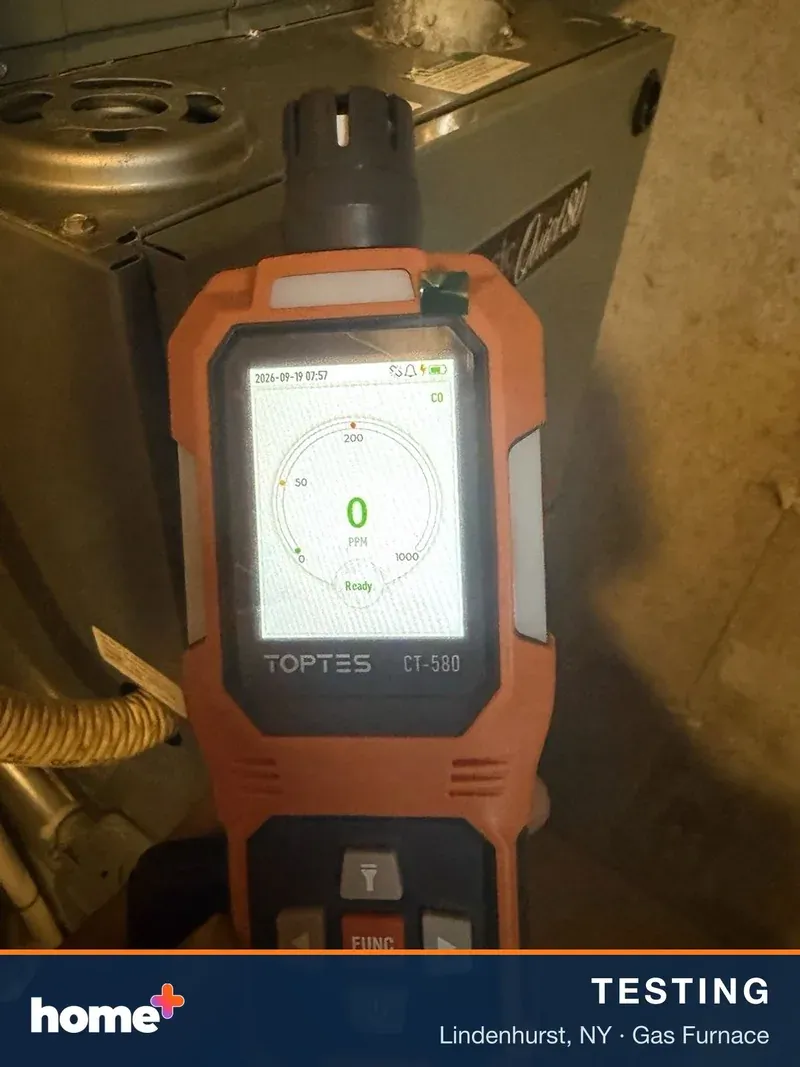
Lindenhurst, NY·Gas furnace
See the job
 Repair
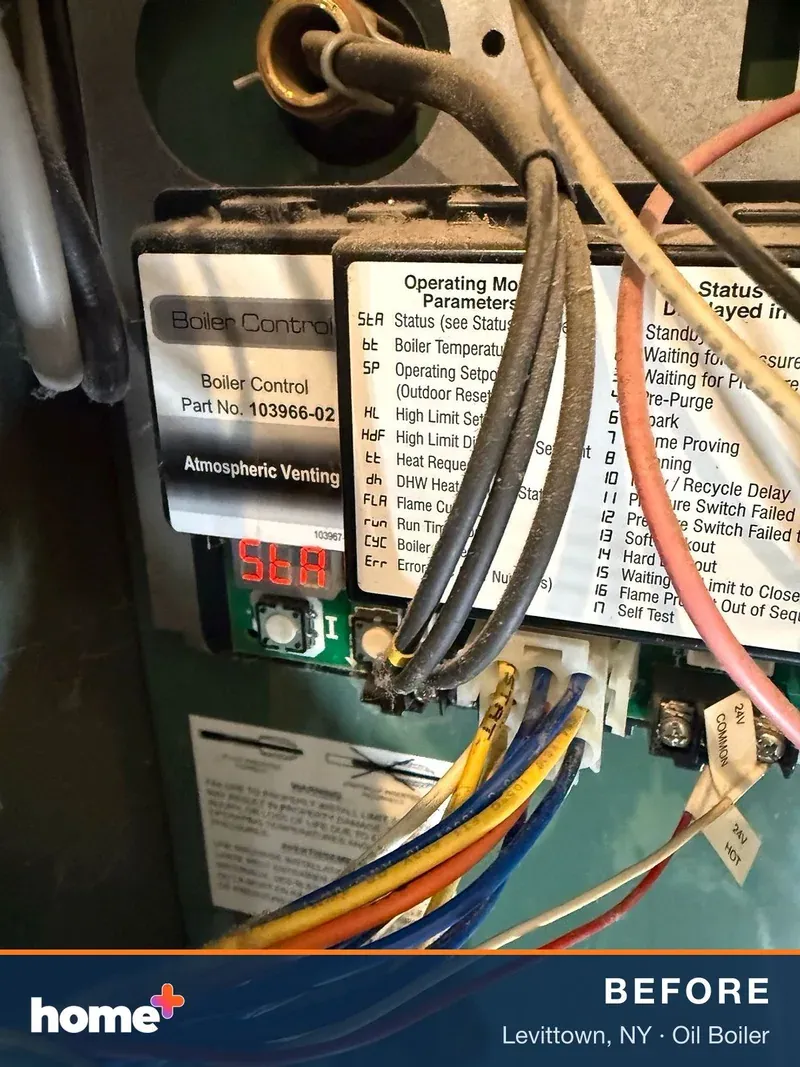
Levittown, NY·Gas boiler
See the job
Photos enhanced for clarity.

Owner
Blake runs Home+ from our office in Jericho.
NYC DCWP Home Improvement Contractor Lic. #2138487-DCWP
Home+ Comfort is $11.99/mo, paid up front as $143.88 for Year 1. From year two, choose $29/month or $299/year under the plan terms. All member diagnostics are free; review included maintenance, repair discounts and system terms before enrolling.
Compare Home+ plansFor a planned replacement, compare the written project price with available equal-payment financing. Financing is subject to credit approval. Review current plans, APRs, terms, and qualification details on the financing page; offers may change.
View financing termsHome+ serves Nassau County, Suffolk County, Queens and NYC. Share the exact address, property type and equipment when calling. Dispatch confirms service coverage, access requirements and the current appointment window; a county name alone does not establish that every equipment type can be serviced at every building.
The standard residential diagnostic is $199 for non-members and is credited toward an approved repair. Diagnostics are free for all Home+ membership plans. Repair work, parts and equipment are separate from the diagnostic; review the findings and proposed written price before authorizing additional work.
No fixed arrival or completion time is promised. Dispatch confirms the current window after checking technician availability, the address, equipment, traffic, weather and demand. A repair may need a part, safe access or another visit. Ask what is included, what remains to be confirmed and how follow-up work will be scheduled.
No. Homeowners can request a diagnostic, maintenance or installation estimate without joining. Comfort is $11.99/mo, paid up front as $143.88 for Year 1, with $29/month or $299/year from year two under the membership terms. Compare included tune-ups, free diagnostics and repair discounts with your needs before enrolling.
Financing is available subject to credit approval and the selected plan. Compare the complete installation scope and written price first, then review current plans, APRs, equal-payment terms and qualification details on the financing page. Do not assume a sample monthly figure applies to your project or that an advertised financing plan automatically qualifies.
Have the service address, equipment make and model if accessible, approximate age, symptoms, maintenance history and any error code ready. Note whether the problem affects one room or the whole home. Provide safe access to the equipment and discuss building or landlord requirements. Do not remove energized covers, open refrigerant circuits or adjust fuel-burning components.
Plan heating maintenance before the heating season and follow your equipment manufacturer’s requirements. A working system still needs appropriate safety and performance checks. Existing noises, leaks or lockouts should be reported as symptoms rather than waiting for a routine tune-up to discover them.
A thermostat fan setting, ignition fault, flame-sensing issue, safety lockout or airflow problem can cause cold air. Check only ordinary thermostat settings and accessible filter condition. Do not bypass safety controls or repeatedly reset a fuel-burning system. Report the fault code and symptoms so diagnosis can identify the cause.
Capacity should be based on a heating load calculation that considers insulation, windows, air leakage, layout and local design temperatures. Floor area alone is not enough. Oversizing can create short cycling and comfort problems; distribution and equipment operating limits also matter.
Many gas furnaces operate for approximately 15–20 years, but condition and installation matter more than age alone. Compare repair history, safety findings, performance and replacement scope. A CO alarm or gas odor is an immediate safety issue regardless of equipment age.
Compare the specific repair cost, equipment condition, repair frequency, comfort and a complete replacement quote. There is no single percentage rule that decides every home. A repair can be sensible for otherwise sound equipment; serious safety findings or repeated failures may justify replacement planning.
The category guide starts from $3,900 for a furnace, $7,900 up to $15,000 for a boiler, and $8,900 up to $26,000 for a ducted heat pump. These are planning figures; a written quote defines equipment and installation work.
Yes, subject to the home’s heating load, electrical service, distribution and equipment design. Compare ducted and ductless options and whether old heat stays as backup. Utility incentives require a qualifying project and participating contractor process; an oil-to-gas conversion is not offered here.
PSEG Long Island and Con Edison have different requirements. Whole-home design, treatment of existing heat, address-based DAC status and income where applicable affect eligibility. Use the rebate calculator and have the participating contractor verify the final application before installation.
Regular full oil-burner service includes the appropriate nozzle, oil filter and burner-cleaning work in the shared oil tier. Standard starts from $349; Premium is $499. A seasonal inspection coupon has separate oil-service terms and should not be confused with the full regular service.
Share your address, equipment and symptoms. We confirm appointment windows and emergency ETAs by phone; timing depends on technician availability, location, traffic, and weather. Diagnosis and parts determine repair completion.