
Carbon monoxide (CO) is a silent threat that can lurk within our homes, posing serious risks to our health and safety. Understanding the sources and causes of carbon monoxide in a home is crucial to safeguarding your family. In this article, we'll explore the major sources of carbon monoxide, how it can enter your living space, and what steps you can take to detect and prevent carbon monoxide leaks.
Carbon monoxide is a colorless, odorless gas that results from the incomplete combustion of fuels. It's often called the "silent killer" because it can be deadly without any warning signs. CO interferes with the blood's ability to carry oxygen, which can lead to serious health issues or even death.
Health Risks of Carbon Monoxide
Exposure to carbon monoxide can cause symptoms such as headaches, dizziness, weakness, confusion, and even loss of consciousness. Long-term exposure can lead to severe health problems, including brain damage and heart complications. This makes understanding carbon monoxide risks imperative for every homeowner.
Immediate Action Required
If you suspect carbon monoxide exposure, evacuate immediately, call emergency services, and do not re-enter the house until it has been declared safe by professionals.
Major Sources of Carbon Monoxide in Homes
Homes have multiple potential sources of carbon monoxide emissions, often related to everyday appliances and systems. Here are some of the most common sources:
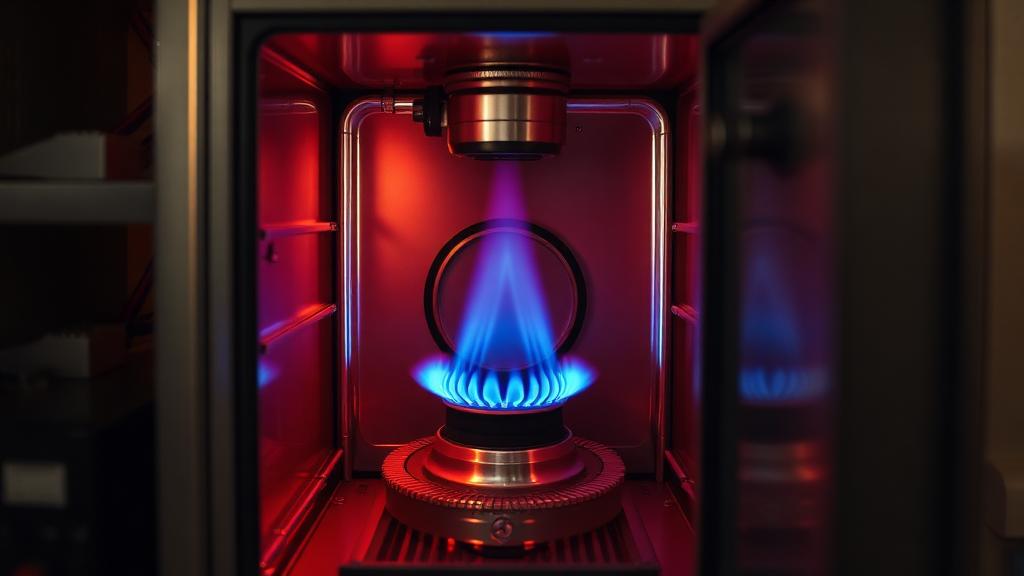
1. Fuel-Burning Appliances
These are the primary culprits when it comes to carbon monoxide in homes. Appliances like gas stoves, water heaters, and furnaces that burn fuel (natural gas, oil, wood, etc.) can emit CO if they're not properly vented or maintained.
- Gas stoves and ovens
- Water heaters (gas-powered)
- Furnaces and boilers
- Dryers (gas-powered)
2. Fireplaces and Wood Stoves
While cozy and inviting, fireplaces and wood stoves can be significant sources of carbon monoxide, especially if the chimney is blocked or the ventilation is poor.
- Blocked or dirty chimneys
- Improperly vented fireplaces
- Wood-burning stoves without proper ventilation
3. Automobile Exhaust
Garages attached to homes can pose a risk if a car is left running inside. The exhaust contains carbon monoxide that can seep into the living spaces.
- Running vehicles in attached garages
- Idling cars near open windows or doors
- Poorly sealed garage-to-home connections
4. Portable Generators and Space Heaters
During power outages, portable generators and kerosene space heaters are often used. However, if these are operated indoors or too close to the house, they can produce dangerous levels of carbon monoxide.
- Portable generators used indoors
- Kerosene or propane space heaters
- Charcoal grills used indoors
5. Tobacco Smoke
Smoking indoors can also contribute to carbon monoxide levels, especially in poorly ventilated areas.
How Carbon Monoxide Leaks Occur
Carbon monoxide leaks can occur due to several reasons, including:
Blocked Vents and Chimneys
If the pathways meant for venting CO are blocked, the gas can accumulate inside the home. Regular inspection and cleaning of vents and chimneys is essential.
Poor Maintenance
Regular maintenance of appliances and heating systems is essential. Faulty equipment or neglected systems can lead to dangerous emissions. Annual professional inspections are recommended.
Improper Installation
Appliances that are not installed correctly can cause CO to leak into the home. Always hire qualified professionals for installation of fuel-burning appliances.
Cracked Heat Exchangers
In heating systems, a cracked heat exchanger can allow carbon monoxide to mix with the air circulating in your home. This is a serious issue that requires immediate professional attention.
Detection and Prevention of Carbon Monoxide
Early detection and prevention are key to keeping your home safe from carbon monoxide. Here's how you can protect your household:
Installing Carbon Monoxide Detectors
Carbon monoxide detectors are essential in every home. They function like smoke detectors and will alert you if CO levels become dangerous. Install detectors on every level of your home, especially near sleeping areas, and test them regularly.
- Install on every level of your home
- Place near sleeping areas
- Test monthly, replace batteries annually
- Replace detectors every 5-7 years
Regular Maintenance of Appliances
Ensure that all fuel-burning appliances are regularly serviced by qualified professionals. This includes checking vents and chimneys for blockages and ensuring all installations are up to code.
- Annual professional inspections
- Clean and inspect chimneys yearly
- Check vents for blockages
- Verify proper installation
Proper Ventilation
Make sure that all appliances, fireplaces, and wood stoves are properly vented to the outside. Never use generators, grills, or any fuel-burning appliances indoors or in enclosed spaces.
- Ensure proper venting to outside
- Never use generators indoors
- Keep vents and chimneys clear
- Maintain adequate airflow
Safe Practices
Avoid running vehicles inside the garage, and never use ovens or stoves to heat your home. If you're using space heaters, ensure they are safe for indoor use and ventilate the area.
- Never run vehicles in attached garages
- Don't use ovens for heating
- Use only approved indoor heaters
- Follow manufacturer guidelines
What to Do If Carbon Monoxide is Detected
If your carbon monoxide detector goes off, or if you suspect a CO leak:
Evacuate Immediately
Get everyone out of the house and into fresh air. Move to a safe location away from the building.
Call Emergency Services
Contact the fire department or local emergency services for assistance. Call 911 immediately.
Do Not Re-enter
Stay out of the house until it has been declared safe by professionals. Wait for official clearance.
Conclusion
Understanding the causes and sources of carbon monoxide in homes is essential for ensuring the safety and well-being of your family. By maintaining your appliances, installing detectors, and practicing safe habits, you can minimize the risks associated with carbon monoxide. Stay informed, stay vigilant, and make sure that your home is a safe haven free from this invisible threat.
Need Professional HVAC Maintenance?
Regular maintenance of your heating and cooling systems is essential for preventing carbon monoxide leaks. Our certified technicians can inspect your HVAC system and ensure it's operating safely.