


Have Ductwork? · Ducted Homes
Central Split System
Your home has ductwork? A central AC + furnace combo is the proven, widely-serviced choice with options at every budget.
Learn More2026 Decision Guide
Not sure which HVAC system is right for you? Answer a few questions about your home, and we'll help you find the perfect fit for your comfort needs and budget.
Interactive Guide
Answer 3 quick questions and we'll recommend the best system for your situation.
Question 1 of 3
Quick Recommendations
Find your best option based on your home's situation. Open any pick to read the full guide.
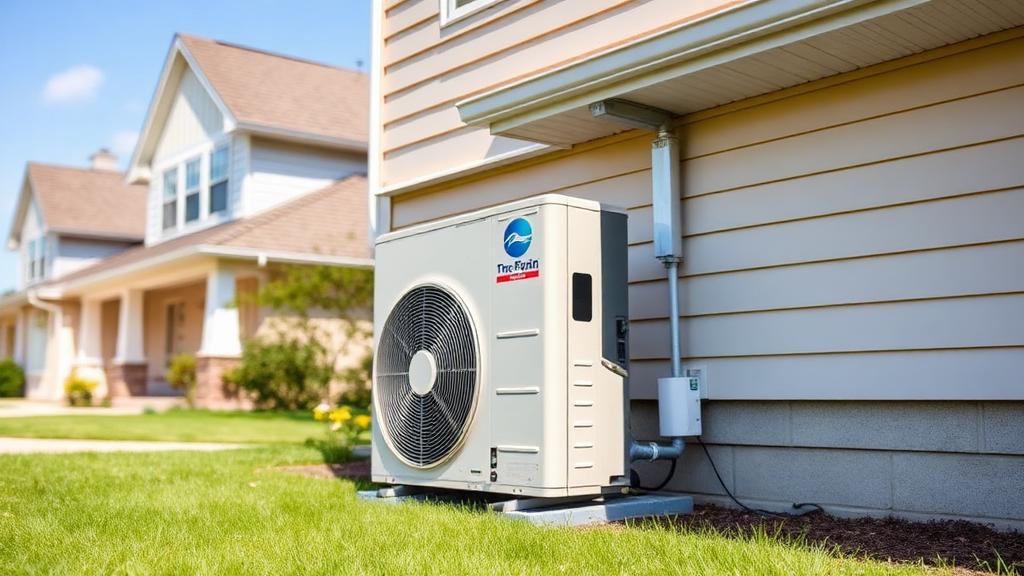
Have Ductwork? · Ducted Homes
Your home has ductwork? A central AC + furnace combo is the proven, widely-serviced choice with options at every budget.
Learn More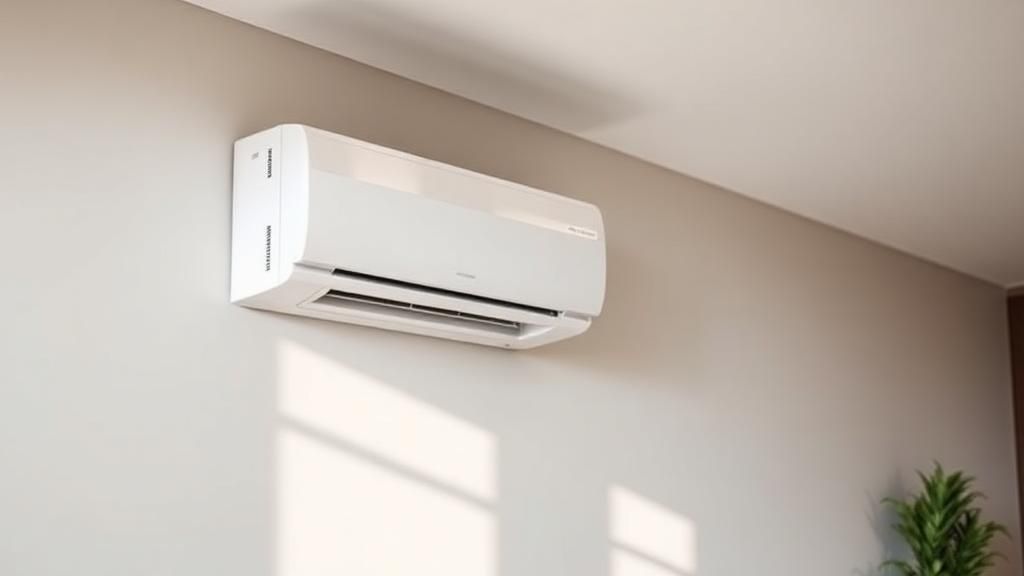
No Ductwork? · Ductless Solution
No ducts? Mini-splits install quickly, deliver zone control, and achieve the highest efficiency ratings available.
Learn More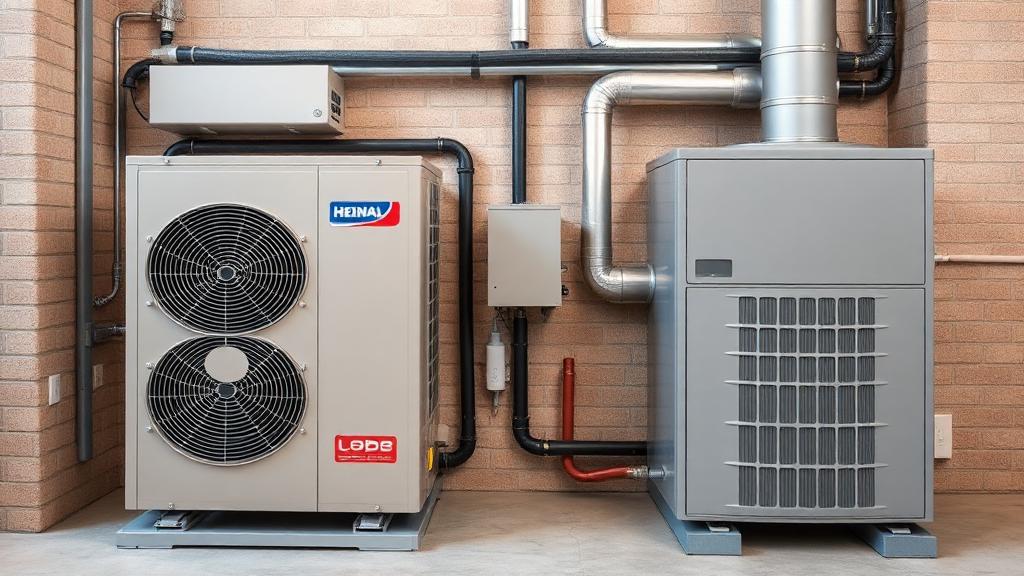
Cold Winters? · Cold Climate Pick
Cold winters? Hybrid systems automatically choose between heat pump efficiency and gas furnace power for optimal comfort and savings.
Learn More
Maximum Savings? · Best Long-Term
Planning to stay 10+ years? Geothermal delivers 400-500% efficiency with operating costs 50-70% lower than any other system.
Learn MoreThese recommendations are based on typical situations. Every home is unique – get a free consultation for personalized advice.
Find Your Match
Select the scenario that matches your home to see the best options.
Your home already has ducts
If your home has central air ducts, these systems leverage that infrastructure for whole-home comfort.
Most Homes with Ductwork
Your home already has ductwork
High Efficiency Available$$$ · 15-25 years
The central air conditioning and furnace combination—commonly called a "split system"—remains America's most popular whole-home heating and cooling solution for good reason. This time-tested configuration pairs an outdoor air conditioning condenser with an indoor gas furnace, sharing a single ductwork network to deliver year-round comfort throughout your entire home. For Long Island homeowners, the split system offers an ideal balance of proven reliability, widespread service availability, and reasonable upfront costs. Unlike newer technologies that may require specialized installers, virtually every HVAC...
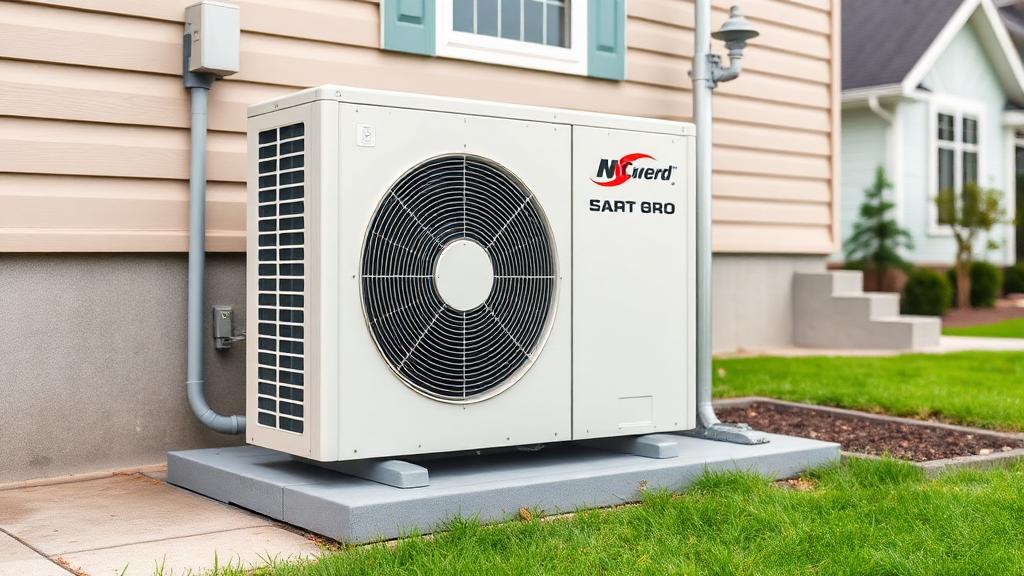
Energy Efficiency & Year-Round Comfort
You want the lowest operating costs
Highly Efficient$$$ · 12-20 years
Heat pumps represent one of the most significant advances in home comfort technology—a single system that provides both heating and cooling while using 2-3 times less energy than traditional methods. By transferring heat rather than generating it through combustion, heat pumps deliver exceptional efficiency that translates directly to lower utility bills and reduced carbon emissions. The technology works like an air conditioner that can run in reverse. In summer, it removes heat from inside your home and releases it outdoors—exactly like...
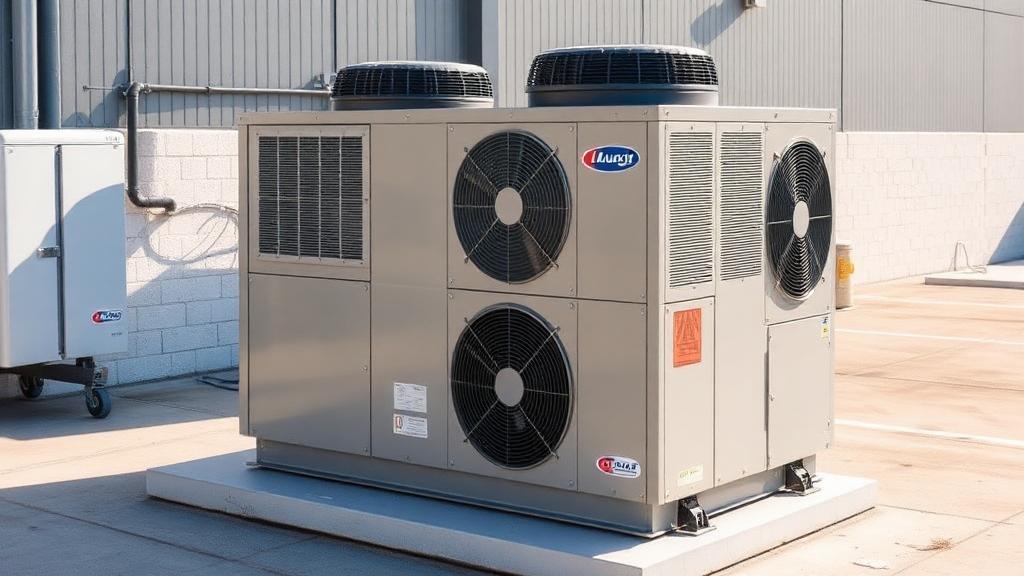
Limited Indoor Space
Your home has no basement or utility closet
Good Efficiency$$$ · 12-18 years
Packaged HVAC units—also called rooftop units (RTUs) or packaged terminal systems—contain all heating and cooling components in a single outdoor cabinet. Unlike split systems that divide equipment between indoor and outdoor locations, packaged units handle everything in one self-contained enclosure, typically installed on a concrete pad beside the home or on a flat roof. These all-in-one systems are particularly popular for manufactured homes, mobile homes, and homes without basements or attic space for indoor components. Commercial buildings frequently use rooftop packaged...
Cold Climate Efficiency
You live in a climate with cold winters
Optimized Efficiency$$$$ · 15-20 years
Hybrid heating systems—also called dual-fuel systems—combine the best of two technologies: an electric heat pump for mild weather efficiency and a gas furnace for bitter cold reliability. This intelligent pairing automatically switches between heating sources based on outdoor temperature, optimizing both comfort and economy throughout Long Island's variable climate. The concept is elegantly simple: heat pumps operate at 200-300% efficiency in mild conditions (extracting free heat from outdoor air), but their performance declines as temperatures drop. Gas furnaces maintain consistent output...
No ducts? No problem
Older homes, additions, and spaces without ducts can still achieve excellent comfort with these ductless options.
Homes Without Ductwork
Your home has NO existing ductwork
Extremely Efficient$$ · 15-25 years
Ductless mini-split systems have revolutionized comfort solutions for homes that lack central ductwork—and increasingly, they're chosen even when ducts exist. By eliminating the duct system entirely, mini-splits avoid the 20-30% energy loss that occurs in typical duct runs through unconditioned attics and crawl spaces. The result is remarkably efficient heating and cooling delivered exactly where you need it. The configuration is elegant: one outdoor compressor connects via small refrigerant lines (requiring only a 3-inch wall penetration) to one or more indoor...
Long-Term Investment
You plan to stay in your home 10+ years
Highest Efficiency$$$$$ · 25-50 years
Geothermal heat pump systems—also called ground-source heat pumps or GeoExchange systems—represent the most energy-efficient heating and cooling technology available today. By leveraging the earth's stable underground temperature (around 50-55°F on Long Island year-round), geothermal systems can deliver 4-6 units of heating or cooling energy for every unit of electricity consumed, translating to operating costs 50-70% lower than conventional systems. Unlike air-source heat pumps that struggle against extreme outdoor temperatures, geothermal systems maintain consistent efficiency regardless of whether it's 95°F or 5°F...
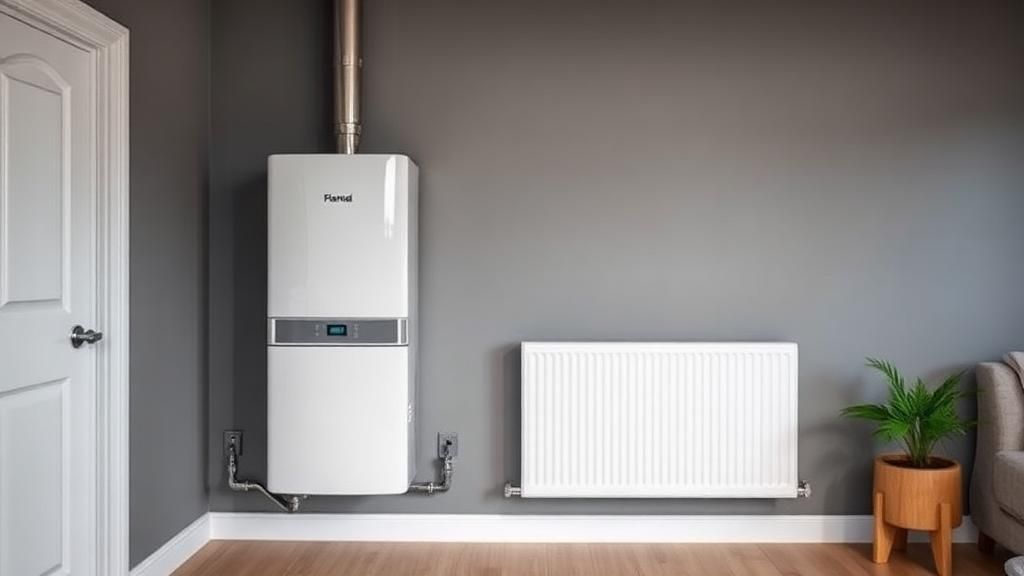
Even, Comfortable Heat
Your home already has radiators/baseboard
High Efficiency$$$ · 15-30 years
Boiler-based heating with radiators or baseboard convectors represents a time-tested approach to home comfort that remains popular in Long Island's older housing stock. Unlike forced-air systems that heat and move air, boilers heat water (or steam) and distribute it through pipes to radiators, baseboards, or radiant floor tubing throughout your home. Many Long Island homes—particularly those built before 1970—feature original boiler systems that have reliably delivered heat for decades. The charm of cast iron radiators in older homes, combined with the...
Lowest Upfront Cost
You're renting and can't install permanent systems
Basic Efficiency$ · 5-15 years
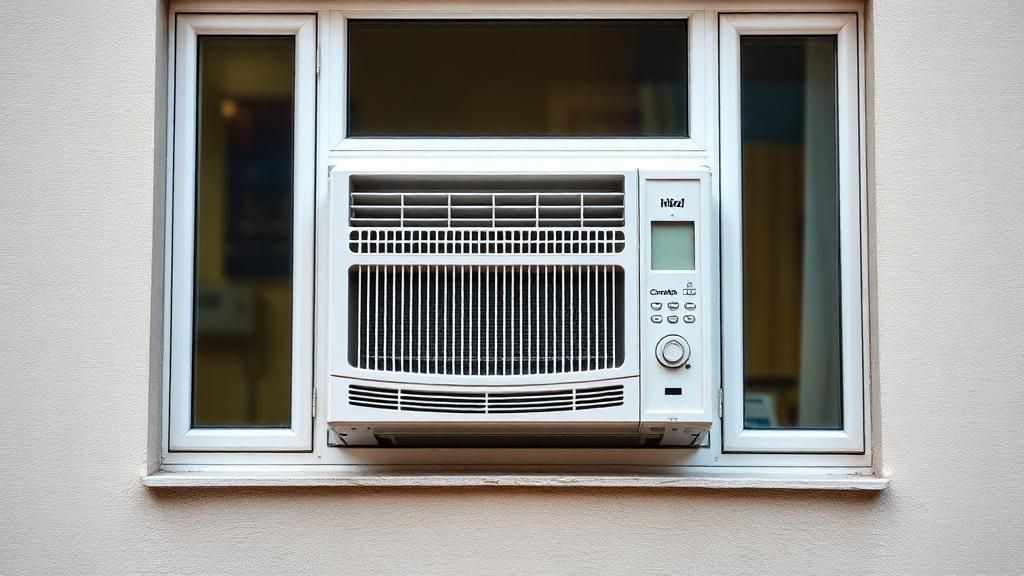
Window air conditioners and portable space heaters offer the lowest barrier to entry for home comfort. With units available at any hardware store for under $200, they're accessible to virtually any budget. For Nassau County renters, this is often the only option. You can't install central air in an apartment, but you can plug in a window unit. Similarly, landlords may provide inadequate heat that tenants supplement with space heaters. The math changes for homeowners. While upfront costs are minimal, operating costs are substantial. A window AC uses 2-3x more electricity than an equivalent central or mini-split system. Electric space heaters, while 100% efficient at converting electricity to heat, cost 3-4x more to operate than gas heating because electricity prices are higher. Safety is another concern. Space heaters cause an estimated 25,000 house fires annually in the U.S. Modern units have tip-over protection and overheat sensors, but the risk remains elevated compared to permanent heating systems. We typically recommend window units and space heaters only as: temporary solutions, supplemental cooling/heating for problem rooms, or budget necessities. For long-term ownership, the 5-7 year energy cost difference usually justifies upgrading to a more efficient system.
Long Island & Northeast winters
Systems that excel when temperatures drop below freezing and reliable heat is your top priority.
Most Homes with Ductwork
Your home already has ductwork
High Efficiency Available$$$ · 15-25 years
The central air conditioning and furnace combination—commonly called a "split system"—remains America's most popular whole-home heating and cooling solution for good reason. This time-tested configuration pairs an outdoor air conditioning condenser with an indoor gas furnace, sharing a single ductwork network to deliver year-round comfort throughout your entire home. For Long Island homeowners, the split system offers an ideal balance of proven reliability, widespread service availability, and reasonable upfront costs. Unlike newer technologies that may require specialized installers, virtually every HVAC...
Long-Term Investment
You plan to stay in your home 10+ years
Highest Efficiency$$$$$ · 25-50 years
Geothermal heat pump systems—also called ground-source heat pumps or GeoExchange systems—represent the most energy-efficient heating and cooling technology available today. By leveraging the earth's stable underground temperature (around 50-55°F on Long Island year-round), geothermal systems can deliver 4-6 units of heating or cooling energy for every unit of electricity consumed, translating to operating costs 50-70% lower than conventional systems. Unlike air-source heat pumps that struggle against extreme outdoor temperatures, geothermal systems maintain consistent efficiency regardless of whether it's 95°F or 5°F...
Cold Climate Efficiency
You live in a climate with cold winters
Optimized Efficiency$$$$ · 15-20 years
Hybrid heating systems—also called dual-fuel systems—combine the best of two technologies: an electric heat pump for mild weather efficiency and a gas furnace for bitter cold reliability. This intelligent pairing automatically switches between heating sources based on outdoor temperature, optimizing both comfort and economy throughout Long Island's variable climate. The concept is elegantly simple: heat pumps operate at 200-300% efficiency in mild conditions (extracting free heat from outdoor air), but their performance declines as temperatures drop. Gas furnaces maintain consistent output...
Even, Comfortable Heat
Your home already has radiators/baseboard
High Efficiency$$$ · 15-30 years
Boiler-based heating with radiators or baseboard convectors represents a time-tested approach to home comfort that remains popular in Long Island's older housing stock. Unlike forced-air systems that heat and move air, boilers heat water (or steam) and distribute it through pipes to radiators, baseboards, or radiant floor tubing throughout your home. Many Long Island homes—particularly those built before 1970—feature original boiler systems that have reliably delivered heat for decades. The charm of cast iron radiators in older homes, combined with the...
Lowest operating costs
Want the lowest energy bills and smallest carbon footprint? These systems deliver the highest efficiency ratings.
Energy Efficiency & Year-Round Comfort
You want the lowest operating costs
Highly Efficient$$$ · 12-20 years
Heat pumps represent one of the most significant advances in home comfort technology—a single system that provides both heating and cooling while using 2-3 times less energy than traditional methods. By transferring heat rather than generating it through combustion, heat pumps deliver exceptional efficiency that translates directly to lower utility bills and reduced carbon emissions. The technology works like an air conditioner that can run in reverse. In summer, it removes heat from inside your home and releases it outdoors—exactly like...
Homes Without Ductwork
Your home has NO existing ductwork
Extremely Efficient$$ · 15-25 years
Ductless mini-split systems have revolutionized comfort solutions for homes that lack central ductwork—and increasingly, they're chosen even when ducts exist. By eliminating the duct system entirely, mini-splits avoid the 20-30% energy loss that occurs in typical duct runs through unconditioned attics and crawl spaces. The result is remarkably efficient heating and cooling delivered exactly where you need it. The configuration is elegant: one outdoor compressor connects via small refrigerant lines (requiring only a 3-inch wall penetration) to one or more indoor...
Long-Term Investment
You plan to stay in your home 10+ years
Highest Efficiency$$$$$ · 25-50 years
Geothermal heat pump systems—also called ground-source heat pumps or GeoExchange systems—represent the most energy-efficient heating and cooling technology available today. By leveraging the earth's stable underground temperature (around 50-55°F on Long Island year-round), geothermal systems can deliver 4-6 units of heating or cooling energy for every unit of electricity consumed, translating to operating costs 50-70% lower than conventional systems. Unlike air-source heat pumps that struggle against extreme outdoor temperatures, geothermal systems maintain consistent efficiency regardless of whether it's 95°F or 5°F...
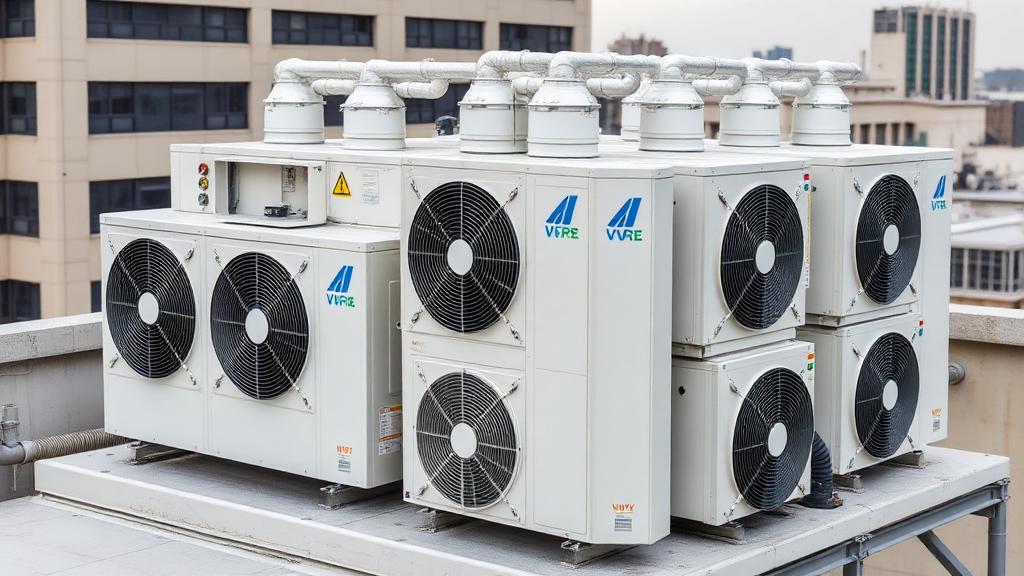
Large Homes & Commercial
Your home is 4,000+ square feet
Commercial-Grade Efficiency$$$$$ · 15-25 years
Variable Refrigerant Flow (VRF) systems—also called Variable Refrigerant Volume (VRV) in Daikin's terminology—represent the pinnacle of zoned comfort technology. Originally developed in Japan for commercial buildings, VRF technology has evolved to serve high-end residential applications where precise temperature control, quiet operation, and maximum efficiency are paramount. A VRF system connects a single outdoor condensing unit to multiple indoor units throughout the home, each individually controlled to maintain its zone at the desired temperature. Unlike conventional multi-zone systems that run at fixed...
Lower upfront investment
When budget is tight, these options provide comfort without breaking the bank upfront.
Most Homes with Ductwork
Your home already has ductwork
High Efficiency Available$$$ · 15-25 years
The central air conditioning and furnace combination—commonly called a "split system"—remains America's most popular whole-home heating and cooling solution for good reason. This time-tested configuration pairs an outdoor air conditioning condenser with an indoor gas furnace, sharing a single ductwork network to deliver year-round comfort throughout your entire home. For Long Island homeowners, the split system offers an ideal balance of proven reliability, widespread service availability, and reasonable upfront costs. Unlike newer technologies that may require specialized installers, virtually every HVAC...
Homes Without Ductwork
Your home has NO existing ductwork
Extremely Efficient$$ · 15-25 years
Ductless mini-split systems have revolutionized comfort solutions for homes that lack central ductwork—and increasingly, they're chosen even when ducts exist. By eliminating the duct system entirely, mini-splits avoid the 20-30% energy loss that occurs in typical duct runs through unconditioned attics and crawl spaces. The result is remarkably efficient heating and cooling delivered exactly where you need it. The configuration is elegant: one outdoor compressor connects via small refrigerant lines (requiring only a 3-inch wall penetration) to one or more indoor...
Limited Indoor Space
Your home has no basement or utility closet
Good Efficiency$$$ · 12-18 years
Packaged HVAC units—also called rooftop units (RTUs) or packaged terminal systems—contain all heating and cooling components in a single outdoor cabinet. Unlike split systems that divide equipment between indoor and outdoor locations, packaged units handle everything in one self-contained enclosure, typically installed on a concrete pad beside the home or on a flat roof. These all-in-one systems are particularly popular for manufactured homes, mobile homes, and homes without basements or attic space for indoor components. Commercial buildings frequently use rooftop packaged...
Lowest Upfront Cost
You're renting and can't install permanent systems
Basic Efficiency$ · 5-15 years
Window air conditioners and portable space heaters offer the lowest barrier to entry for home comfort. With units available at any hardware store for under $200, they're accessible to virtually any budget. For Nassau County renters, this is often the only option. You can't install central air in an apartment, but you can plug in a window unit. Similarly, landlords may provide inadequate heat that tenants supplement with space heaters. The math changes for homeowners. While upfront costs are minimal, operating costs are substantial. A window AC uses 2-3x more electricity than an equivalent central or mini-split system. Electric space heaters, while 100% efficient at converting electricity to heat, cost 3-4x more to operate than gas heating because electricity prices are higher. Safety is another concern. Space heaters cause an estimated 25,000 house fires annually in the U.S. Modern units have tip-over protection and overheat sensors, but the risk remains elevated compared to permanent heating systems. We typically recommend window units and space heaters only as: temporary solutions, supplemental cooling/heating for problem rooms, or budget necessities. For long-term ownership, the 5-7 year energy cost difference usually justifies upgrading to a more efficient system.
Quick Comparison
Use the column headers to sort. Each system name opens its full guide.
| Ducts? | Heats | Cools | Efficiency | Best For | |||
|---|---|---|---|---|---|---|---|
| Boiler System |
Not Needed | High Efficiency | $$$ | 15-30 years | Even, Comfortable Heat | ||
| Central Split System |
Required | High Efficiency Available | $$$ | 15-25 years | Most Homes with Ductwork | ||
| Geothermal |
Required | Highest Efficiency | $$$$$ | 25-50 years | Long-Term Investment | ||
| Heat Pump |
Required | Highly Efficient | $$$ | 12-20 years | Energy Efficiency & Year-Round Comfort | ||
| Hybrid System |
Required | Optimized Efficiency | $$$$ | 15-20 years | Cold Climate Efficiency | ||
| Mini-Split |
Not Needed | Extremely Efficient | $$ | 15-25 years | Homes Without Ductwork | ||
| Packaged Unit |
Required | Good Efficiency | $$$ | 12-18 years | Limited Indoor Space | ||
| Swamp Cooler | Not Needed | Energy Efficient (in dry climates) | $ | 10-15 years | Dry Climates Only | ||
| VRF System |
Not Needed | Commercial-Grade Efficiency | $$$$$ | 15-25 years | Large Homes & Commercial | ||
| Window Units |
Not Needed | Basic Efficiency | $ | 5-15 years | Lowest Upfront Cost |
Regional recommendations based on typical weather patterns and energy costs.
Cold winters, hot humid summers
Nassau County needs robust heating AND cooling. Hybrid systems optimize between heat pump efficiency and gas furnace power. Central splits remain popular for homes with ductwork.
Mild winters, hot humid summers
Minimal heating needs make heat pumps ideal – they handle the brief cool periods efficiently while providing excellent AC. High humidity requires dehumidification capabilities.
Very cold winters, warm summers
Extreme cold demands powerful heating. Gas furnaces provide reliable warmth when temperatures drop well below zero. Boilers remain popular in older homes.
Hot dry summers, mild winters
Low humidity makes evaporative coolers viable – at 75% less energy than AC. Heat pumps handle the mild heating needs efficiently. AC is necessary for the hottest months.
Mild year-round, rainy
Moderate temperatures are perfect for heat pump efficiency. Many homes lack AC entirely – but heat pumps provide both heating and cooling as summers warm.
Cold winters, warm dry summers, high altitude
Cold winters need reliable heating. Dry summers allow evaporative cooling in many areas. High altitude affects HVAC sizing – equipment should be derated 2-4% per 1,000 ft elevation.
Follow these steps to find the perfect heating and cooling solution for your home.
Check for existing ductwork, measure square footage, and note any problem areas.
Nassau County needs robust heating AND cooling. Heat pumps or hybrid systems excel here.
Higher SEER2/AFUE usually means lower operating costs. Whether a premium system pays back depends on your usage, fuel prices and the installed price.
Factor equipment, installation, 15-year operating costs, and any utility or state program you have confirmed in writing. The federal 25C credit ended for property placed in service after December 31, 2025.
A Manual J load calculation ensures your system isn't over or undersized.
Get our free checklist to compare systems, ask the right questions, and avoid common mistakes.
Get Free Quote + ChecklistCommon Questions
Expert answers to the most common questions about heating and cooling systems.
HVAC stands for Heating, Ventilation, and Air Conditioning. It refers to the technology and systems used to regulate temperature, humidity, and air quality in buildings. A complete HVAC system typically includes equipment for heating (furnace, heat pump, or boiler), cooling (air conditioner or heat pump), and ventilation (ductwork, fans, and filters).
The main residential HVAC types are: Split systems (separate indoor/outdoor units sharing ductwork), Heat pumps (one unit that heats AND cools), Ductless mini-splits (no ductwork needed), Packaged units (all components in one outdoor cabinet), Hybrid/dual-fuel systems (heat pump + gas furnace backup), Boilers with radiators (hydronic heating), and Geothermal systems (ground-source heat pumps).
Look for air vents (registers) in floors, walls, or ceilings throughout your home. If you have a furnace or central AC, you almost certainly have ductwork. Homes with only radiators, baseboard heaters, or window units typically don't have ductwork. You can also check your basement, attic, or crawl space for metal or flexible ducts running between rooms.
HVAC system costs vary widely: Window units ($200-$500), Mini-splits ($3,000-$8,000 per zone), Central AC + furnace ($6,000-$14,000), Heat pumps ($5,500-$12,000), Hybrid systems ($8,000-$16,000), and Geothermal ($18,000-$45,000+). These prices include installation. Your actual cost depends on home size, efficiency level, and existing infrastructure.
Key cost factors include: System size (tonnage for your home's square footage), Efficiency rating (higher SEER2/AFUE = higher cost but lower bills), Whether you have existing ductwork, Local labor rates, Brand and warranty level, Add-ons like zoning, smart thermostats, or air quality upgrades. Always get multiple quotes and compare total installed costs, not just equipment prices.
The federal Energy Efficient Home Improvement Credit under Section 25C ended for property placed in service after December 31, 2025. The federal Residential Clean Energy Credit formerly marketed for geothermal projects also ended for expenditures after that date. Utility, state, and manufacturer programs may still be available, but eligibility, funding, qualifying equipment, and amounts vary. Get written confirmation from the program administrator before signing a contract or calculating net cost.
SEER (Seasonal Energy Efficiency Ratio) measures cooling efficiency – how much cooling output per unit of electricity. Higher SEER = lower electric bills. Current minimum is 14-15 SEER2 depending on region. Premium units reach 26+ SEER2. For context: upgrading from 10 SEER to 20 SEER cuts cooling energy use in half. SEER2 is the current testing standard as of 2023.
AFUE (Annual Fuel Utilization Efficiency) measures heating efficiency for gas furnaces and boilers. It represents the percentage of fuel converted to usable heat. A 95% AFUE furnace converts 95 cents of every dollar spent on gas into heat. Minimum standard is 80% AFUE. High-efficiency models reach 98%+. In cold climates like Long Island, we recommend 90%+ AFUE for significant long-term savings.
Geothermal heat pumps are the most efficient (400-500% efficiency), followed by ductless mini-splits (up to 42 SEER2), air-source heat pumps (up to 24 SEER2), and high-efficiency furnaces (98% AFUE). However, "most efficient" depends on your situation. A mini-split is more efficient than central AC, but central AC may make sense if you already have ductwork.
Installation time varies by system type: Window AC (minutes, DIY), Mini-split single zone (1 day), Central AC + furnace replacement (1-3 days), New ductwork installation (3-5 days additional), Geothermal system (2-4 weeks including ground loop). Most standard replacements in existing homes complete in 1-2 days.
Manual J is the industry-standard method for sizing HVAC equipment. It calculates exactly how much heating and cooling your specific home needs based on square footage, insulation levels, window sizes/orientations, occupancy, and local climate. Proper sizing is critical – oversized systems waste energy and create comfort problems; undersized systems can't keep up. Always insist on a Manual J calculation.
We recommend professional maintenance twice yearly – once in spring (for cooling) and once in fall (for heating). This includes cleaning coils, checking refrigerant, testing safety controls, lubricating motors, and ensuring efficient operation. DIY maintenance (filter changes, keeping outdoor units clear) should happen every 1-3 months depending on filter type and usage.
Filter change frequency depends on filter type and conditions: 1" fiberglass filters (every 30 days), 1" pleated filters (every 60-90 days), 4-5" media filters (every 6-12 months), Electronic/HEPA filters (follow manufacturer guidelines). Change more frequently if you have pets, allergies, or dusty conditions. A dirty filter restricts airflow, reduces efficiency, and can damage equipment.
Average lifespan by system type: Window units (5-15 years), Central AC (15-20 years), Furnaces (15-25 years), Boilers (20-30 years), Heat pumps (12-20 years), Mini-splits (15-25 years), Geothermal (25+ years indoor, 50+ years ground loop). Lifespan depends heavily on maintenance, usage, and installation quality. Well-maintained systems often exceed these averages.
It depends on your climate and energy costs. Heat pumps are 2-3x more efficient and handle both heating AND cooling, making them ideal for mild climates and all-electric homes. Gas furnaces provide more powerful heat in extreme cold and may cost less to operate where gas is cheap. For Nassau County, we often recommend hybrid systems (heat pump + gas backup) for the best of both worlds.
Choose central AC if you have existing ductwork and want whole-home cooling from one system. Choose mini-splits if you lack ductwork, want zone control, are adding to specific rooms, or want the highest efficiency. Mini-splits cost more per zone but eliminate duct losses. For whole-home coverage without ducts, mini-splits often cost less than installing new ductwork for central AC.
For the right situation, geothermal can make sense because of its long equipment life and potentially lower operating costs. Actual payback depends on the installed price, site geology, energy rates, maintenance, and verified incentives; it should not be presented as a guaranteed 5-10 year result. It is most suitable for new construction, long-term homeowners, large homes with high energy usage, and sites with workable ground-loop conditions. The former federal geothermal credit ended for expenditures after December 31, 2025; verify any current utility, state, or manufacturer program in writing.
Our recommendations draw on manufacturer specifications, typical operating-cost factors, and long-term reliability considerations for Long Island homes. We focus on helping you find the right system for YOUR situation – not crowning a single "winner."
Related Guides
Get a free, no-obligation quote from Nassau County's trusted HVAC experts.