
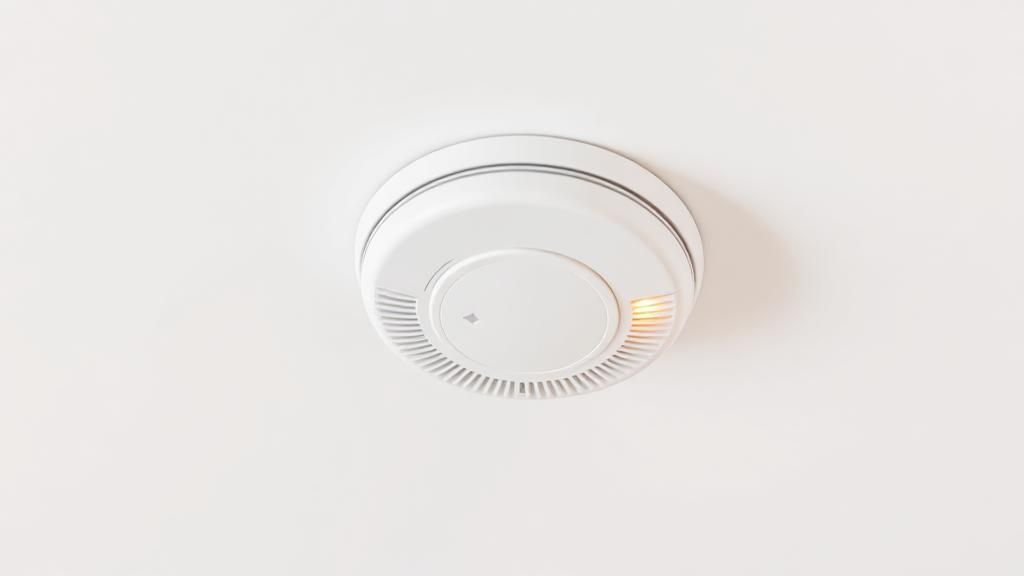
Carbon monoxide (CO) is often called the "silent killer" because it is a colorless, odorless gas that can be extremely dangerous. Understanding the risks of carbon monoxide and its sources in your home is crucial for ensuring the safety of your family. In this article, we'll explore the common sources of carbon monoxide in homes, how it can enter your living space, and what steps you can take to detect and prevent its presence.
Carbon monoxide is produced when fuel is burned. This includes natural gas, gasoline, propane, oil, wood, and charcoal. When appliances or engines burn these fuels, they emit carbon monoxide. If these appliances are not properly ventilated, CO can accumulate in enclosed spaces, posing significant health risks.
Symptoms of CO Poisoning
Exposure to carbon monoxide can lead to headaches, dizziness, weakness, nausea, vomiting, chest pain, and confusion. Prolonged exposure can lead to loss of consciousness and even death. If you suspect CO exposure, leave the area immediately and seek fresh air.
Major Sources of Carbon Monoxide in the Home
Carbon monoxide can come from several different sources within your home. Here are some of the most common:
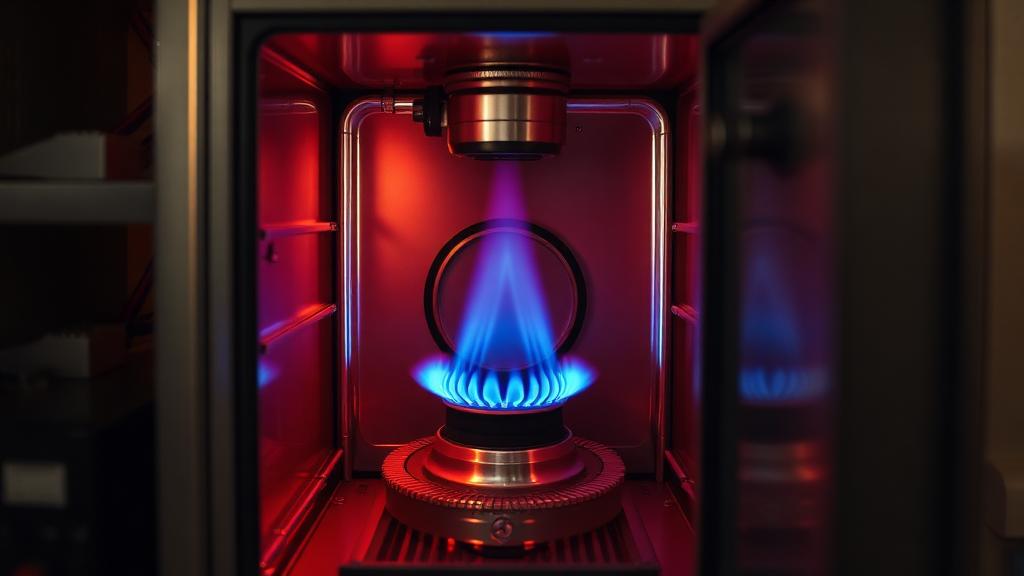
Gas-Powered Appliances
Many homes use gas-powered appliances, such as stoves, water heaters, and furnaces. If these appliances are not properly maintained or vented, they can emit dangerous levels of carbon monoxide.
Fireplaces and Wood-Burning Stoves
Fireplaces and wood-burning stoves are cozy and provide warmth during the colder months. However, if the chimney is blocked or not vented properly, carbon monoxide can seep into your home.
Vehicles
Running vehicles in an attached garage can allow carbon monoxide to enter the home. Even if the garage door is open, CO can easily find its way into living spaces.
Portable Generators and Grills
Using portable generators or grills indoors or in enclosed spaces like garages can lead to carbon monoxide buildup. Always use these devices in well-ventilated areas.
Faulty Heating Systems
Poorly maintained or faulty heating systems are a significant source of carbon monoxide. Regular maintenance can help prevent leaks and ensure that heating systems operate safely.
How Carbon Monoxide Enters the Home
Carbon monoxide can enter your home in several ways. Understanding these can help you identify potential risks and take preventive measures.
Blocked Chimneys and Flues
A blocked chimney or flue can prevent carbon monoxide from escaping your home. Ensure they are clear and regularly inspected to avoid this common issue.
Ventilation Issues
Poor ventilation in areas where fuel-burning appliances are used can lead to carbon monoxide accumulation. Always ensure proper ventilation when using these appliances.
Leaking Appliances
Appliances that are not properly sealed or maintained can leak carbon monoxide. Regular inspections and maintenance can help prevent these leaks.
Detecting Carbon Monoxide in Your Home
The first step in preventing carbon monoxide poisoning is detection. Here's how you can detect CO in your home:
CO Detectors
Install carbon monoxide detectors on every level of your home.
Regular Inspections
Have appliances and heating systems inspected annually by professionals.
Know Symptoms
Recognize CO poisoning symptoms and act quickly if suspected.
Preventing Carbon Monoxide Buildup
Prevention is key when it comes to carbon monoxide safety. Here are some tips to help prevent CO buildup in your home:
-
Regular Appliance Maintenance: Keep all fuel-burning appliances in good working order and have them inspected annually.
-
Ensure Proper Ventilation: Make sure all appliances are properly vented and never block ventilation ducts or flues.
-
Safe Use of Generators and Grills: Never use generators or grills indoors. Only operate them outdoors in well-ventilated areas.
-
Careful Use of Vehicles: Do not run vehicles inside garages, even with the door open.
Conclusion
Understanding the sources and risks of carbon monoxide in your home is essential for keeping your family safe. By identifying potential CO emission sources and taking preventive measures, you can reduce the risk of carbon monoxide poisoning. Regular maintenance, proper ventilation, and the use of carbon monoxide detectors are key components in ensuring a safe living environment. Stay informed, stay vigilant, and protect your home from the silent threat of carbon monoxide.
Need Professional Help?
If you're concerned about carbon monoxide in your home or need your heating system inspected, our certified HVAC technicians are here to help. We offer comprehensive safety inspections and maintenance services throughout Nassau County.