
HVAC Tenant Comfort Standards Explained for 2026
Discover HVAC tenant comfort standards explained for 2026. Learn legal requirements for landlords to ensure tenant health and safety.
HVAC Tenant Comfort Standards Explained for 2026
HVAC tenant comfort standards define the minimum thermal and air quality conditions landlords must legally maintain inside rental properties to protect tenant health and safety. These standards draw from two sources: local housing codes that set hard legal floors, and industry benchmarks like ANSI/ASHRAE Standard 55 and ASHRAE 62.1 that define what genuinely comfortable indoor environments look like. Knowing the difference between the two is the most practical thing a tenant or property manager can do in 2026, especially as California’s SB 655 now treats excessive indoor heat as a direct habitability violation.
What are the legal minimum HVAC comfort requirements for rental properties?
Legal minimum HVAC comfort requirements set the floor for what landlords must provide, and they vary significantly by location. Boston requires landlords to maintain at least 68°F during the day and 64°F at night during the heating season. California mandates 68–70°F for habitability, depending on whether the building is new construction or existing stock.
Cooling obligations are newer legal territory. California’s SB 655 now recognizes excessive heat as a habitability violation, requiring landlords to take reasonable steps after receiving written tenant notice. There is no fixed maximum temperature written into the law, but landlords must respond within a reasonable time and may need to provide cooling equipment or improve ventilation.
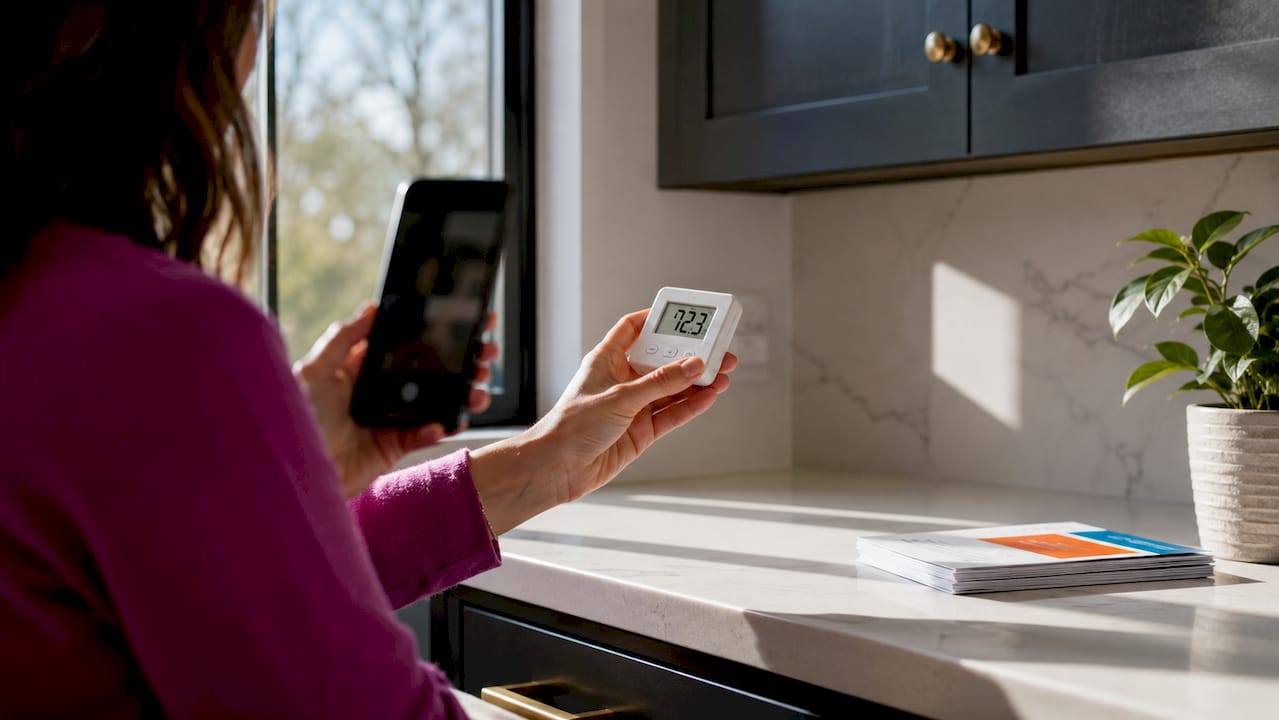
Measurement matters more than most people realize. Temperature must be measured at 3 feet above the floor and 2 feet from exterior walls in habitable rooms. A thermostat reading alone does not satisfy legal compliance. Inspectors and attorneys know this distinction, and tenants filing habitability claims should document conditions using this protocol.
Non-compliance carries real financial consequences. In California, failure to meet heating requirements can result in damages ranging from $100 to $5,000 per instance if the landlord does not correct the problem within 35 days. That exposure makes proactive compliance far cheaper than reactive repairs.
Key legal protections for tenants include:
-
Written notice requirement: Submit heating or cooling complaints in writing to create a legal record.
-
Retaliation protection: Landlords cannot retaliate against tenants who assert heat-related habitability rights.
-
Rent withholding: Many jurisdictions allow tenants to withhold rent or pursue repair-and-deduct remedies when HVAC conditions fall below legal minimums.
-
Code enforcement: Tenants can file complaints with local housing authorities, triggering formal inspections.
Pro Tip: Take timestamped photos and use a digital thermometer to document room temperatures at the correct measurement height before filing any habitability complaint. This evidence is far stronger than a written description alone.
How do ASHRAE 55 and 62.1 define comfort beyond legal minimums?
ANSI/ASHRAE Standard 55 defines thermal comfort as conditions where at least 80% of occupants are satisfied. The standard sets a comfort zone of 71.6–78.8°F with relative humidity between 30% and 60%. These numbers go well beyond what most local housing codes require, and that gap is where most tenant dissatisfaction lives.
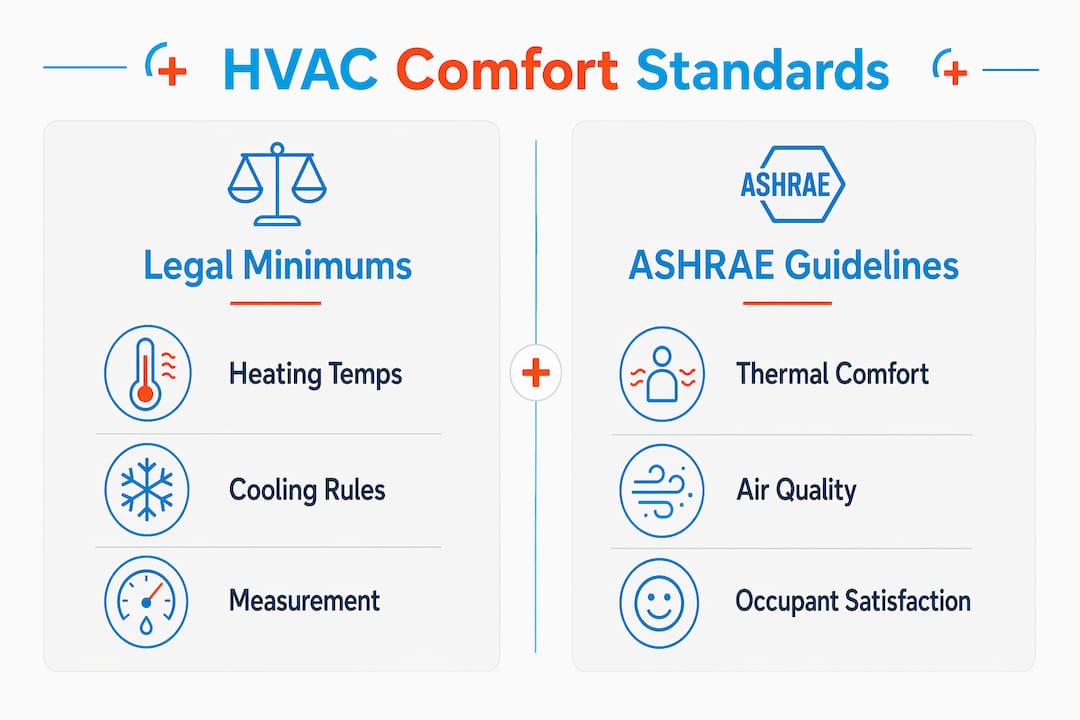
ASHRAE 62.1 addresses ventilation and indoor air quality. Its goal is to keep indoor CO2 levels below approximately 1,000 ppm to prevent cognitive decline and fatigue. Research confirms that CO2 above 1,000 ppm reduces cognitive performance by up to 15%. That is a meaningful impact on daily life, not just a technical threshold.
One concept worth understanding is the Predicted Percentage Dissatisfied, or PPD. Even when a space sits squarely within ASHRAE 55’s comfort zone, thermal comfort involves a psychological balance that means some occupants will still feel too warm or too cold. ASHRAE accepts up to 20% dissatisfaction as unavoidable. This is why a landlord who hits 72°F on the thermostat may still receive comfort complaints.
The table below shows how legal minimums and ASHRAE benchmarks compare across key parameters:
| Parameter | Legal minimum (typical) | ASHRAE optimal target |
|---|---|---|
| Heating temperature | 68°F (Boston/California) | 71.6–78.8°F |
| Cooling obligation | No fixed maximum | Below 78.8°F in comfort zone |
| Relative humidity | Not typically regulated | 30–60% |
| Indoor CO2 | Not typically regulated | Below 1,000 ppm |
| Ventilation verification | Not typically required | Weekly airflow checks |
Thermal comfort also depends on six physical factors: air temperature, radiant temperature, humidity, air speed, occupant metabolic rate, and clothing insulation. A room at 72°F with a cold drafty window can feel far colder than the thermostat suggests. Property managers who understand this avoid a lot of unnecessary back-and-forth with tenants.
Pro Tip: Install a low-cost indoor air quality monitor that tracks both CO2 and humidity. Readings above 1,000 ppm CO2 or below 30% humidity are early warning signs that your HVAC system needs attention, even if the temperature feels fine.
What practical steps ensure HVAC comfort standards are met?
Maintaining HVAC comfort standards is not a one-time setup. It requires a consistent maintenance schedule, clear documentation, and a fast response process when tenants report problems.
-
Follow ASHRAE 180 maintenance protocols. ASHRAE Standard 180 outlines minimum HVAC maintenance practices covering filter replacement, coil cleaning, airflow verification, and refrigerant checks. These tasks directly affect thermal comfort and indoor air quality. Skipping them creates both comfort failures and compliance gaps.
-
Document every inspection and repair. Undocumented maintenance is considered incomplete in compliance audits. Keep a written log that includes the date, technician name, work performed, and any follow-up actions. This record protects landlords in disputes and demonstrates good faith to inspectors.
-
Deploy IoT monitoring for continuous data. Modern HVAC IoT sensors track CO2, humidity, and temperature in real time, enabling property managers to catch problems before tenants notice them. Systems like these also generate automatic logs, which satisfy documentation requirements without manual effort.
-
Respond to complaints within a reasonable timeframe. California’s SB 655 uses “reasonable time” as the legal standard for landlord response to heat complaints. In practice, that means same-day acknowledgment and a repair appointment within 24–72 hours for active habitability issues. Delays beyond that window create legal exposure.
-
Check the normal indoor temperature range for your region. Comfort targets shift by season and climate. A property manager in Long Island has different baseline expectations than one in Phoenix. Knowing your regional norms helps you set realistic thermostat policies and respond to complaints with context.
-
Optimize system efficiency without sacrificing comfort. Advanced building management systems help landlords maintain proof of consistent environmental performance while reducing energy waste. Programmable controls and zoning systems let you maintain comfort in occupied rooms without conditioning empty ones.
Tenants can support this process too. Reporting problems in writing, keeping windows closed during extreme weather, and replacing batteries in smart thermostats are small actions that prevent larger failures.
How do local climate and building factors affect HVAC standards?
Geography shapes which HVAC comfort standards matter most. Boston-area landlords focus almost entirely on heating minimums during a six-month heating season. California landlords now face both heating requirements and the new SB 655 cooling obligations. Local climate and building characteristics determine which standards take priority and how hard they are to meet.
Building age and construction type create additional variables. Older buildings with poor insulation lose heat faster, making it harder to maintain 68°F without oversized or inefficient equipment. Buildings without ductwork, common in older Long Island housing stock, rely on ductless mini-split systems or window units that behave differently than central HVAC. Understanding your building’s physical limits is the first step toward realistic comfort management. You can explore ductless heating options as an alternative for properties where central duct installation is impractical.
Certain tenant groups require additional consideration beyond standard thresholds:
-
Elderly tenants are more vulnerable to both heat and cold, with health risks appearing at temperatures that younger adults tolerate without difficulty.
-
Infants and young children cannot regulate body temperature as effectively, making humidity and temperature stability especially important.
-
Tenants with respiratory conditions are more sensitive to CO2 buildup and humidity extremes, making ASHRAE 62.1 ventilation targets directly relevant to their health.
-
Tenants with mobility limitations may not be able to open windows or adjust thermostats independently, placing more responsibility on the landlord to maintain stable conditions.
Where air conditioning is not practical or permitted, landlords can use shading, cross-ventilation design, and reflective roofing to reduce indoor heat load. These strategies do not replace mechanical cooling but can meaningfully reduce peak indoor temperatures during heat events.
Key Takeaways
HVAC tenant comfort standards require meeting both legal minimums and ASHRAE benchmarks to protect tenant health and prevent costly disputes.
| Point | Details |
|---|---|
| Legal minimums vary by location | Boston requires 68°F day/64°F night; California mandates 68–70°F with new SB 655 cooling obligations. |
| ASHRAE 55 sets the comfort target | The optimal comfort zone is 71.6–78.8°F with 30–60% humidity, well above most legal floors. |
| Measurement protocol matters | Temperature must be taken at 3 feet above the floor, not just at the thermostat, for legal compliance. |
| Documentation prevents disputes | ASHRAE 180 requires written maintenance logs; undocumented work does not count in compliance audits. |
| Climate and building type shift priorities | Older buildings and vulnerable tenant groups require more proactive HVAC management than standard codes demand. |
Why legal compliance and real comfort are not the same thing
I have seen this play out dozens of times. A landlord hits 68°F, checks the box, and genuinely believes the job is done. The tenant is still miserable. The thermostat is not lying, but the radiant heat from a poorly insulated wall or the dry winter air at 20% humidity is making the space feel far worse than the number suggests.
The uncomfortable truth about HVAC tenant comfort standards is that legal minimums were written to prevent harm, not to create comfort. They are the floor, not the ceiling. A property manager who treats them as the goal will spend more time managing complaints than one who targets ASHRAE 55’s 80% satisfaction threshold from the start.
The other mistake I see constantly is treating HVAC maintenance as an expense to minimize rather than a liability to manage. One skipped filter change or ignored refrigerant leak can cascade into a habitability complaint, a failed inspection, and a repair bill that dwarfs years of preventive maintenance costs. The 2026 regulatory environment, especially with SB 655 in California, makes this calculus even clearer.
Transparent communication with tenants also changes outcomes. When tenants understand what the system can and cannot do, and know that you will respond quickly when something goes wrong, complaints drop. Most people are not trying to create problems. They just want to feel comfortable and know someone is paying attention.
— Blake
How Hometsair helps property managers and tenants stay comfortable
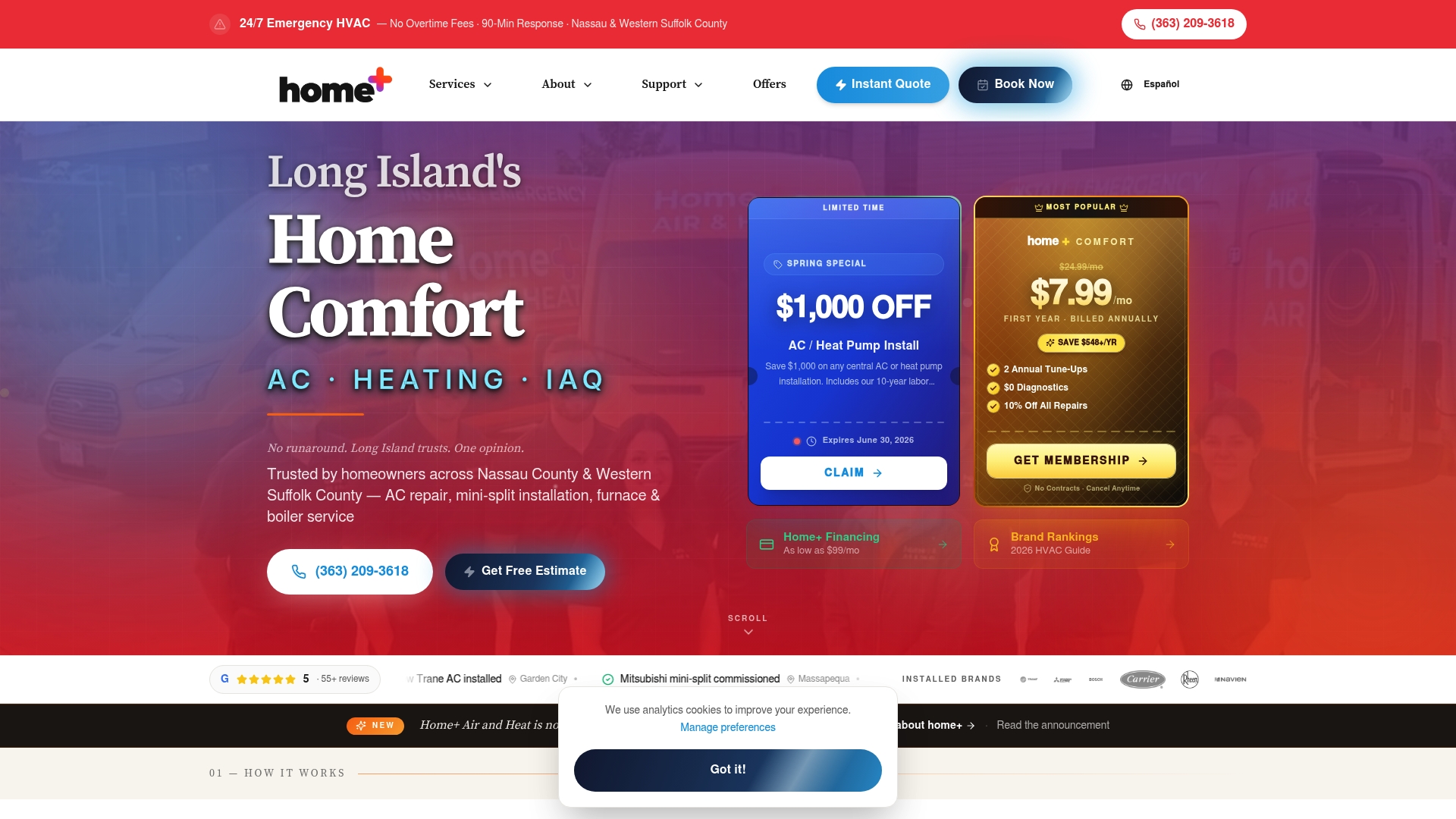
Hometsair serves Long Island landlords and tenants who need HVAC problems solved fast, without surprise fees or waiting days for a technician. Every Hometsair technician is NATE-certified and trained to handle the specific challenges of coastal Long Island properties, including salt-air corrosion and buildings without central ductwork. The team reports a 90% first-visit fix rate, which means most comfort issues get resolved in a single appointment.
Whether you need same-day HVAC service for an active habitability complaint or a scheduled maintenance plan to stay ahead of ASHRAE 180 requirements, Hometsair has the right solution. Current promotions include $1,000 off AC installations, making this a practical time to upgrade aging equipment before summer heat creates a compliance problem. If your system is making unusual sounds, check out what those noises mean before a small issue becomes a tenant dispute.
FAQ
What temperature must a landlord legally maintain in a rental?
Most jurisdictions require landlords to maintain at least 68°F during daytime hours in the heating season. California mandates 68–70°F depending on building type, and Boston requires 68°F by day and 64°F at night.
Is a landlord required to provide air conditioning?
Traditional housing codes do not require air conditioning, but California’s SB 655 now requires landlords to take reasonable steps to address excessive indoor heat as a habitability violation. Landlords must respond after receiving written tenant notice.
What is ASHRAE 55 and why does it matter for tenants?
ASHRAE 55 defines thermal comfort as conditions where at least 80% of occupants are satisfied, targeting 71.6–78.8°F and 30–60% relative humidity. It sets a higher comfort standard than most local housing codes and is the benchmark used by HVAC professionals.
How should tenants document an HVAC comfort complaint?
Use a digital thermometer to measure temperature at 3 feet above the floor and 2 feet from exterior walls, take timestamped photos, and submit a written complaint to the landlord. This protocol matches the measurement standard used in legal habitability claims.
How often should HVAC systems in rental properties be serviced?
ASHRAE Standard 180 recommends regular inspections covering filters, coils, airflow, and refrigerant levels. For most residential rental systems, a professional service visit twice per year, before heating and cooling seasons, is the minimum needed to maintain both comfort and compliance.