
Why HVAC Brand Matters at Installation: 2026 Guide
Discover why HVAC brand matters at installation. Choose wisely to ensure reliability, warranty coverage, and lower long-term service costs.

Why HVAC Brand Matters at Installation: 2026 Guide
HVAC brand selection is one of the most consequential decisions you make during a new system installation, directly shaping reliability, warranty coverage, and long-term service costs. The brand you choose determines component quality, parts availability, and how well your local installer can support the system for years. Brands like Trane, Carrier, Goodman, and Daikin each bring different strengths to a new install. Understanding why HVAC brand matters at installation helps you avoid costly mistakes that no amount of brand prestige can fix after the fact.
Why HVAC brand matters at installation: reliability and lifespan
Brand choice shapes how a system performs from day one. Higher-end brands invest more in research, development, and quality control, which translates directly into more consistent components and tighter manufacturing tolerances. That consistency matters because HVAC systems run thousands of hours per year under real stress.
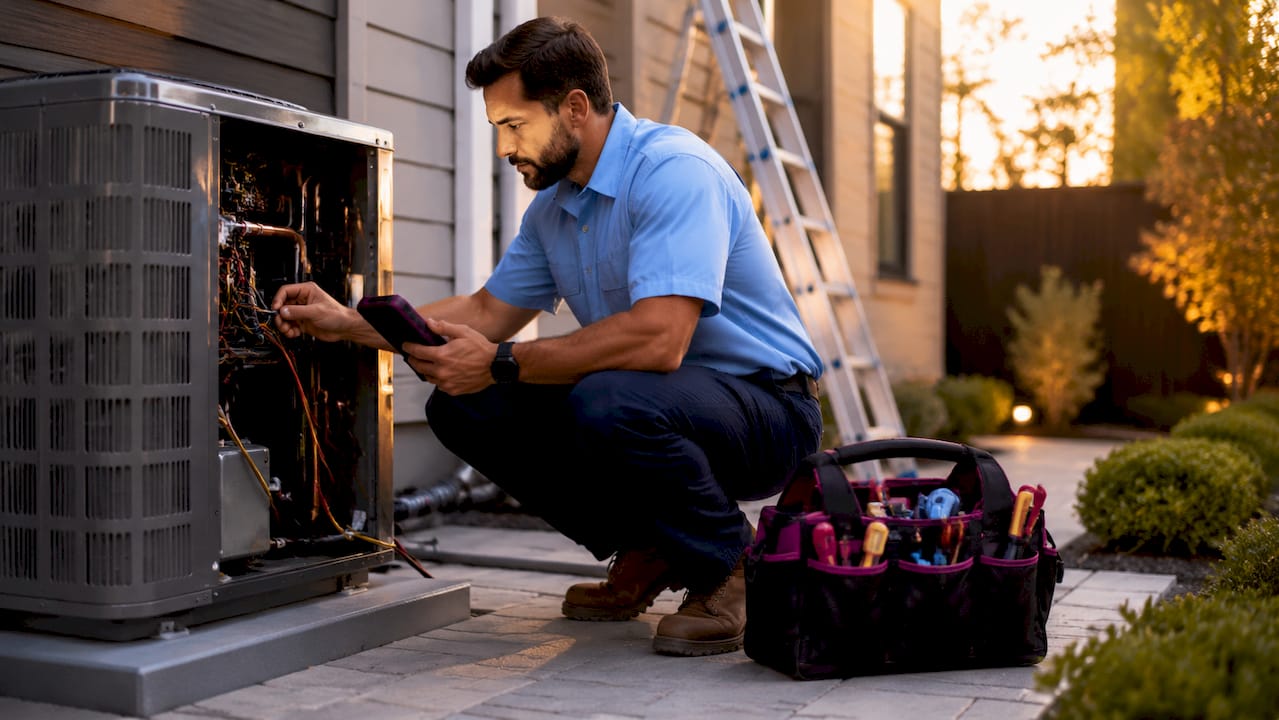
Trane and Carrier sit at the top of the premium tier, offering 10-plus year warranties and widespread parts networks that reduce repair wait times. Goodman occupies the mid-range tier and delivers solid reliability at a lower price point, making it a practical choice when budget is a constraint. Rheem and Daikin fall between these tiers, each with distinct strengths depending on climate and home type.
Brand reputation also correlates with how well a system matches your home’s specific demands. A Carrier variable-speed unit installed in a well-sealed Long Island home will behave very differently from a basic single-stage Goodman in the same space. Matching brand features to home size, insulation quality, and local climate is part of what a good installer does before any equipment is ordered.
- Component quality: Premium brands use higher-grade compressors, coils, and control boards that resist wear longer.
- Manufacturing consistency: Tighter factory tolerances mean fewer defects out of the box.
- R&D investment: Brands like Daikin and Carrier continuously refine refrigerant management and airflow design.
- Parts availability: Trane and Lennox maintain deep aftermarket inventories, cutting repair downtime.
- Warranty depth: Premium brands typically offer 10-year parts warranties when registered correctly.
Pro Tip: Ask your installer which brands they service most often. A technician who installs 50 Carrier units a year knows that equipment far better than one who installs it occasionally.
Why installation quality often outweighs brand in HVAC performance
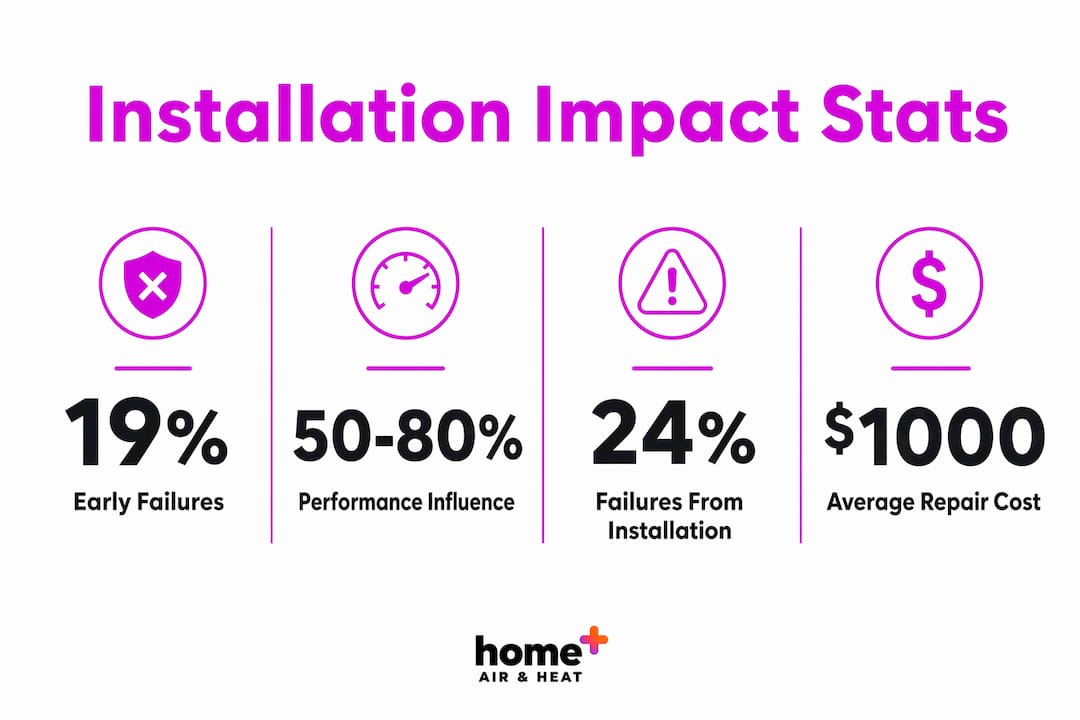
Installation quality is the single biggest factor in how well any HVAC system performs. Poor installation can increase energy use by 30% and reduce system capacity by over 40%. No brand name compensates for those losses.
“A properly installed mid-range brand system statistically outperforms a poorly installed premium brand system in longevity and efficiency.” — Parallect AI Research, 2026
The most common installation faults are not exotic. They are basic errors that happen when contractors cut corners or skip critical steps.
- Incorrect sizing. Oversizing causes short-cycling, which stresses the compressor and creates humidity problems. Many contractors use simplified rules of thumb instead of a proper Manual J load calculation.
- Poor airflow design. Undersized ducts or poorly placed returns choke the system regardless of how good the equipment is.
- Skipping the vacuum pull. Failing to evacuate the refrigerant lines properly introduces moisture that degrades the compressor over time.
- Refrigerant charge errors. An over- or undercharged system runs inefficiently and wears out faster, no matter the brand.
- Missing commissioning steps. Skipping startup checks means problems go undetected until a breakdown occurs.
About 19% of central AC systems experience significant problems early, with 24% of those failures traced directly to installation defects. That number should reframe how you think about the brand-versus-installer decision. The installer’s skill level is not a secondary concern. It is the primary one.
Installation quality determines 50–80% of HVAC performance and lifespan. That means even a Trane XV20i installed by an unqualified technician will underperform a correctly installed Goodman unit over a 15-year span.
How do warranty terms and after-sales support differ by brand?
Warranty terms vary sharply between brands, and the fine print matters more than the headline number. Proper warranty registration must happen within 60–90 days of installation to secure full 10-year parts coverage. Miss that window and many brands default to a 5-year warranty. That is a significant loss of protection on a $5,000 to $16,000 investment.
Many homeowners never register their equipment because no one tells them to. The installer moves on, the paperwork sits in a drawer, and the homeowner loses years of coverage without realizing it. Confirming registration is part of what a thorough installation process includes.
Beyond the warranty document itself, local dealer networks and parts availability strongly influence real-world repair costs and downtime. A brand with a thin dealer network in your area means longer waits for parts and higher labor costs when something breaks. Trane and Carrier maintain strong national networks. Goodman, owned by Daikin, has expanded its dealer footprint significantly. Lennox has excellent equipment but a more selective dealer network that can create service gaps in some regions.
Pro Tip: Before committing to a brand, ask your installer how quickly they can source replacement parts for that specific line. A two-day wait is manageable. A two-week wait in August is not.
| Brand | Warranty (registered) | Dealer network | Parts availability |
|---|---|---|---|
| Trane | 10 years parts | Very strong | Excellent |
| Carrier | 10 years parts | Very strong | Excellent |
| Lennox | 10 years parts | Selective | Good in covered areas |
| Goodman | 10 years parts | Strong and growing | Very good |
| Daikin | 12 years parts | Growing | Good |
What practical tips help you choose the right brand and installer combo?
The most reliable advice in the industry is also the most counterintuitive. Choose a trusted local HVAC contractor first, then let that contractor guide you toward the brand they know best and can support most effectively. Brand loyalty without installer competence is a losing strategy.
Here is how to vet both sides of that equation before you sign anything.
- Verify credentials. Look for NATE certification (North American Technician Excellence), which is the industry’s most recognized qualification standard. A NATE-certified technician has passed rigorous exams on specific equipment types.
- Ask about brand familiarity. A contractor who installs primarily Carrier equipment will commission a Carrier system more accurately than one who works across a dozen brands without deep expertise in any.
- Demand a Manual J calculation. Any installer who quotes a system size without running a load calculation is guessing. Guessing leads to the oversizing problem described above.
- Confirm warranty registration is included. Get it in writing that the installer will register your equipment within the required window.
- Check local reviews for brand-specific installs. Reviews that mention specific brands and long-term performance are more useful than generic five-star ratings.
For Long Island homeowners, coastal climate factors add another layer. Salt air accelerates corrosion on outdoor condenser coils. Brands that use coated coils, such as Carrier with its WeatherArmor Ultra protection or Trane with its Spine Fin coil design, hold up better in that environment. Matching brand features to your climate is not optional in a coastal zone. It is the difference between a 15-year system and a 9-year system.
Pro Tip: Request a written startup checklist from your installer after the job is done. It should confirm refrigerant charge, airflow measurements, and thermostat calibration. If they cannot provide one, that tells you something important.
Key takeaways
HVAC brand matters at installation because it sets the baseline for component quality, warranty protection, and serviceability, but installation quality ultimately determines whether those advantages are realized.
| Point | Details |
|---|---|
| Brand sets the baseline | Premium brands like Trane and Carrier offer better components and deeper warranty coverage from day one. |
| Installation quality dominates | Poor installation can cut system capacity by over 40%, regardless of brand. |
| Warranty registration is critical | Missing the 60–90 day registration window can cut your warranty from 10 years to 5 years. |
| Installer familiarity matters | Choose a contractor who specializes in your chosen brand for better commissioning and faster repairs. |
| Local support network counts | Brands with strong dealer networks in your area reduce repair wait times and long-term costs. |
What I’ve learned after years of watching homeowners get this wrong
Homeowners consistently overweight brand and underweight installer quality. I have seen Trane systems fail within three years because a contractor skipped the vacuum pull and left moisture in the lines. I have also seen Goodman units run flawlessly for 18 years because a meticulous technician sized the system correctly and commissioned it by the book.
The brand hype trap is real. Manufacturers spend heavily on marketing, and homeowners absorb that messaging. When someone calls a service company and says “I only want Carrier,” the first question should be: does your local installer know Carrier equipment cold? If the answer is no, that brand preference is working against you.
Warranty registration is the most overlooked piece of this entire process. I have spoken with homeowners who discovered years into ownership that their 10-year warranty had defaulted to 5 years because no one registered the unit. That is not a manufacturer problem. It is a process problem that a good installer prevents.
The right framework is simple. Find the best installer in your area first. Ask them which brands they install most and why. Then check that the brand they recommend has solid local parts availability and matches your home’s specific demands, including climate, square footage, and duct condition. That sequence produces better outcomes than any amount of brand research done in isolation.
For homes on Long Island specifically, the coastal environment makes coil protection and corrosion resistance non-negotiable criteria. That narrows the field quickly and makes the installer-brand conversation even more specific. You can explore high-efficiency options that are built for coastal conditions once you have the right installer in your corner.
— Blake
Get expert HVAC installation guidance from Hometsair
Hometsair serves Long Island homeowners with NATE-certified technicians who know the coastal climate, the local housing stock, and the brands that hold up in salt-air conditions. Every installation includes proper load calculations, warranty registration, and a written commissioning checklist.
Hometsair currently offers $1,000 off AC installations, with zero overtime fees and same-day response across Nassau County. Whether you need a new system in Bayville, a replacement install in Baldwin, or a free quote in Cedarhurst, the team handles brand selection and installation as one connected process. Call or book online to get a transparent quote with no surprises.
FAQ
Why does HVAC brand matter at installation specifically?
Brand determines component quality, warranty terms, and parts availability from the moment the system is installed. A brand with poor local dealer support or weak coil protection creates problems that show up within the first few years of ownership.
Does a better brand guarantee better HVAC performance?
No. Installation quality determines 50–80% of system performance, meaning a mid-range brand installed correctly will outperform a premium brand installed poorly.
What happens if I don’t register my HVAC warranty after installation?
Most brands require registration within 60–90 days to activate full 10-year coverage. Missing that window defaults the warranty to 5 years, cutting your protection in half.
Which HVAC brands are best for Long Island homes?
Trane, Carrier, and Daikin perform well in coastal environments due to their coil protection features and strong local dealer networks. The best choice depends on your installer’s expertise with that specific brand.
Should I pick my HVAC brand or my installer first?
Pick your installer first. A trusted local contractor will guide you toward the brand they can install and service most effectively, which produces better long-term results than choosing a brand independently.