
Maximize Heating Efficiency in Your Existing System
Learn how to maximize heating efficiency in your existing system. Save money and energy with simple fixes like maintenance and smart thermostats.
Maximize Heating Efficiency in Your Existing System
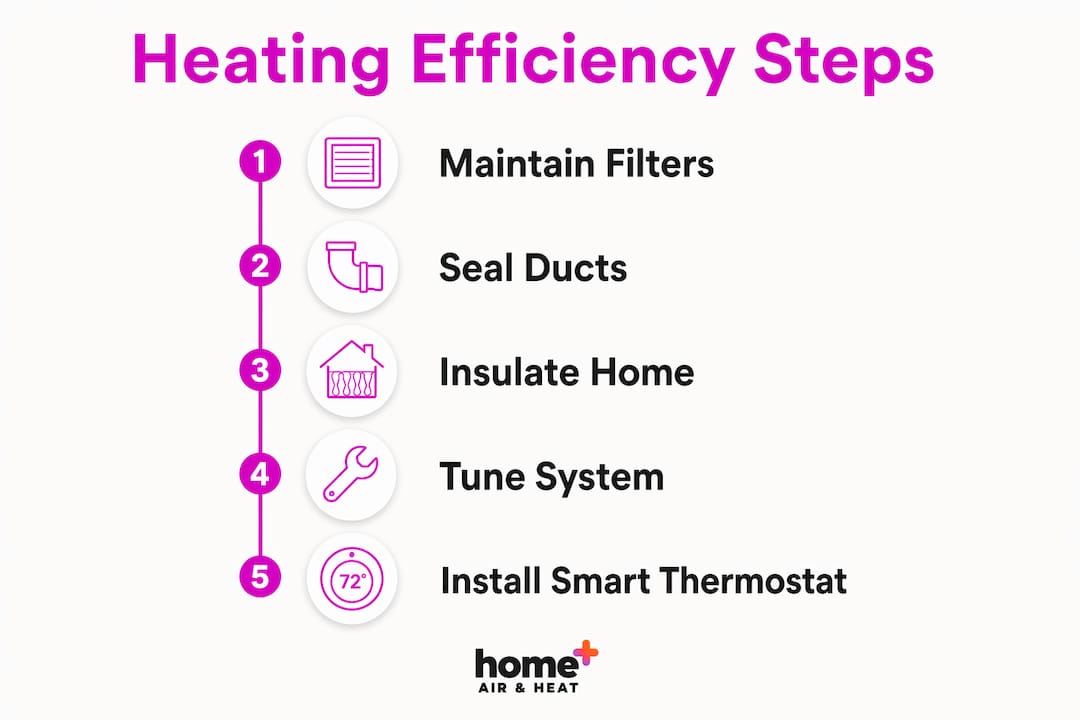
Maximizing heating efficiency in your existing system is defined as getting the most heat output per dollar of fuel or electricity consumed, without replacing your equipment. Most homeowners can cut heating costs substantially through maintenance, air sealing, and smart thermostat use alone. The U.S. Department of Energy confirms that proper duct sealing adds 20% or more to system efficiency, and a whole-house approach can reduce energy bills by roughly 30%. That kind of savings is available to you right now, before you spend a dollar on new equipment.
How to maximize heating efficiency in your existing system
The industry term for this process is “thermal performance optimization,” and it covers everything from filter swaps to building envelope upgrades. The good news is that most of the gains come from low-cost fixes, not replacements. Smart HVAC retrofits and air sealing can save homeowners 15–25% on energy bills in the first year. That figure rises when you combine smart controls with physical sealing measures.
The right sequence matters. Improving your home’s shell first, then tuning the system, then adding smart controls, produces better results than doing these steps out of order. A furnace that runs in a leaky house works harder than it needs to. Fix the leaks first, and the furnace you already own may perform like a newer model.
Why routine maintenance is the foundation of heating performance
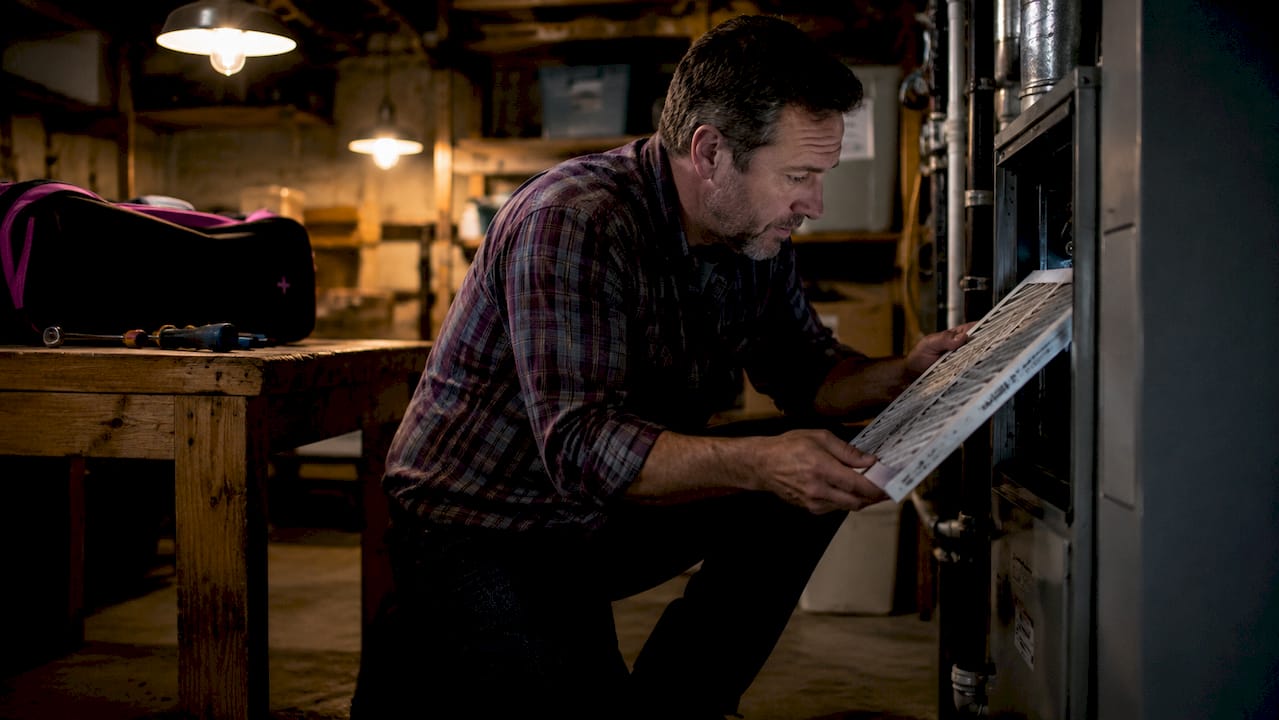
System efficiency is frequently limited by airflow issues, not equipment age. Blocked vents, dirty filters, and restricted return airflow cause excessive equipment runtime and are often mistaken for system failure. A furnace that runs longer than it should burns more fuel and wears out faster.
The core maintenance tasks every homeowner should handle on a schedule include:
- Filter replacement: Replace standard 1-inch filters every 30–90 days depending on household dust and pet hair levels. A clogged filter starves the blower of air.
- Burner and heat exchanger cleaning: Annual professional cleaning removes soot and scale that reduce combustion efficiency.
- Airflow checks: Walk every room and confirm supply vents are open and unobstructed by furniture or rugs.
- Blower motor inspection: A dirty blower wheel can reduce airflow by a significant margin without triggering any error codes.
- Condensate drain clearing: On high-efficiency furnaces, a blocked drain line triggers a safety shutoff that mimics a system failure.
The split between DIY and professional tasks is clear. Filter swaps, vent checks, and thermostat battery replacements are homeowner tasks. Combustion analysis, heat exchanger inspection, and refrigerant checks require a licensed technician. Scheduling an annual heating system tune-up before the heating season starts keeps both categories covered.
Pro Tip: Set a phone reminder on the first day of october to replace your filter and schedule your annual tune-up. Doing both before the first cold snap means your system runs at full capacity when you need it most.
Does duct sealing really improve heating efficiency?
Duct sealing is one of the highest-return investments available to homeowners with forced-air systems. The DOE confirms that sealing and insulating ducts improves system efficiency by 20% or more. That means a furnace rated at 80% efficiency can effectively perform closer to 96% efficiency simply by stopping conditioned air from escaping into unconditioned spaces like attics and crawlspaces.
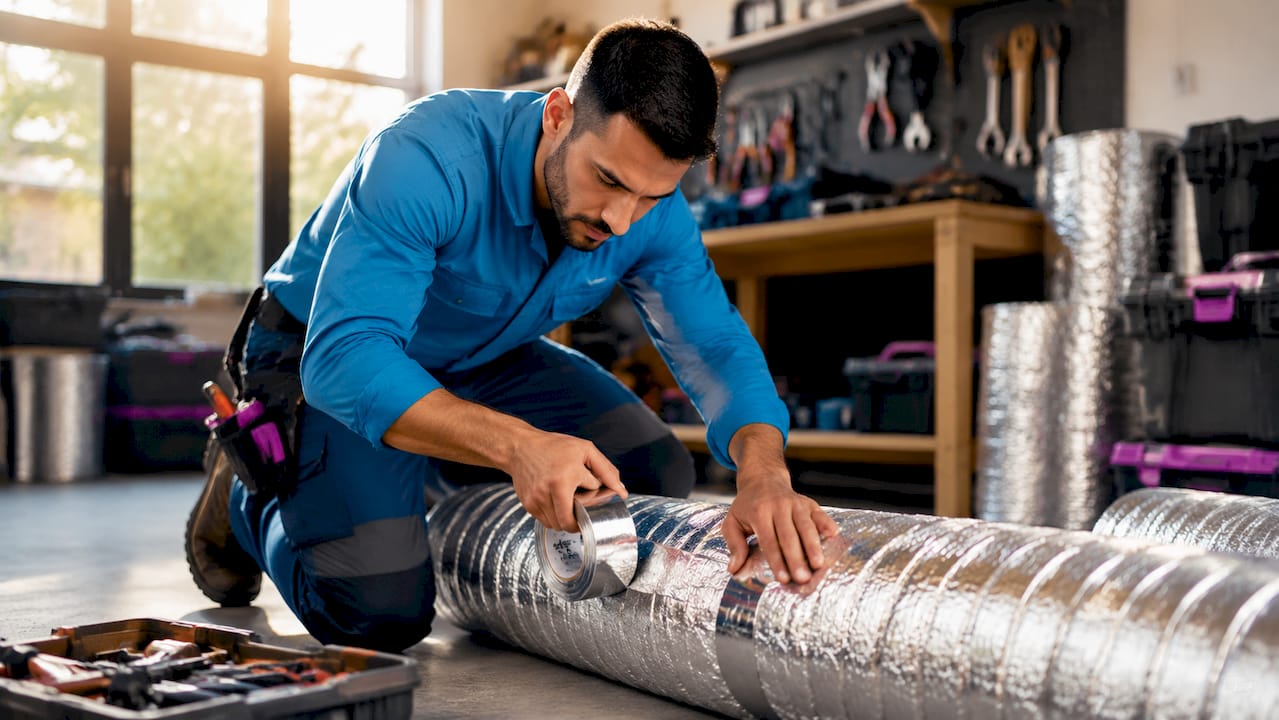
The most common leakage points are at duct joints, where sections connect, and at the air handler cabinet itself. Gaps at registers where ducts meet floors or ceilings also bleed heat. Mastic sealant applied by a technician outperforms foil tape for long-term durability.
| Improvement | Typical efficiency gain | Best for |
|---|---|---|
| Duct sealing | 20% or more | Forced-air systems with attic or basement ducts |
| Attic insulation upgrade | Up to 15% heating load reduction | Homes with under-insulated attics |
| Air sealing (walls, rim joists) | Combined savings up to 30% | Older homes with drafty envelopes |
| Window insulation film | Moderate heat retention | Single-pane windows in cold climates |
Sequencing matters here. Building shell improvements should come before any equipment upgrade. If you seal and insulate first, your existing furnace may be correctly sized for the new, lower heating load. Upgrading equipment before sealing often results in an oversized system that short cycles, wears out faster, and delivers uneven comfort.
Pro Tip: Before calling a contractor, walk your attic or basement with a flashlight and look for duct sections wrapped in old foil tape that has peeled away. Those gaps are costing you money every hour the furnace runs.
How do smart thermostats help you optimize existing heating?
A programmable or smart thermostat reduces heating waste by matching system runtime to your actual schedule. Smart controls alone typically save 10–15% on heating costs, and that figure climbs when combined with air sealing. The payback period on most smart thermostats is under two years.
The scheduling strategies that deliver the most savings include:
- Setback during work hours: Dropping the temperature by 7–10 degrees Fahrenheit for 8 hours a day can cut annual heating costs meaningfully. A smart thermostat automates this without any daily effort from you.
- Pre-warm before wake-up: Program the system to reach your comfort temperature 30 minutes before your alarm. You wake up warm without running the heat all night.
- Geofencing: Many smart thermostats use your phone’s location to start heating as you drive home, so the house is warm when you arrive without wasting energy while you’re out.
Heat pump owners need a different approach. The DOE recommends a “set it and forget it” strategy for heat pumps. Frequent large temperature swings force the system to use electric resistance backup heat, which is far less efficient than the heat pump itself. Keeping the thermostat at a steady temperature, or using very gradual setbacks, preserves heat pump efficiency.
Choosing the right thermostat for your system matters. The best smart thermostats in 2026 vary by budget and system type, and not every model is compatible with heat pumps, multi-stage furnaces, or systems without a common wire. Verify compatibility before purchasing.
What causes uneven heating, and how do you fix it?
Uneven heating and noisy furnace operation are the two clearest signs of an airflow problem. System efficiency drops when blocked vents or dirty filters force the blower to work harder than designed. The fix is usually simpler than homeowners expect.
Follow these steps to diagnose and correct airflow issues:
- Check every supply vent in the house. Confirm each one is fully open and not blocked by furniture, rugs, or drapes. Closing vents in unused rooms does not save energy. It increases static pressure and stresses the blower.
- Locate all return air grilles. Returns are typically larger grilles without adjustable louvers. Make sure none are blocked by furniture pushed against the wall.
- Pull the filter and inspect it. Hold it up to a light source. If you cannot see light through it, replace it immediately regardless of when it was last changed.
- Check the filter rating. High-efficiency HEPA and allergen filters can restrict airflow and cause premature blower wear if they exceed your system’s static pressure rating. Check your furnace manual for the maximum MERV rating it supports.
- Listen to the furnace during a heating cycle. A high-pitched whine or rattling from the air handler often signals a dirty blower wheel or a loose panel, both of which reduce airflow.
- Call a technician for a static pressure test. This test measures actual airflow against design specifications and identifies whether the duct system is undersized or blocked.
Steam heating systems have their own version of this problem. Upgrading old radiator vents and installing new vents at steam main endpoints helps air escape quickly, balancing heat across all radiators and improving efficiency by 5–10%. This is a low-cost fix that many steam heat homeowners overlook entirely.
After making air sealing and insulation improvements, a professional load calculation is the right next step. HVAC systems in older homes are often oversized to begin with. Once the building envelope tightens, the existing equipment may be even more oversized, leading to short cycling and humidity problems. Right-sizing follows the envelope work, not the other way around.
Key takeaways
Sealing ducts and improving insulation before upgrading equipment is the single most cost-effective sequence for improving heating efficiency in an existing system.
| Point | Details |
|---|---|
| Maintenance comes first | Replace filters, clean burners, and clear vents before any other improvement. |
| Duct sealing delivers 20% gains | Sealing duct leaks improves system efficiency by 20% or more, per DOE data. |
| Fix the shell before the equipment | Air sealing and insulation reduce heating load and prevent oversized replacements. |
| Smart thermostats save 10–15% | Scheduling and geofencing cut runtime waste without sacrificing comfort. |
| Airflow issues mimic system failure | Blocked vents and wrong-rated filters cause inefficiency that looks like equipment failure. |
The case for working with what you have
Most homeowners I talk to assume their heating problems require a new furnace. That assumption costs them money. In the majority of cases I’ve seen, the system itself is fine. The house around it is the problem.
A furnace running in a leaky, under-insulated home is like trying to fill a bathtub with the drain open. You can upgrade the faucet all you want, but until you fix the drain, you’re wasting water. The same logic applies to heating. Seal the ducts, add attic insulation, and address air leaks at rim joists and penetrations. Then reassess. You may find your existing system handles the load perfectly.
The other misconception I encounter constantly is that smart thermostats are a luxury. They are not. For heat pump owners especially, a thermostat that holds a steady temperature rather than swinging it up and down can eliminate the electric resistance backup heat that quietly doubles your electricity bill. That is not a minor convenience. It is a meaningful change in how your system operates.
My honest advice: get a professional energy audit before spending anything on equipment. A blower door test and duct leakage test will show you exactly where your home loses heat. Spend your money there first. The system you already own will likely carry you several more years once the house stops fighting it. Pair that with energy-efficient window coverings to reduce radiant heat loss through glass, and you have a complete, low-cost approach that works before winter hits hard.
— Blake
Hometsair can help you get more from your heating system
Knowing what to fix is one thing. Getting it done correctly is another. Hometsair’s NATE-certified technicians serve Long Island homeowners with same-day response and no overtime fees, which means you get expert help when you actually need it, not three days later.

Hometsair offers comprehensive HVAC tune-ups, duct sealing, and smart thermostat installation, covering every improvement covered in this article. The team’s 90% first-visit fix rate means most problems get resolved in a single visit. If you’re ready to stop guessing and start seeing lower bills, schedule a professional inspection through Hometsair’s Bayville HVAC services page. A trained technician will assess your system, identify your biggest efficiency losses, and give you a clear, transparent plan with no surprise charges.
FAQ
How much can duct sealing improve my heating efficiency?
Sealing and insulating ducts improves system efficiency by 20% or more. A whole-house approach that includes air sealing can reduce total energy bills by approximately 30%.
Should I replace my furnace or seal my ducts first?
Seal your ducts and improve insulation first. Building envelope improvements reduce your heating load, which may make your existing furnace correctly sized and delay or eliminate the need for replacement.
Can a smart thermostat really lower my heating bills?
Yes. Smart controls typically save 10–15% on heating costs through scheduling and geofencing. For heat pump owners, holding a steady thermostat setting avoids costly electric resistance backup heat.
Why is my furnace running constantly but the house stays cold?
Constant runtime with poor results usually points to blocked vents, dirty filters, or duct leaks rather than equipment failure. Check filters and vents first before calling for a repair.
Is a high-efficiency HEPA filter always better for my system?
Not always. Restrictive high-efficiency filters can reduce airflow and cause premature blower wear if they exceed your system’s rated static pressure. Check your furnace manual for the maximum supported MERV rating before upgrading.