
Mold spores in the air are a common concern for many homeowners across Nassau County. These tiny particles can float around, affecting indoor air quality in ways you might not immediately notice. They are invisible to the naked eye but can cause significant health issues when left unchecked.
Exposure to mold spores can lead to allergies and respiratory problems. Understanding how to detect and eliminate them naturally is crucial for maintaining a healthy home environment. Simple steps can make a big difference in your indoor air quality.
What Are Mold Spores in the Air?
Mold spores are microscopic particles that drift through the air in both indoor and outdoor environments. They are produced by mold, a type of fungus that thrives in damp conditions. Once airborne, mold spores can travel considerable distances throughout your home.
How Mold Spores Enter Your Home:
- Through open windows and doors
- Via heating, ventilation, and air conditioning (HVAC) systems
- Through cracks and crevices in walls and foundations
- On clothing, shoes, and pets coming from outside
Because they are so light, mold spores can remain in the air for long periods. The concentration of mold spores indoors can be higher if conditions are right for mold growth. Controlling moisture and ensuring proper ventilation can help manage spore levels in your home.
Health Effects of Airborne Mold Spores
Exposure to airborne mold spores can pose several health risks. These spores can cause allergic reactions in sensitive individuals, with symptoms ranging from mild to severe depending on exposure levels.
Mold spore allergies can also result in respiratory issues. People with asthma may experience aggravated symptoms, including difficulty breathing and wheezing.
Those with weakened immune systems face greater risks from mold exposure. Proper care and prevention are crucial for protecting vulnerable family members.

Runny Nose
Stuffy or congested
Itchy Eyes
Watery and irritated
Skin Rashes
Irritation and redness
Coughing
Sneezing and wheezing
How Long Do Mold Spores Stay in the Air?
Mold spores can remain airborne for a significant amount of time. Environmental conditions like humidity and air currents affect this duration. In still air, spores typically settle faster.
However, in areas with drafts or moving air, spores may stay aloft much longer—sometimes for hours or even days. Regular ventilation and controlled air flow, combined with HEPA air purifiers, can help manage their persistence in indoor spaces.
Mold Spore Detection and Testing
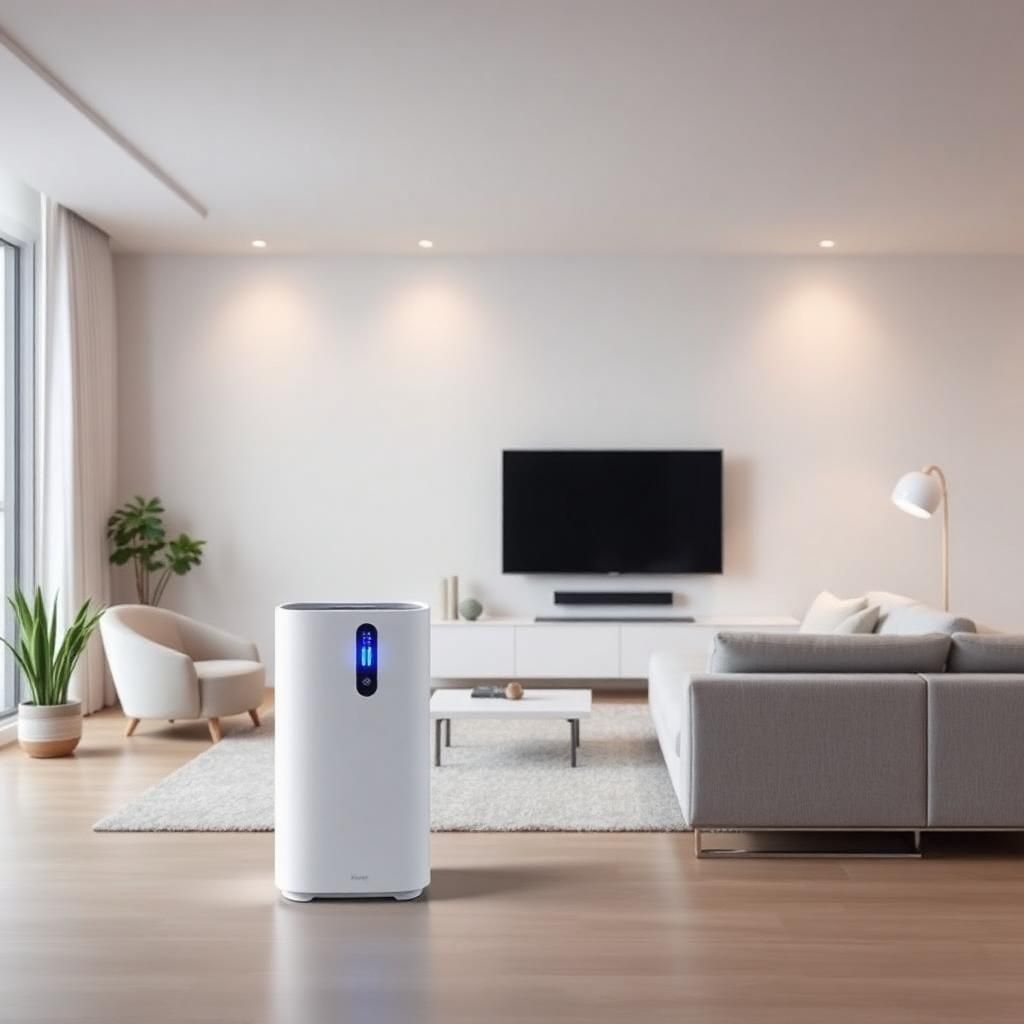
Detecting mold spores can be challenging due to their microscopic size. Without visible signs, professional equipment may be required. Homeowners can start with basic detection methods to assess their indoor air quality.
Testing Options:
- DIY testing kits (preliminary analysis)
- Professional mold inspection services
- Air quality monitors with spore detection
DIY kits can provide a preliminary analysis but often lack the accuracy of professional testing. For a comprehensive assessment, hiring a professional is recommended. Testing helps identify spore concentration levels in your home, and early detection can prevent potential health risks and structural damage caused by mold growth.
How to Remove Mold Spores Naturally
Removing mold spores naturally is possible with regular effort and the right approach. Start by improving ventilation in your home—open windows to allow fresh air circulation whenever weather permits.
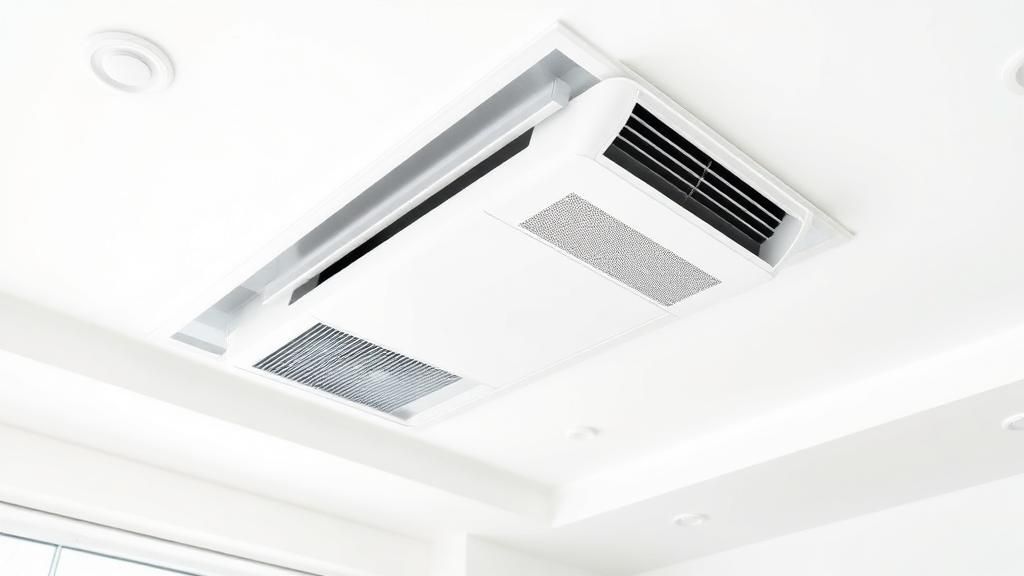
Use air purifiers equipped with HEPA filters, which are highly effective at capturing airborne mold spores. Regular filter replacement enhances their performance.
Maintaining a dry environment is crucial. Use dehumidifiers to keep indoor humidity below 50%. Consistent moisture control prevents mold growth and spore spread.
Natural Cleaning Tips:
- Dust with a damp cloth to trap spores instead of spreading them
- Vacuum regularly with HEPA-filtered vacuums
- Wash fabrics and bedding in hot water
- Clean bathroom and kitchen surfaces regularly
Essential Oils and Natural Remedies

Essential oils can kill mold spores effectively thanks to their natural antifungal properties. Use them in diffusers to disperse into the air throughout your home.
Tea Tree Oil
Powerful antifungal with proven mold-killing properties
Eucalyptus Oil
Natural antimicrobial that freshens air
Clove Oil
Strong antifungal properties for mold prevention
These oils can be added to cleaning solutions as well. Their natural properties help inhibit mold growth and freshen the air. Add a few drops to a spray bottle with water for an effective natural cleaning solution.
Does Vinegar or Lysol Kill Mold Spores in the Air?
Vinegar
Vinegar is an effective surface disinfectant for mold. However, it is less effective for airborne spores. It works best for cleaning mold from solid surfaces like countertops and tile.
Lysol
Lysol can kill mold on surfaces, but it's not intended for air purification. Surface treatment with Lysol complements air cleaning efforts but shouldn't be relied upon alone.
For truly effective airborne mold spore removal, HEPA air purifiers remain the gold standard. Combine surface cleaning with air purification for the best results.
Preventing Mold Growth and Spore Spread
Preventing mold growth is essential for healthy indoor air. Focus on moisture control first—fix leaks and promptly address water damage. Maintain cleanliness to limit mold sources, and regularly inspect areas prone to dampness like basements and bathrooms.
Moisture Control:
- Keep surfaces dry and clean
- Empty and clean dehumidifier filters
- Use mildew-resistant paint in humid areas
- Fix plumbing leaks immediately
Ventilation Tips:
- Install exhaust fans in kitchens and bathrooms
- Seal windows and doors to prevent moisture entry
- Use air conditioners during humid seasons
- Ensure proper attic and basement ventilation
These steps help manage mold spore levels effectively. Prevention reduces health risks associated with mold exposure and keeps your home environment comfortable year-round.
When to Call a Professional
Seek Professional Help When:
- • Mold covers large areas (more than 10 square feet)
- • Visible mold persists despite cleaning efforts
- • You or family members experience ongoing health symptoms
- • Mold affects your HVAC system or ductwork
- • There's extensive water damage in your home
If mold covers large areas or you experience persistent health symptoms, it's time to consult experts. Professionals can assess and resolve severe mold issues safely, ensuring thorough removal and addressing problems you might miss.
Conclusion
Mold spores in the air can significantly impact your health and home quality. By using natural methods like essential oils, HEPA air purifiers, and maintaining good air flow, you can lessen these effects considerably.
Taking regular preventive measures helps maintain a healthy living environment. Stay vigilant about moisture control and ventilation. If mold problems persist despite your efforts, seek professional help to ensure a safe and comfortable home.
Concerned About Your Home's Air Quality?
Our HVAC experts can help improve your indoor air quality with professional air duct cleaning, UV air purifiers, dehumidifiers, and whole-home ventilation solutions.