
Mold spores are a common problem in many homes across Nassau County and beyond. They thrive in damp, warm, and humid environments—conditions that are especially prevalent in basements, bathrooms, and areas with poor ventilation. These microscopic particles can cause health issues and damage to your property if left unchecked.
Understanding how to kill mold spores is crucial for maintaining a healthy living space. Mold removal involves more than just cleaning visible mold—it requires a comprehensive approach to eliminate spores and prevent regrowth. In this guide, we'll explore effective methods for mold spores removal that you can apply in your home.
Understanding Mold Spores: What You Need to Know
Mold spores are tiny particles that exist both indoors and outdoors. They are not visible to the naked eye and can float through the air, spreading easily throughout your home. Despite their size, they can cause significant problems if allowed to thrive.
Mold thrives in moist conditions and can quickly infest various surfaces. Common areas affected include bathrooms, kitchens, basements, and attics. Spores can remain dormant for long periods, waiting for the right conditions to grow.
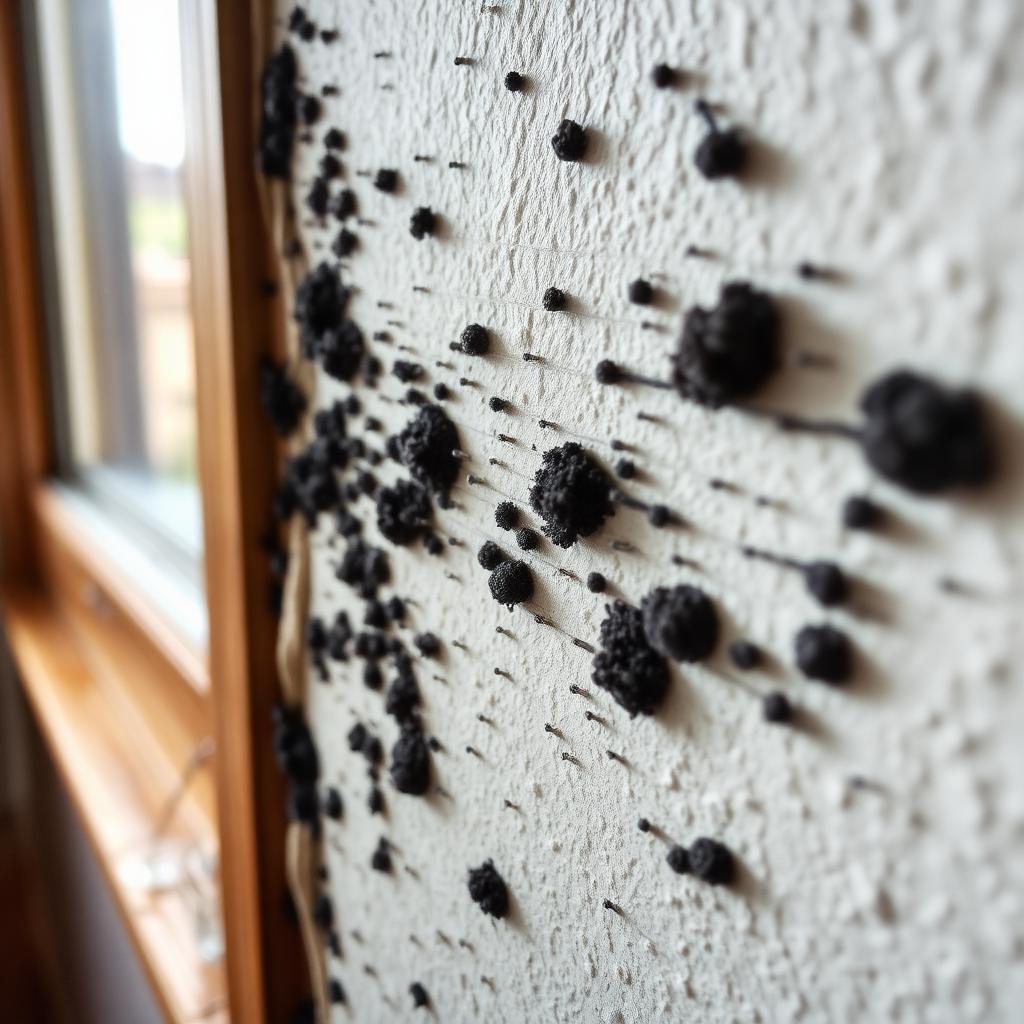
Key Facts About Mold Spores:
- They cause allergic reactions and respiratory issues in sensitive individuals
- Mold growth indicates underlying moisture problems that need addressing
- Controlling moisture is the primary key to preventing mold growth
Health Risks of Mold Spores
Mold spores can pose serious health risks, especially for sensitive individuals. Breathing in these spores can lead to various health issues. People with allergies, asthma, or weakened immune systems are particularly at risk.
Respiratory Issues
Wheezing, coughing, and difficulty breathing
Allergic Reactions
Sneezing, runny nose, and itchy eyes
Skin Irritation
Rashes and skin irritation upon exposure
Prolonged exposure can exacerbate symptoms, making them difficult to manage. It's crucial to address mold issues promptly to protect your health. Regular inspections and cleaning can help in maintaining a healthy indoor environment.
Mold Remediation Steps: A Complete Guide
Mold remediation requires careful planning and execution. Following a systematic approach ensures thorough removal and helps prevent recurrence.
Inspection
Conduct a thorough assessment of all areas to determine the extent of mold contamination.
Containment
Seal off the affected areas using plastic sheeting to prevent spores from spreading.
Air Filtration
Use HEPA filters to capture airborne mold spores and improve air quality.
Removal
Safely remove mold and all contaminated materials from the affected areas.
Cleaning
Disinfect all surfaces thoroughly to eliminate any remaining mold traces.
Restoration
Repair and restore the affected areas, addressing any underlying moisture issues.
Air filtration is crucial during removal. HEPA filters effectively capture mold spores, improving air quality throughout your home. Ensure that all visible and mold is cleaned. Address moisture problems as mold thrives in damp conditions.
Airborne Mold Spores Removal: Best Practices
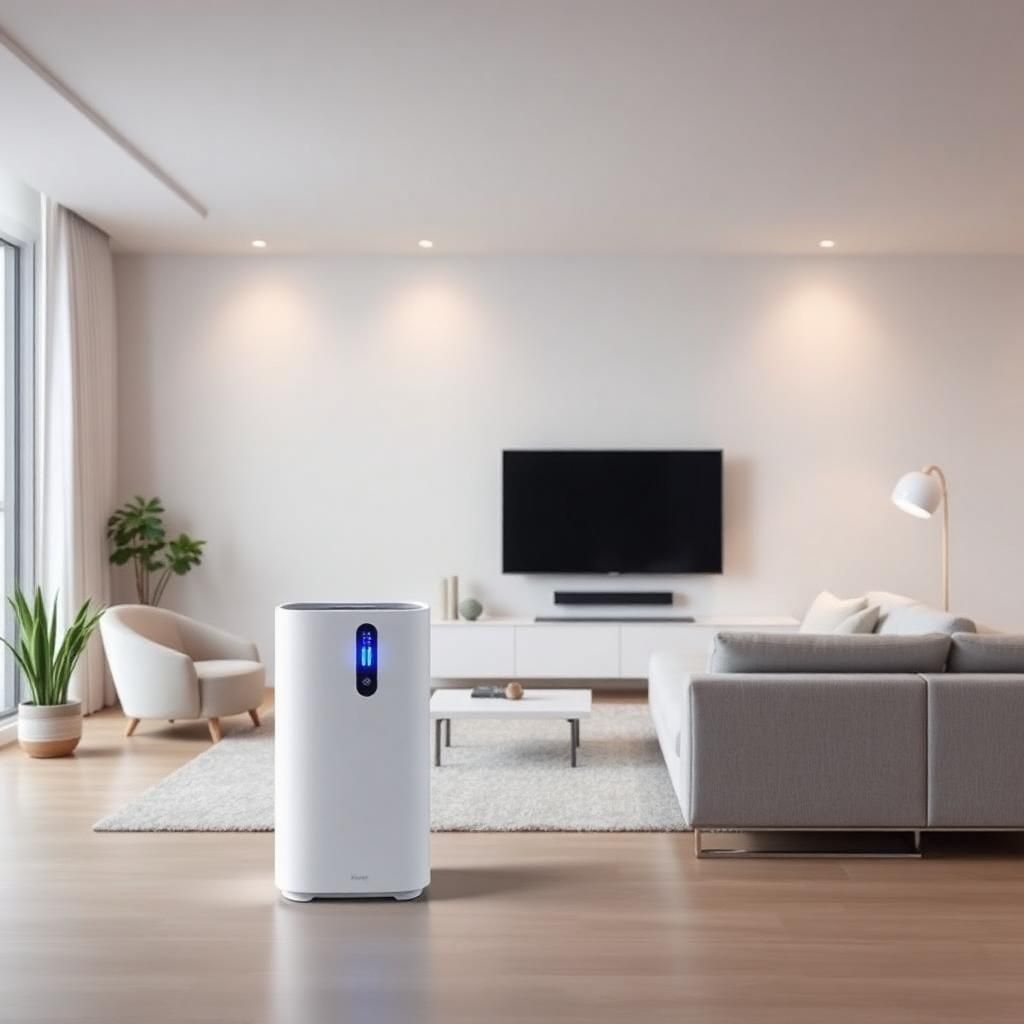
Airborne mold spores are invisible yet harmful. They can spread throughout your home if not contained properly. Removing them requires strategic actions and the right tools.
Best Practices:
- Install HEPA air purifiers to trap airborne spores
- Ensure proper ventilation in moisture-prone areas
- Use exhaust fans in kitchens and bathrooms
- Regularly change HVAC filters
Avoid activities that stir up dust, such as sweeping or dry dusting. Instead, opt for damp cloths to capture spores on surfaces. For optimal results, aim to maintain indoor humidity below 50%. A dry environment is crucial for preventing mold growth.
Safe and Effective Methods to Kill Mold Spores
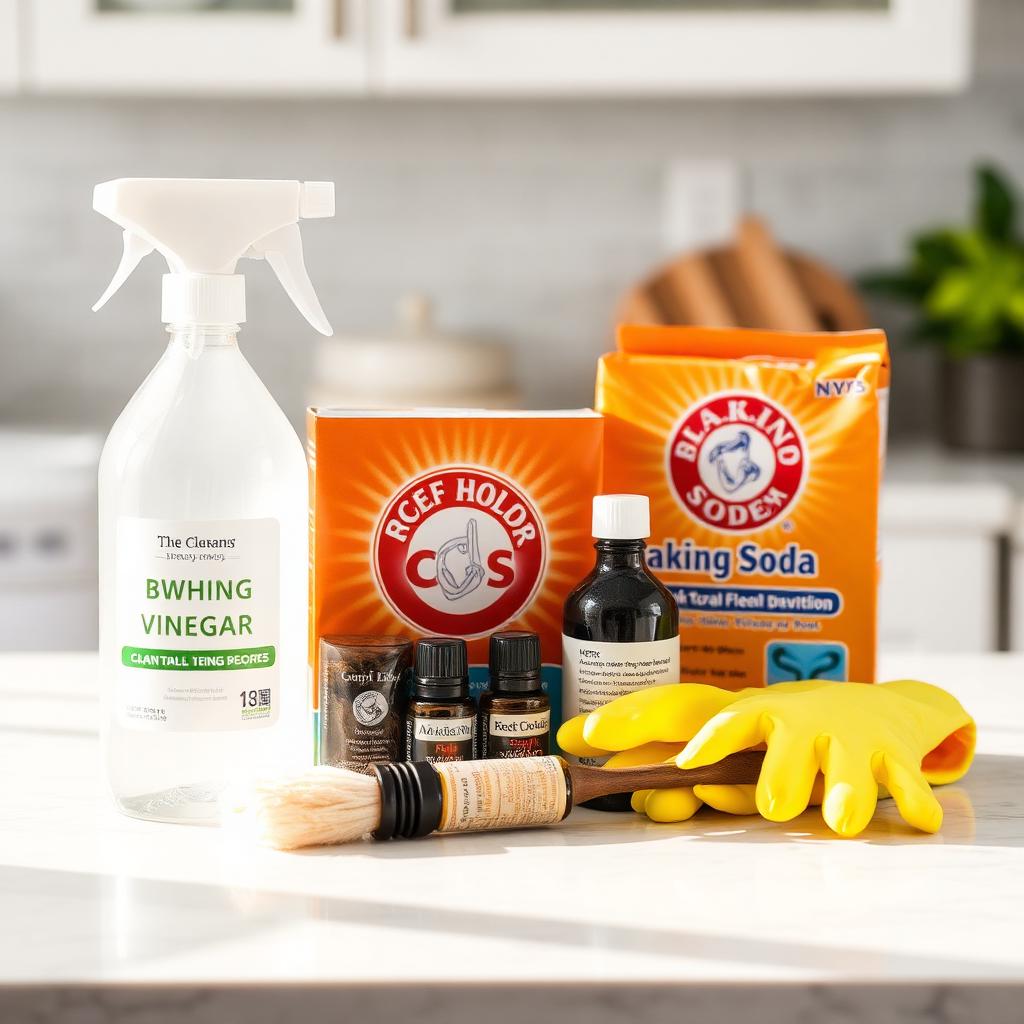
Killing mold spores requires a combination of approaches. Natural solutions are often effective and safe for your home. Using household items can eliminate spores without harsh chemicals.
Vinegar
Spray undiluted white vinegar on moldy areas, let it sit for an hour, then wipe clean with water.
Baking Soda
Mix a teaspoon with water in a spray bottle. Spritz the solution, scrub, and rinse thoroughly.
Tea Tree Oil
Add a teaspoon to a cup of water. Spray on surfaces and leave without rinsing for lasting protection.
Safety First
For persistent issues, consider commercial mold killers. Always wear protective gear, such as N95 masks and gloves, during application. Mold can be toxic—safety is vital.
Mold Removal Tips for Preventing Regrowth
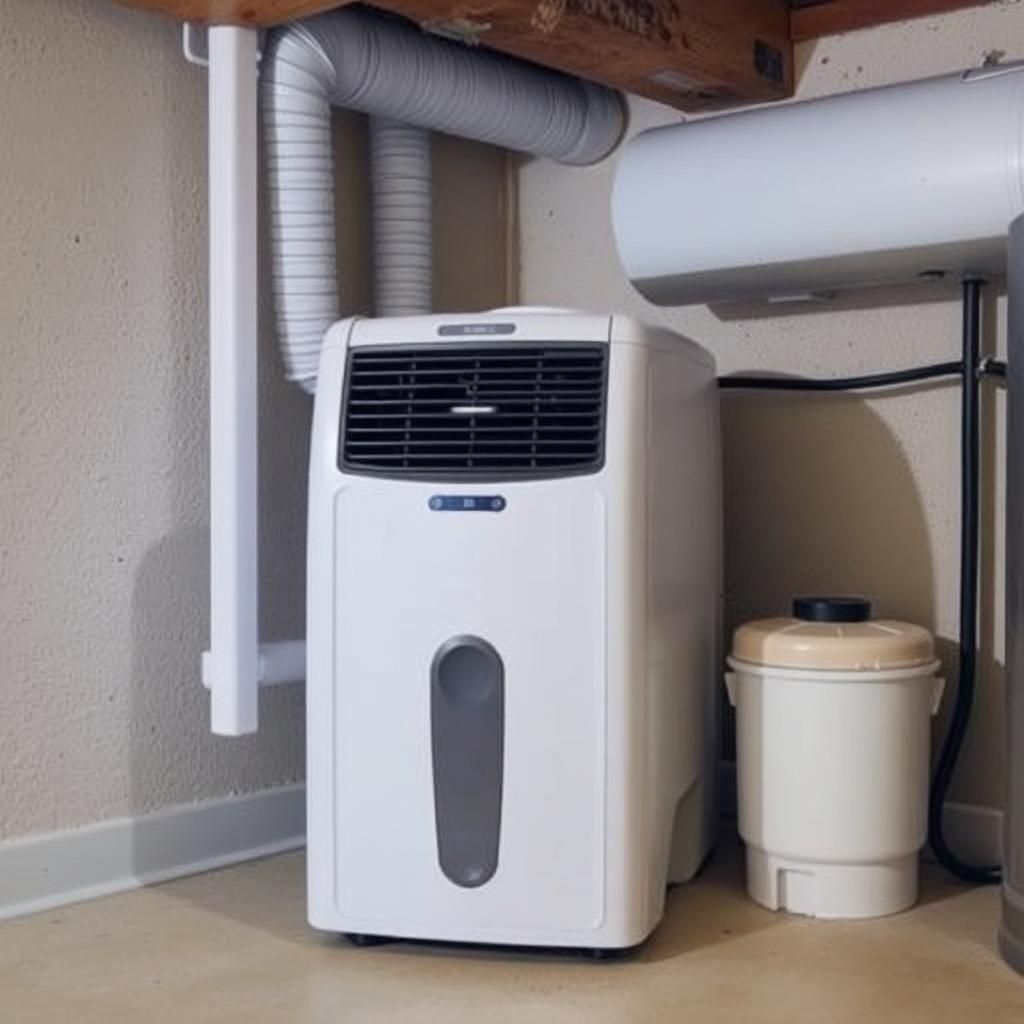
Preventing mold regrowth is as important as the initial removal. Regular maintenance and monitoring can stop spores before they settle again. By focusing on moisture control, you're one step ahead in protecting your space.
Prevention Checklist:
- Repair leaks and fix water damage promptly
- Ensure proper ventilation in moisture-prone areas
- Use dehumidifiers to maintain low indoor humidity
- Clean regularly, paying attention to spaces
Addressing these factors significantly reduces the risk of mold returning. Consistent vigilance protects your environment from future mold problems. Remember, prevention is always easier than dealing with a full-blown infestation.
When to Call a Professional for Mold Remediation
While some mold issues can be resolved at home, certain situations require professional intervention. If you notice extensive mold growth (more than 10 square feet) or experience persistent health symptoms, it's time to consult experts.
Professional Help Is Recommended When:
- Mold covers a large area (more than 10 square feet)
- Mold is affecting your HVAC system or ductwork
- You or family members experience ongoing health issues
- Mold returns after DIY removal attempts
Trained specialists ensure thorough removal and address any issues. They have professional-grade equipment and expertise to handle severe infestations safely.
Conclusion: Keeping Your Home Mold-Free
Preventing mold requires consistent effort and vigilance. Regular cleaning, reducing humidity, and fixing leaks promptly can significantly decrease mold risks. A proactive approach keeps your living space healthy for you and your family.
Remember, mold prevention is always better than dealing with a full-blown infestation. By following the mold removal tips and maintenance strategies outlined in this guide, you ensure a safer, more comfortable home environment. Stay attentive to any signs of moisture or mold and act quickly when you spot them.
Need Help With Indoor Air Quality?
Our HVAC experts can help improve your home's air quality with professional duct cleaning, UV air purifiers, and dehumidifier installation. Breathe easier in your Nassau County home.