
Signs Your Long Island Central AC Needs Replacing: Key Air Conditioner Replacement Indicators and Repair Vs Replacement Guide
Is your Long Island home struggling to stay cool? Learn the key signs your central AC needs replacing, compare repair vs. replacement costs, and discover the benefits of high-efficiency upgrades.
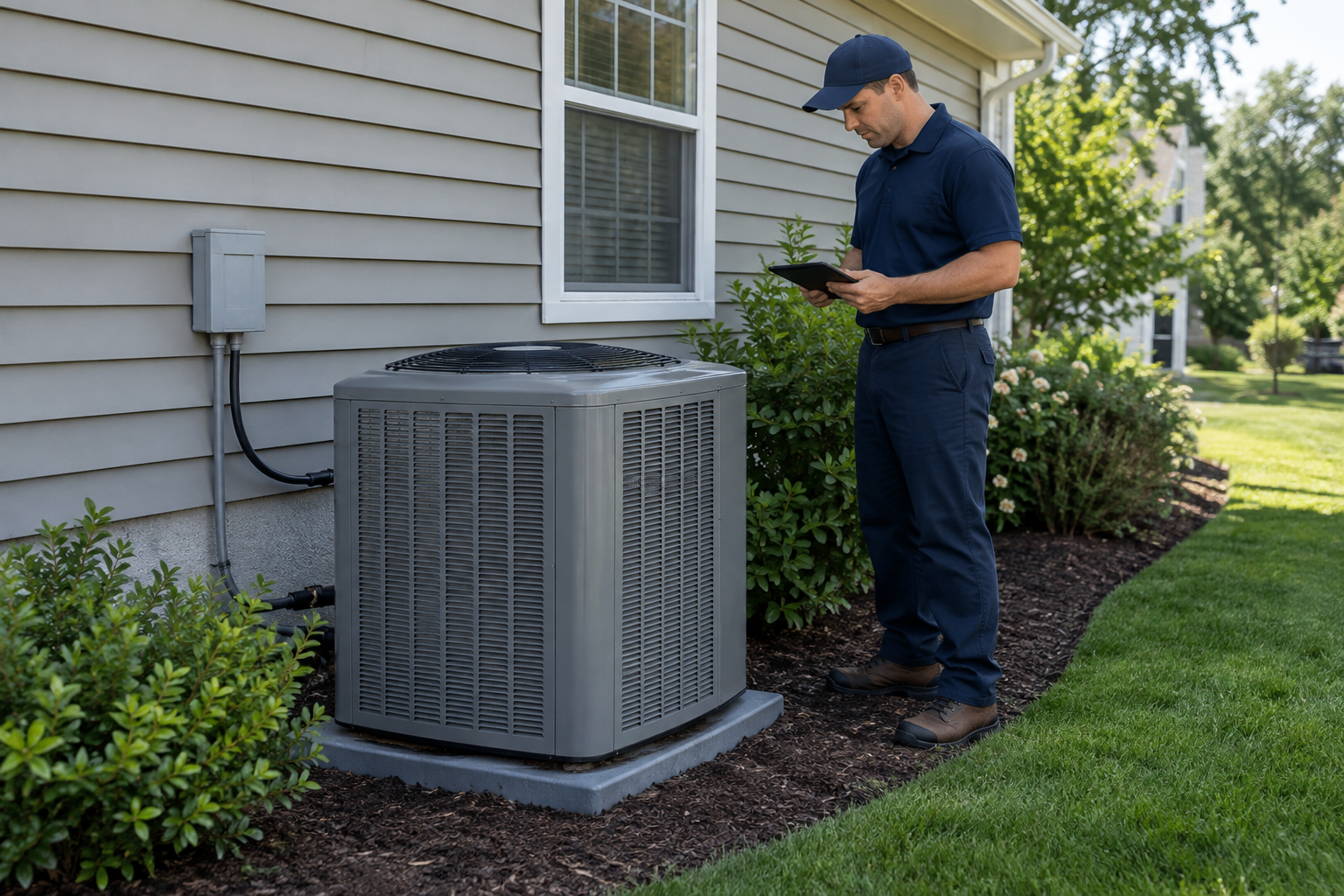
As the summer heat intensifies in Long Island, the reliability of your central air conditioning (AC) system becomes increasingly vital. Recognizing the signs that your AC may need replacing is essential for maintaining a comfortable indoor environment and avoiding unexpected breakdowns. This article aims to equip homeowners with the knowledge to identify critical indicators of AC failure, weigh the options for repair or replacement, and make informed decisions regarding the cost and efficiency of their cooling systems.
Through this guide, you will learn about common symptoms of failing AC units, factors to consider when deciding between repair and replacement, the estimated costs associated with replacing a central AC unit, and the benefits of upgrading to new energy-efficient models.

What Are the Common Symptoms of a Failing Central AC in Long Island?
Identifying the symptoms of a failing central AC is crucial for homeowners in Long Island. Common signs include:
- Frequent Breakdowns: If your unit requires constant repairs, it may be nearing the end of its lifespan.
- Unusual Noises: Sounds such as banging, screeching, or hissing can indicate significant mechanical issues.
- Rising Energy Costs: An unexpected increase in energy bills can signal inefficiencies in your system, meaning it may no longer operate optimally.
Recognizing these signs early can prevent costly repairs and improve indoor comfort during hot months.
How Do Physical and Performance Signs Indicate AC Replacement?
Physical and performance signs play a pivotal role in indicating whether an AC unit needs to be replaced. For instance, if you notice that rooms aren’t cooling evenly or the airflow from vents is weak, these inefficiencies can directly impact energy bills. Frequent issues like these suggest that the system may be wearing down, leading to increased operational costs and less effective cooling. Evaluating these performance metrics is crucial in determining the next steps for your home's HVAC system.
When Should Frequent Breakdowns Signal the Need for Replacement?
Frequent breakdowns should raise a red flag for homeowners. If your system requires multiple repairs within a single season, it may be more economical to replace it rather than continue investing in repairs. Assessing the lifespan of your central AC system—often around 15-20 years—can help clarify whether repairs will extend its effective life or lead only to more significant, recurring issues. Ultimately, weighing the cost-effectiveness of repairs versus the benefits of installing a new system can lead to long-term savings and enhanced comfort.
How to Decide Between Repair and Replacement of Your Long Island Central AC?
Deciding whether to repair or replace your AC system is critical and can be influenced by several key factors. Homeowners should initially evaluate the age of their unit, the severity of current issues, and any financial implications associated with either option.
What Factors Affect the Repair Versus Replacement Decision?
When considering whether to repair or replace your central AC, several factors come into play, such as:
- Age of the Unit: Older systems are often less efficient and more prone to failures.
- Severity of Repairs Needed: If repairs exceed 50% of the unit’s value, replacement may be a better investment.
- Energy Efficiency: Newer units often boast better energy ratings, potentially saving on utility costs over time.
These factors serve as a foundation for a thorough decision-making process, helping you understand the implications of your choice.
Which Repair Costs Predict Replacement Is More Economical?
To determine if replacement is more economical than repairing your AC unit, analyzing the projected costs of repairs is essential. If the total expenses of repairs and maintenance approach or exceed the cost of a new system, it might be time to consider replacement. For example, if you anticipate spending $1,000 on repairs for a 15-year-old unit, but a new, energy-efficient system costs around $3,000, replacing the unit could be a more financially sound decision in the long run.
What Is the Cost Estimate for Replacing a Central AC Unit in Long Island?
Replacement costs for central AC units in Long Island vary significantly based on local market factors, the type of unit, and installation specifics. Understanding these variables can aid in budgeting for a new system.
How Do Local Factors Influence AC Replacement Costs?
Factors such as the cost of living in your area, prevailing demand for HVAC services, and the specific requirements of your home can all impact the cost of replacing your central AC. For instance, installation logistics—like the need for additional ductwork—can further elevate costs. Being aware of these influences can ensure that you secure the best pricing possible for your new unit.
What Are the Latest Energy Efficiency Standards Affecting Replacement Costs?
With evolving energy standards, the latest guidelines set to affect AC replacement costs include higher efficiency ratings that many new systems must meet. According to 2023 regulations, units will be required to have higher Seasonal Energy Efficiency Ratio (SEER) ratings, potentially increasing the upfront cost but providing long-term savings on energy bills. Investing in compliant models not only adheres to regulations but also supports broader sustainability initiatives in the Long Island region.
Where Can You Find Trusted Long Island HVAC Replacement Services?
Finding a reliable HVAC contractor for your central AC replacement is essential for ensuring a successful installation. Given the range of options available, understanding what to look for in a contractor can simplify this process.
How to Identify Reliable HVAC Contractors Near You?
To identify trustworthy HVAC contractors, consider checking their ratings, reviews, and references from former clients. Recognize the importance of certifications and licenses, which ensure the contractor meets industry standards and possesses the necessary expertise. Instrumental insights can be gathered from local community forums and social media.
What Local Long Island HVAC Service Options Support AC Replacement?
Several local HVAC services specialize in AC replacements, each offering various benefits through competitive pricing and excellent customer service. Options may include family-owned businesses known for personalized service or larger chains with extensive support networks. Comparing these options helps residents find the best fit for their specific needs.
What Are the Benefits of Upgrading to New Energy-Efficient AC Models in Long Island?
Upgrading to new energy-efficient AC models provides myriad benefits for both homeowners and the environment. This transition is especially relevant as energy savings become a priority for many households.
How Does Energy Efficiency Translate to Lower Utility Bills?
Energy-efficient models often lead to significant savings on monthly utility bills. By consuming less energy to provide the same level of cooling comfort, these units can lower overall household expenditures. According to recent studies, households can save between 20% to 50% on cooling costs depending on their previous units.
Why Are New Models Better Suited for Long Island’s Climate?
Modern energy-efficient AC units are specifically designed to handle the unique climate challenges faced in Long Island. Their advanced technology can better manage humidity levels while cooling efficiently, which is critical for enhancing comfort during the high-temperature months. Improved cooling capabilities and humidity management can lead to a much more pleasant home environment for residents throughout the summer season.
Sources and further reading
- ENERGY STAR — heating and cooling equipment guidance
- PSEG Long Island — home energy efficiency programs
- U.S. Energy Information Administration — residential energy use
Related Home+ Air & Heat services
Talk to a local technician. Home+ Air & Heat serves Nassau County and western Suffolk with insured, EPA 608-certified technicians. Call (516) 259-1191 or book online.
Your Long Island HVAC team
Home+ Air & Heat55 Jericho Tpke, Suite 203
Jericho, NY 11753
Phone: (516) 259-1191
View us on Google Maps
Serving homeowners across Nassau County and western Suffolk County.