
Older Home HVAC Upgrade Options That Actually Work
Discover effective older home HVAC upgrade options. Ductless mini-splits deliver comfort, efficiency, and minimal disruption for your home.
Older Home HVAC Upgrade Options That Actually Work
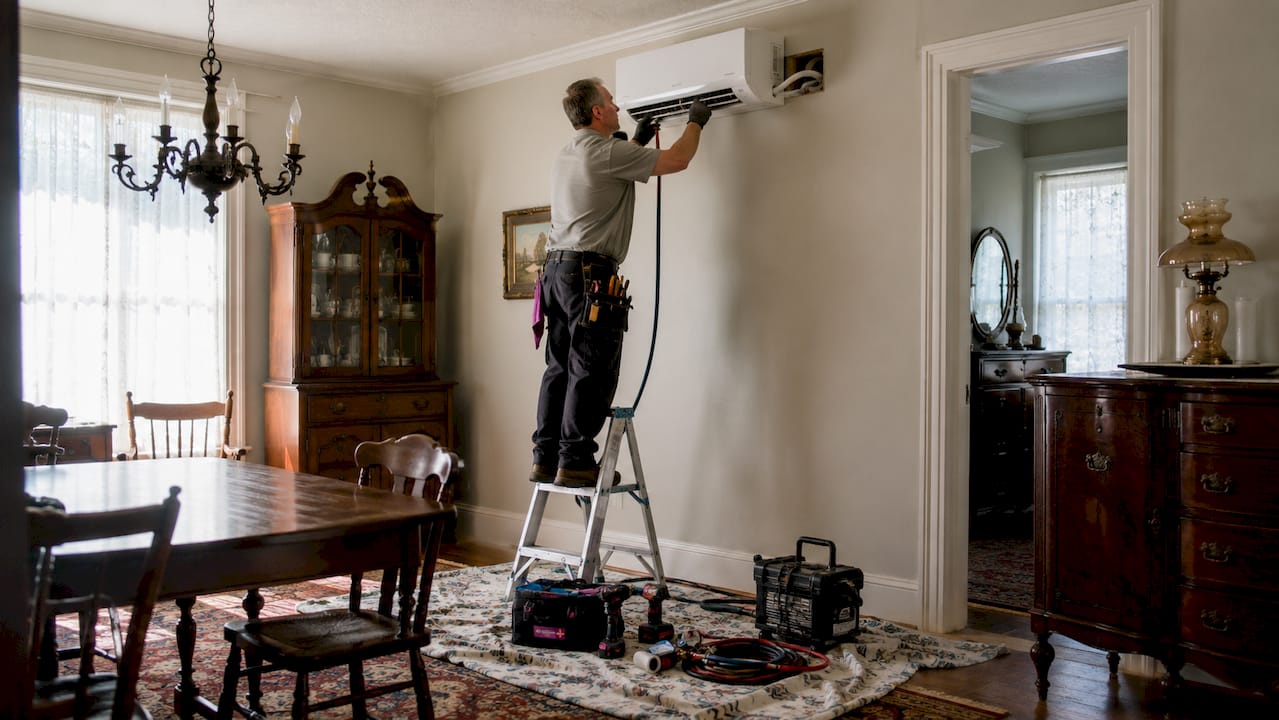
Ductless mini-split systems are the top HVAC upgrade option for older homes without existing ductwork, delivering zoned comfort, high energy efficiency, and minimal structural disruption. For Long Island homeowners dealing with pre-war layouts, plaster walls, and no central duct system, older home hvac upgrade options have never been more practical or affordable. Leaky ducts cause 20–30% energy loss, and inverter-driven mini-splits can cut cooling energy use by up to 60% by eliminating that loss entirely. Ductless systems also last 15–20 years with annual maintenance costs of just $150–$300. Industry standards like Manual J load calculations and EPA refrigerant guidelines apply to every upgrade path covered here.
1. Why ductless mini-splits are the best HVAC upgrade for older homes
Ductless mini-split systems solve the core problem older homes present: no ductwork, and no easy way to add it without tearing walls apart. A 2-zone mini-split installation costs $5,000–$9,000 and takes one to three days. A traditional ductwork retrofit runs $15,000–$30,000 and takes weeks. That cost gap alone makes mini-splits the default starting point for most homeowners.
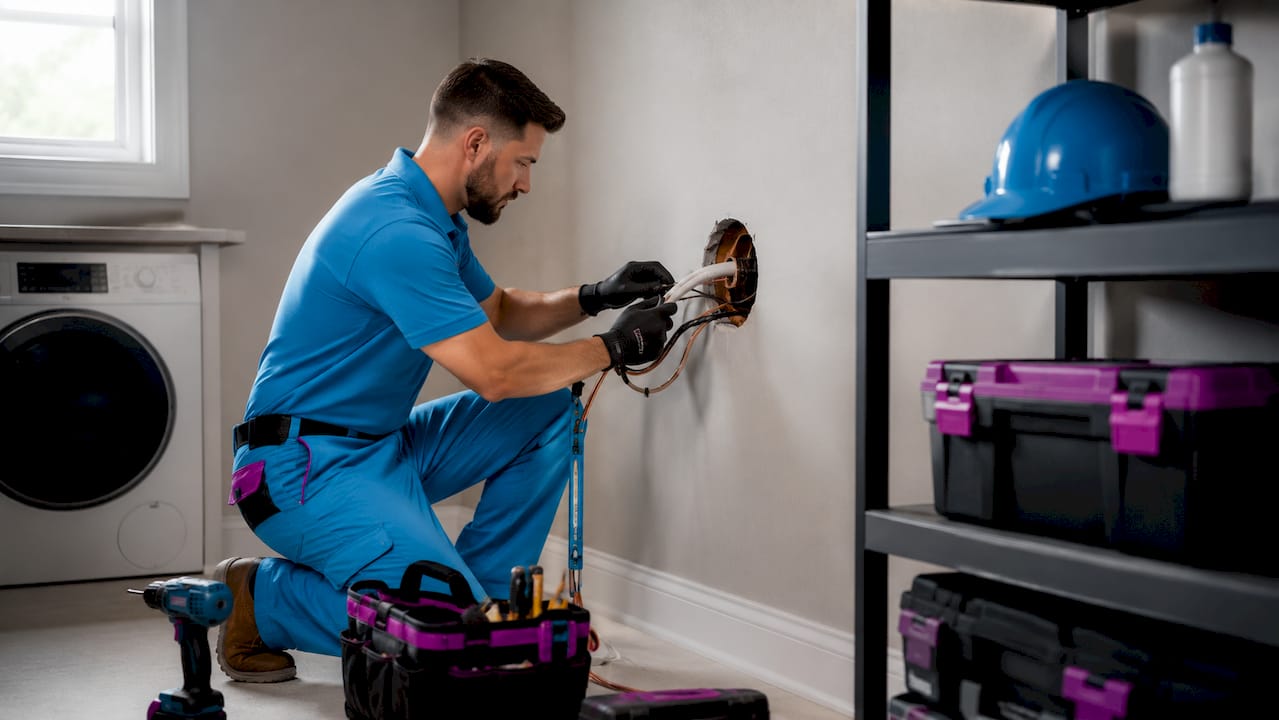
The installation footprint is remarkably small. Mini-splits require only a 3-inch wall penetration for refrigerant lines, which means your plaster, crown molding, and original woodwork stay intact. Technicians can route lines behind baseboards or inside closets to keep everything hidden. For historic properties, that matters as much as the efficiency numbers.
Zoning is another major advantage. Older homes rarely have open floor plans, so a single central system struggles to heat or cool every room evenly. Mini-splits let you set different temperatures in different rooms, which solves the “one room is freezing, one is sweltering” problem that plagues older houses with central systems.
Modern units now use R-454B refrigerant instead of the older R-410A, lowering the system’s global warming potential and improving efficiency ratings. Choosing R-454B-compatible equipment today protects your investment against future regulatory changes.
- No ductwork required
- Installation in one to three days
- Zoned temperature control per room
- 15–20 year lifespan with low annual maintenance costs
- Compatible with next-generation low-GWP refrigerants
Pro Tip: Ask your installer to route refrigerant lines inside a closet or behind existing molding. It adds minimal labor cost and keeps the installation invisible from the street, which matters for historic district compliance.
2. How high-velocity small-duct systems compare
High-velocity systems use smaller, flexible ducts and push air at higher speeds to condition a whole home from a central unit. They suit homeowners who want central air but dislike the look of wall-mounted mini-split heads. The ducts are about two inches in diameter, small enough to snake through existing wall cavities without major demolition.
The trade-off is cost. High-velocity systems cost 25–40% more than conventional central air for equipment alone, and installation is more involved than a mini-split job. They also run louder than mini-splits, though modern units include noise-reduction features like insulated duct liners and vibration-dampening mounts.
| Feature | Ductless mini-split | High-velocity small-duct |
|---|---|---|
| Ductwork required | None | Small flexible ducts |
| Installation time | 1–3 days | Several days to weeks |
| Zoning capability | Per room | Whole-home zones |
| Visible indoor units | Wall or ceiling mounted | Discreet ceiling vents |
| Relative equipment cost | Lower | 25–40% higher |
| Best for | Complex floor plans | Aesthetics-sensitive homes |
High-velocity systems work best when you want central air conditioning and heating without visible wall units, and you have enough wall or ceiling cavity space for the small ducts. For most older Long Island homes, mini-splits remain the more practical and affordable path.
3. Hybrid strategies: combining boilers with mini-splits
Many older homes already have a boiler and radiator system that works well for deep winter heating. Replacing a functional boiler is expensive and often unnecessary. The smarter move is a hybrid setup: keep the boiler for peak cold days and add mini-splits for shoulder-season heating and summer cooling.
Hybrid HVAC setups let you size the mini-split for average conditions rather than the coldest day of the year. That reduces upfront equipment cost significantly. The boiler handles the heavy lifting in january and february, while the mini-splits manage everything from march through november.
This approach also adds something most boiler-only homes lack entirely: air conditioning. A boiler cannot cool your home. Mini-splits can heat and cool, so the hybrid setup fills that gap without replacing the heating system you already own.
For sizing guidance on the heating side, the best furnace options for old houses depend on square footage, ceiling height, and insulation levels. A Manual J calculation from a certified technician gives you the most accurate numbers.
- Keep existing boiler for temperatures below 20°F
- Use mini-splits for heating between 20°F and 50°F
- Use mini-splits for all cooling needs
- Size mini-splits for average loads, not peak winter loads
- Reduce upfront cost by avoiding full system replacement
Pro Tip: Install a programmable thermostat that automatically switches between the boiler and mini-split based on outdoor temperature. This prevents the two systems from fighting each other and maximizes efficiency year-round.
4. What to fix before you upgrade your HVAC system
The most common mistake older homeowners make is installing a new HVAC system in a poorly insulated, leaky house. Older homes use roughly 40% more energy per square foot than newer construction because of thermal inefficiencies. A new mini-split in a drafty house will run constantly and still struggle to maintain comfort.
Address these four areas before any HVAC upgrade:
- Air sealing. Seal gaps around windows, doors, electrical outlets, and pipe penetrations. This is the highest-return improvement you can make before installing new equipment.
- Attic insulation. Heat rises. An under-insulated attic is the single biggest source of heat loss in most older homes. Bringing attic insulation up to current DOE standards reduces heating and cooling loads dramatically.
- Wall insulation. Blown-in insulation through small holes in existing walls adds R-value without opening walls. It costs less than a full wall renovation and makes a measurable difference.
- Electrical panel capacity. Many older homes need panel upgrades from 60 or 100 amps to 200 amps to support modern HVAC equipment. That upgrade costs $1,500–$4,000 and is non-negotiable for most mini-split or high-velocity installations.
An energy audit from a BPI-certified auditor identifies exactly where your home loses energy and helps you prioritize spending. Many utility companies in New York offer subsidized audits. Pairing insulation and air sealing improvements with your HVAC upgrade lets you install a smaller, less expensive system that performs better.
5. How to choose the right HVAC upgrade for your home
The right system depends on three factors: your budget, your floor plan, and how much disruption you can tolerate during installation. No single option wins on every dimension.
| Upgrade type | Typical cost | Installation disruption | Best fit |
|---|---|---|---|
| Ductless mini-split (2-zone) | $5,000–$9,000 | Very low | Most older homes |
| High-velocity small-duct | Higher than central air | Moderate | Aesthetics-first homes |
| Hybrid boiler + mini-split | Varies by mini-split size | Low | Homes with working boilers |
| Full duct retrofit | $15,000–$30,000 | High | Homes with open renovation plans |
Budget-conscious homeowners get the most value from a ductless mini-split. The installation is fast, the cost is predictable, and the energy savings are real. Homeowners who want invisible equipment and already have some wall cavity access may prefer a high-velocity system despite the higher price.
For homes with complex layouts, multi-zone mini-split systems outperform single-zone units. A single-zone unit conditions one room well. A multi-zone system with three or four indoor heads covers an entire floor plan without central ductwork.
Maintenance is a long-term cost that most homeowners underestimate. Ductless systems need professional service once a year, which runs $150–$300. High-velocity systems have more components and typically cost more to maintain. Factor that into your total cost of ownership calculation.
The energy efficiency gains from modern HVAC equipment also qualify for federal tax credits under the Inflation Reduction Act, which can offset 30% of installation costs up to applicable limits. Check current IRS guidance for 2026 eligibility requirements before purchasing.
- Single-zone mini-split: best for one or two rooms
- Multi-zone mini-split: best for whole-home coverage without ducts
- High-velocity: best when wall units are aesthetically unacceptable
- Hybrid: best when a working boiler already exists
- Full retrofit: only worth it during a major renovation
For insulation marketing and thermal envelope resources that complement your HVAC upgrade planning, home improvement specialists can help connect you with local contractors who handle both insulation and HVAC coordination.
Key takeaways
Ductless mini-split systems are the most cost-effective and least disruptive HVAC upgrade for older homes without existing ductwork, especially when paired with insulation and air sealing improvements.
| Point | Details |
|---|---|
| Mini-splits lead on cost | A 2-zone install runs $5,000–$9,000 versus $15,000–$30,000 for a duct retrofit. |
| Fix the envelope first | Older homes use 40% more energy per square foot; seal and insulate before upgrading equipment. |
| Hybrid systems save money | Keeping an existing boiler and adding mini-splits costs less than full system replacement. |
| Electrical upgrades are often required | Panel upgrades from 60 or 100 amps to 200 amps add $1,500–$4,000 to project cost. |
| Annual maintenance is low | Ductless systems cost $150–$300 per year to maintain and last 15–20 years. |
What I’ve learned after years of HVAC work in older homes
The biggest myth I run into is that older homes need central air to be comfortable. They don’t. Central air was designed for new construction with planned duct chases. Forcing it into a 1920s colonial means cutting through original plaster, boxing in ducts along ceilings, and spending two to three times what a mini-split would cost. The result rarely looks or performs better.
What actually works is treating the home as a system. The HVAC equipment is the last thing I look at, not the first. I want to know about the attic insulation, the window seals, the basement rim joists. A well-sealed older home with a properly sized mini-split will outperform a leaky house with the most expensive central air system on the market.
Historic properties on Long Island present a specific challenge I find genuinely interesting. The goal is to run refrigerant lines without touching original plaster or woodwork. Creative refrigerant routing through closets, behind built-ins, and inside existing chases makes that possible. It takes more planning, but the result is a system that looks like it was always there.
One maintenance tip that most homeowners miss: mini-splits are quiet by design. Any new unusual sound is an early warning sign. That makes diagnosis faster and repairs cheaper than with a traditional system where noise is constant background noise. Pay attention to your mini-split. It tells you when something is wrong before the problem gets expensive.
— Blake
Hometsair serves older Long Island homes with the right equipment and expertise
Older homes on Long Island come with real HVAC challenges: no ductwork, salt-air corrosion, aging electrical panels, and historic details worth protecting. Hometsair’s NATE-certified technicians handle all of it, from Manual J load calculations to discreet mini-split installations that preserve your home’s original character.

Hometsair offers same-day response, zero overtime fees, and a 90% first-visit fix rate. Current promotions include $1,000 off AC installations. Whether you need a new AC installation in Nassau County or want to schedule a full home assessment before choosing a system, Hometsair provides transparent pricing and certified service from the first call.
FAQ
What is the best HVAC system for an older home without ducts?
Ductless mini-split systems are the best option for older homes without ductwork. They cost $5,000–$9,000 for a 2-zone install, require only a 3-inch wall penetration, and deliver zoned comfort without structural damage.
How much does an HVAC upgrade cost for an older home?
Costs range from $5,000–$9,000 for a ductless mini-split to $15,000–$30,000 for a full duct retrofit. Electrical panel upgrades add $1,500–$4,000 if your home runs on 60 or 100 amps.
Do older homes need insulation upgrades before a new HVAC system?
Yes. Older homes use roughly 40% more energy per square foot due to poor insulation and air leaks. Sealing and insulating before installation lets you size the system smaller and reduces long-term energy costs.
How long do ductless mini-splits last in older homes?
Ductless mini-splits typically last 15–20 years with annual professional maintenance costing $150–$300. That lifespan exceeds most traditional ducted systems.
Can I keep my existing boiler and add air conditioning?
Yes. A hybrid setup keeps your boiler for peak winter heating while mini-splits handle shoulder-season warmth and all cooling. This approach costs less than replacing the boiler and adds AC capability your home currently lacks.