
What Does an HVAC Dual-Fuel System Mean?
Discover what an HVAC dual-fuel system means for energy efficiency and comfort. Learn how this setup can lower costs and enhance your home heating.
What Does an HVAC Dual-Fuel System Mean?
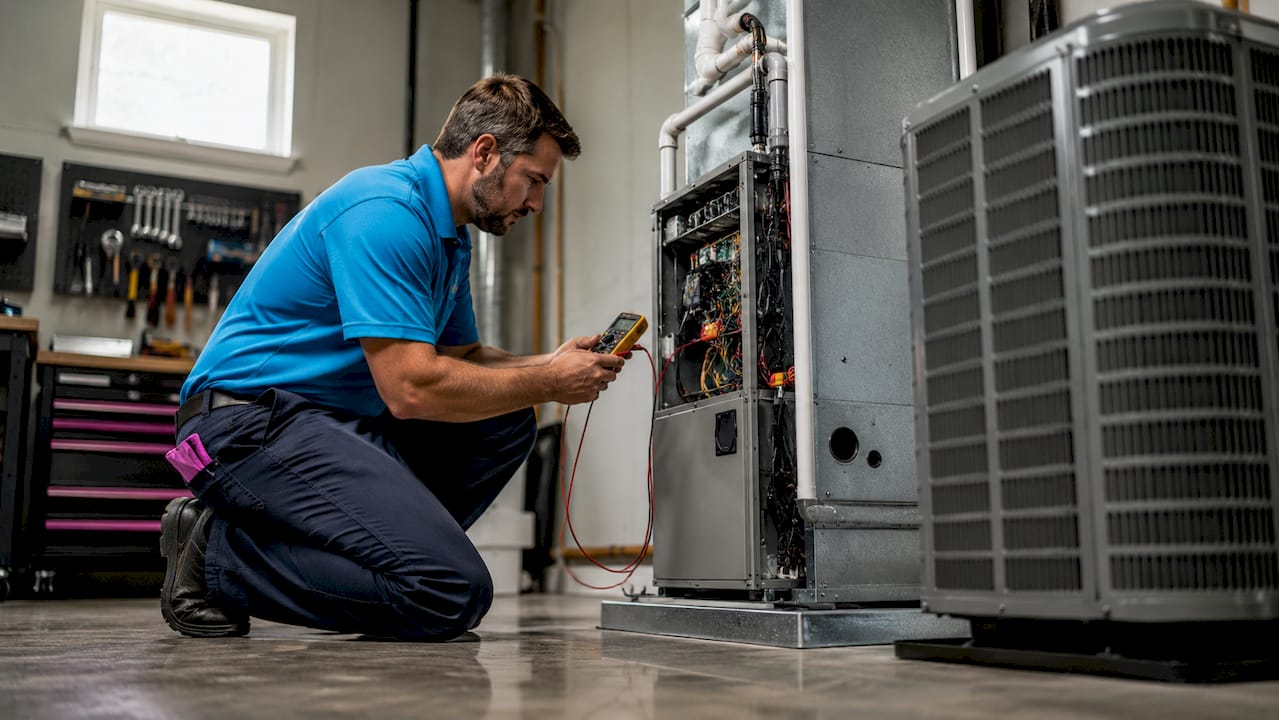
An HVAC dual-fuel system is defined as a hybrid heating setup that pairs an electric heat pump with a gas furnace, automatically switching between the two based on outdoor temperature to deliver the most efficient heating at any given moment. The U.S. Department of Energy recognizes this configuration as one of the most energy-efficient approaches to home heating in mixed climates. Understanding what a dual-fuel heating system means gives homeowners and property managers a real advantage when evaluating comfort, cost, and long-term energy strategy.
What does an HVAC dual-fuel system mean for your home?
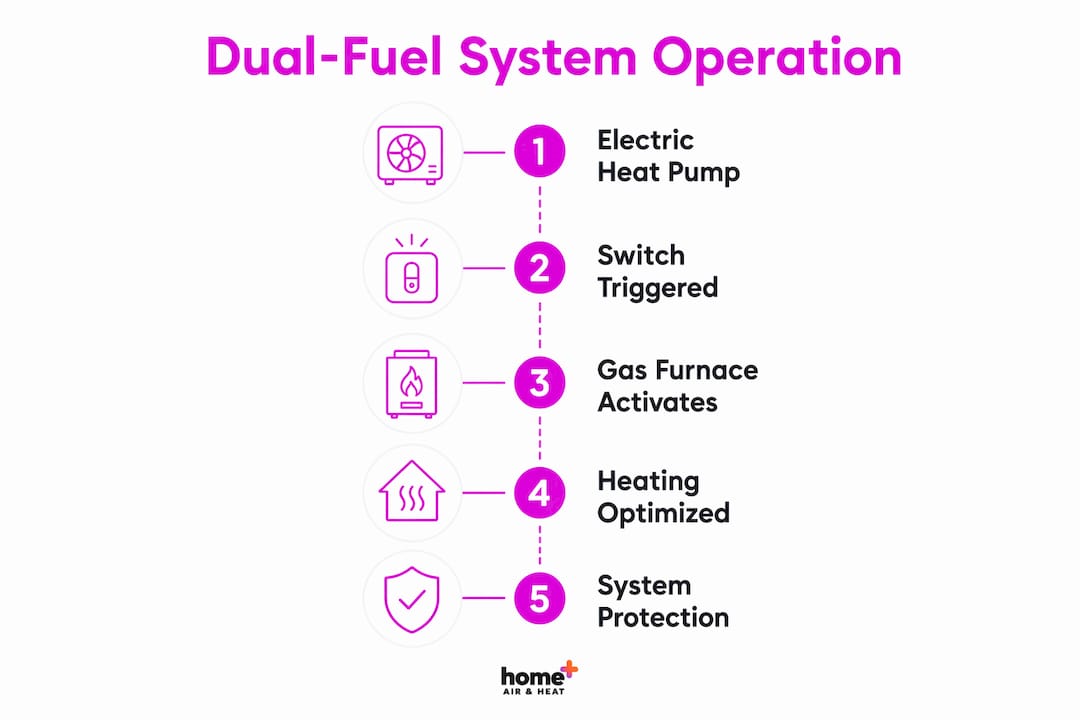
A dual-fuel HVAC system operates on a simple but powerful principle: use the cheapest and most efficient heat source for the current conditions. The electric heat pump handles heating and cooling during mild weather, when it runs far more efficiently than any combustion-based system. When outdoor temperatures drop below a programmed threshold, the gas furnace takes over automatically.
The industry term for this configuration is a “hybrid heat pump system,” and you will see it used interchangeably with “dual-fuel system” by HVAC engineers and contractors. Both terms describe the same setup. Knowing both helps you communicate clearly with technicians and read equipment specs without confusion.
The core advantage is that neither system is forced to work outside its efficiency range. Heat pumps excel above freezing. Gas furnaces excel in deep cold. A dual-fuel system uses each one exactly where it performs best.
How does a dual-fuel HVAC system work to optimize home heating?
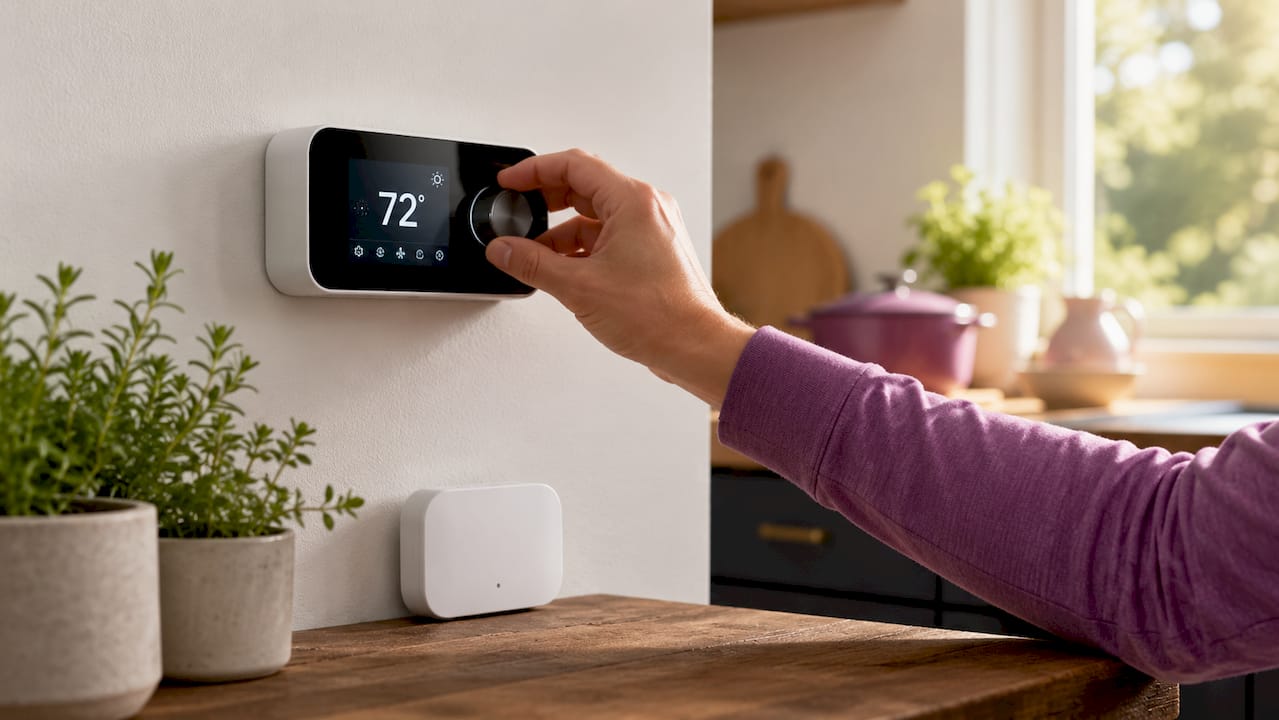
The switching mechanism is controlled by a specialized thermostat paired with an outdoor temperature sensor. When the sensor reads a temperature above the programmed balance point, the heat pump runs. When the temperature drops below that point, the system signals the furnace to take over.
The balance point is typically set between 30°F and 40°F. That range reflects the temperature at which a heat pump’s efficiency advantage disappears and the gas furnace becomes the cheaper option. Setting this point correctly is the single most important configuration decision in a dual-fuel installation.
Here is how each component functions within the system:
- Electric heat pump: Moves heat from outdoor air into your home during mild weather. Also handles all cooling in summer. Runs at high efficiency when temperatures stay above the balance point.
- Gas furnace: Activates when outdoor temps fall below the balance point. Delivers strong, consistent heat output even in sub-freezing conditions.
- Dual-fuel thermostat: Reads both indoor and outdoor temperatures. Directs which system runs. Prevents both systems from operating simultaneously.
- Outdoor temperature sensor: Feeds real-time data to the thermostat. Triggers the switchover at the correct moment.
One critical fact: the heat pump and furnace never run simultaneously for heating. Running both at once would damage equipment and waste energy. The thermostat prevents this by design.
Pro Tip: Never use a standard single-stage thermostat with a dual-fuel system. A dual-fuel compatible thermostat with an outdoor sensor is required to prevent simultaneous operation and protect both units from damage.
What are the benefits and advantages of a dual-fuel HVAC system?
The efficiency gains are the headline benefit. Electric heat pumps reduce heating energy use by 30–60% compared to running a furnace alone during mild weather. That reduction translates directly into lower utility bills for the months when temperatures hover above the balance point.
Beyond efficiency, dual-fuel systems offer something single-source systems cannot: built-in redundancy. If one system fails or fuel prices spike, the other takes over.
“Dual-fuel systems function as a risk-management tool for homeowners. Two energy sources reduce exposure to fuel price volatility and protect comfort during equipment failures or cold snaps when demand on utilities peaks.” — ACHR News
The practical benefits stack up quickly:
- Lower heating bills during fall and spring when the heat pump runs most of the time
- Reliable heat in extreme cold when the furnace handles temperatures the heat pump cannot manage efficiently
- Protection against energy price swings because you are never locked into a single fuel source
- Year-round cooling from the heat pump component, so you are not paying for a separate AC unit
Homeowners in mixed climates, where winters are cold but not consistently brutal, get the most value. The heat pump covers the majority of heating hours, and the furnace steps in only when truly needed. That split keeps fuel costs low across the full heating season.
Homeowners interested in broader energy independence can also pair a dual-fuel system with home energy storage strategies to further reduce grid dependence during peak demand periods.
What are the costs and maintenance considerations for dual-fuel systems?
Installation cost is the most common sticking point. A dual-fuel system costs an average of $15,000, with a typical range of $10,000 to $20,000 depending on your home’s existing infrastructure.
| Cost factor | Impact on total price |
|---|---|
| Electrical panel upgrades | Adds $1,000–$3,000 if panel cannot support heat pump load |
| Ductwork modifications | Adds $2,000–$5,000 for homes with undersized or absent ducts |
| Equipment tier | Higher-efficiency units increase upfront cost but reduce operating costs |
| Labor and permits | Varies by region; Long Island coastal homes may require additional work |
Maintenance is more complex than a single-source system. You are running two mechanical systems, and both need regular servicing. The heat pump requires annual inspection of refrigerant levels, coils, and electrical connections. The furnace needs burner cleaning, heat exchanger inspection, and filter changes. Separate servicing needs for each unit increase long-term upkeep costs compared to a single-source HVAC setup.
The balance point setting also needs periodic review. Optimal switchover depends on your local electricity and gas rates, which change over time. If gas prices rise sharply, lowering the balance point so the heat pump runs longer saves money. A qualified technician should review this setting annually.
Pro Tip: Schedule both the heat pump and furnace inspections in the same service visit. Many HVAC companies charge a single trip fee, and combining the visits cuts your annual maintenance cost significantly.
How to decide if a dual-fuel system is right for your home?
Not every home benefits equally from a dual-fuel setup. The decision comes down to four factors: climate, existing infrastructure, energy prices, and budget.
- Assess your climate. Dual-fuel systems deliver the best return in mixed climates where winters include both mild stretches and occasional cold snaps. Homes in consistently frigid regions may find a high-efficiency furnace alone more cost-effective.
- Check your existing infrastructure. If you already have a gas line and an aging furnace, adding a heat pump to create a dual-fuel system is often more affordable than replacing the furnace entirely. If your home has no gas line, the installation cost rises significantly.
- Compare your local energy prices. The efficiency advantage of a dual-fuel system depends on the price gap between electricity and natural gas in your area. When electricity is cheap relative to gas, the heat pump runs more and saves more.
- Consider your electrical panel. Heat pumps require a dedicated circuit. Older homes with smaller panels may need an upgrade before installation is possible.
- Look at cold-climate heat pump technology. Advanced heat pumps now operate efficiently at temperatures well below freezing, narrowing the gap with gas furnaces. In some climates, a cold-climate heat pump alone may be sufficient without the added complexity of a dual-fuel setup.
Reviewing your HVAC upgrade options before committing to a dual-fuel installation helps you compare total costs and savings across different system configurations.
Key takeaways
A dual-fuel HVAC system delivers the best heating efficiency by using an electric heat pump for mild weather and a gas furnace for deep cold, with a specialized thermostat controlling every switchover automatically.
| Point | Details |
|---|---|
| Core definition | A dual-fuel system pairs a heat pump with a gas furnace, switching automatically by outdoor temperature. |
| Efficiency advantage | Heat pumps reduce heating energy use by 30–60% compared to furnaces during mild weather. |
| Installation cost | Average cost is $15,000, ranging from $10,000 to $20,000 based on home infrastructure. |
| Maintenance complexity | Both the heat pump and furnace require separate annual servicing, increasing upkeep costs. |
| Best fit | Mixed climates with existing gas infrastructure and variable electricity and gas prices benefit most. |
Why the balance point is the detail most homeowners miss
Most articles on dual-fuel systems spend all their time on the heat pump versus furnace debate. The real leverage point is the balance point setting, and almost nobody talks about it clearly.
I have seen homeowners install a perfectly good dual-fuel system and then leave the balance point at the factory default of 35°F for years. That default is a guess. It does not account for your specific electricity rate, your gas rate, or how well your home holds heat. In a home with good insulation, the heat pump can run efficiently at lower temperatures than the default assumes. In a drafty older home, the furnace may need to kick in sooner.
The uncomfortable truth is that a misconfigured balance point can erase most of the efficiency savings a dual-fuel system is supposed to deliver. You pay for two systems and get the savings of neither. Getting a technician to calculate the correct balance point using your actual utility rates and your home’s heat loss characteristics is not optional. It is the step that makes the investment worth it.
The future outlook is also worth keeping in mind. Cold-climate heat pump technology is improving fast. Within the next decade, many homeowners in moderate climates may find that a single advanced heat pump handles their full heating load without a furnace backup. If you are installing a dual-fuel system now, choose equipment with strong efficiency ratings and plan for the possibility that the furnace component becomes less necessary over time. That flexibility protects your investment. You can also review strategies for maximizing your heating efficiency to get the most from whatever system you have in place.
— Blake
Hometsair’s approach to dual-fuel HVAC installation on Long Island
Dual-fuel systems deliver real savings only when they are installed and configured correctly from day one. Hometsair’s NATE-certified technicians handle the full installation process, from equipment selection to balance point calibration, with transparent pricing and no overtime fees.
Long Island’s coastal climate adds complexity that generic installation guides ignore. Salt-air corrosion affects heat pump coils, and many older homes on the island lack the ductwork or electrical capacity a dual-fuel system requires. Hometsair’s team assesses all of these factors before recommending a system. For homeowners in Nassau County and surrounding areas, local HVAC services from a team that knows the region’s specific conditions make a measurable difference in long-term system performance and comfort.
FAQ
What is a dual-fuel HVAC system in simple terms?
A dual-fuel HVAC system combines an electric heat pump and a gas furnace in one setup. The system automatically switches between the two based on outdoor temperature to deliver efficient heating year-round.
How does the switchover between heat pump and furnace work?
A specialized thermostat with an outdoor temperature sensor triggers the switch. When outdoor temps fall below the programmed balance point, typically between 30°F and 40°F, the furnace takes over from the heat pump.
Is a dual-fuel system worth the cost?
For homeowners in mixed climates with existing gas infrastructure, the answer is yes. Heat pumps reduce heating energy use by 30–60% during mild weather, and the furnace covers extreme cold efficiently, lowering total annual heating costs.
Can a dual-fuel system run both the heat pump and furnace at the same time?
No. The heat pump and furnace never operate simultaneously for heating. The thermostat prevents this to protect equipment and avoid wasted energy.
How much does a dual-fuel HVAC system cost to install?
Installation costs average $15,000, with a range of $10,000 to $20,000. Electrical panel upgrades, ductwork modifications, and equipment tier are the main factors that push costs higher.