
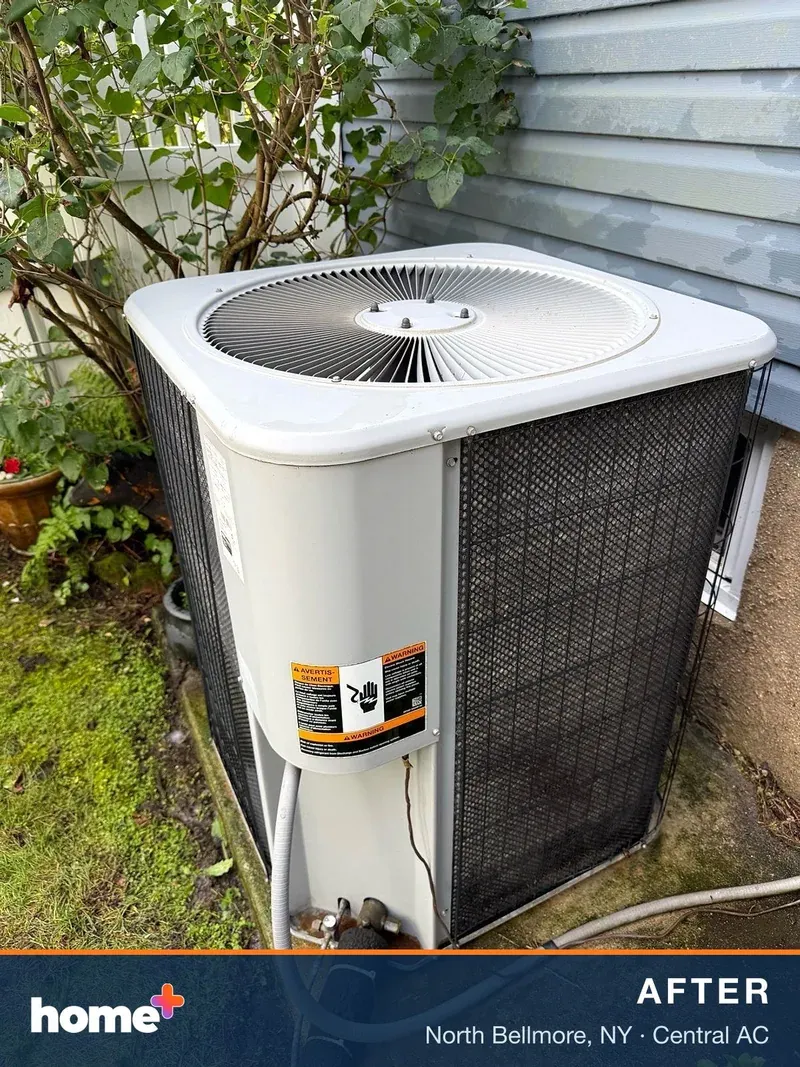
 Repair
North Bellmore, NY·Central AC
No-Cool AC Repair: Failed Capacitor Replaced in North Bellmore
See the job
Town of Hempstead
Everything Bellmore homeowners need to know about hvac permits, the inspection process, and why doing it right protects your family and investment.
Furnace replacement
Nassau County homes range from 50 to 100+ years old. Each era brings unique challenges that affect furnace replacement permits and inspections.
Homes built before 1970 often have 60-100 amp panels. Modern furnaces with ECM motors and electronic ignition may require panel upgrades.
Old masonry chimneys may not be suitable for high-efficiency furnaces. You may need a chimney liner or switch to direct venting.
Many pre-1980 homes have asbestos insulation on ductwork. This must be professionally handled before duct modifications.
Cape Cod and ranch homes often have 6-7 foot basement ceilings. Equipment selection and placement become critical.
Original gas lines may not support higher-BTU modern furnaces. Upsizing requires a separate gas permit.
Many older homes have single-return systems that don't match modern equipment airflow requirements.
We know older Nassau County homes inside and out. Free assessment includes permit planning.
Emergency replacement
When your heating or cooling system fails unexpectedly, you can't wait 3-7 days for permit approval. Nassau County jurisdictions understand this—here's how emergency replacements work.
Reputable contractors understand emergencies. They'll respond quickly and begin work right away to restore your heat or cooling—especially critical in extreme weather.
Your contractor installs the replacement system to restore comfort and safety. They'll document everything for the upcoming permit application.
Your contractor files the permit with Town of Hempstead on the next business day. Building departments accept post-installation permits for genuine emergencies.
Inspector verifies the installation meets code. Because the work was done by a licensed professional following manufacturer specs, inspections typically pass without issues.
"Emergency" doesn't mean "skip the rules." It means timing is different:
Fast replacement when your system fails. Call now for immediate response.
Heat pump conversion
Converting from gas or oil to an all-electric heat pump is more complex than a simple replacement. Multiple permits and inspections are typically required.
For the heat pump unit installation, refrigerant lines, and ductwork modifications.
$75 - $150
Heat pumps require 200-240V circuits. Most homes need panel upgrades from 100A to 200A.
$100 - $200
Capping gas lines requires a separate permit. Utility company must be notified.
$75 - $125
Each permit requires its own inspection. Plan for 2-3 separate inspection visits.
Most Bellmore homes built before 1990 have 100-amp or 150-amp panels. Heat pumps typically require 200-amp service.
Before signing any contract:
The federal Energy Efficient Home Improvement Credit (25C) is unavailable for property placed in service after December 31, 2025.
Current PSEG Long Island, New York State, or manufacturer incentives may still apply. Eligibility depends on the equipment, system design, customer, contractor, and program rules in effect when you apply.
Review current rebate guidanceAsk for the incentive amount and eligibility requirements in writing before signing.
HVAC, electrical, and gas disconnect work planned as one project, priced in writing before you sign.
Hybrid heating
A hybrid system combines a heat pump with your existing furnace, automatically switching between them for maximum efficiency and reliability.
*Switchover points are customizable based on your preferences and local energy costs
Hybrid installations typically require two permits:
Good news:
Your existing gas line stays active—no gas disconnect needed.
Free consultation to determine if hybrid is right for your home. All permits handled.
HVAC repair
Good news: most routine HVAC repairs don't require permits. Here's how to know when you need one and when you don't.
These routine repairs and maintenance tasks don't need permits:
These modifications go beyond repair and require permits:
Component-Level Repair
Replacing a part inside your existing system
= Usually NO permit
System-Level Change
Replacing the entire unit or modifying infrastructure
= Permit REQUIRED
Some repairs fall into gray areas. When in doubt, a quick call to Town of Hempstead's building department can clarify:
We'll diagnose the issue and let you know upfront if permits are needed. No surprises.
350 Front Street, Hempstead, NY 11550
Online permit portal available
Bellmore is a charming South Shore community known for its walkable downtown and strong community identity. The housing stock spans from early 20th century to modern construction, requiring contractors to adapt to various building styles and code eras.
The permit fee is insurance against the risks of unpermitted work. Is saving $200 worth risking $50,000+?
Properties near Bellmore Creek are often in flood zones. Check FEMA maps before any ground-level installation. Equipment elevation may be required even if previous installations weren't elevated.
Bellmore's busy downtown can complicate contractor access for homes near Bedford Avenue and Sunrise Highway. Discuss parking and equipment delivery logistics beforehand.
Bellmore has homes from the 1920s through the 2020s. Older homes may have outdated wiring, asbestos insulation, or undersized ductwork. Request a thorough pre-installation assessment.
Bellmore has active community groups where residents share contractor recommendations. Research before hiring—local reputation matters in this close-knit community.
Originally part of the Town of Hempstead, Bellmore developed as a railroad suburb in the early 1900s. The community takes pride in its small-town character and has resisted incorporation to maintain its relationship with the town.
Typical Wait Time
3-5 business days
Best Days to Schedule
Standard Town of Hempstead scheduling. Wednesday and Thursday typically have the best availability.
Inspectors are thorough with flood zone compliance in Bellmore given the creek and bay proximity. Expect detailed review of equipment elevation documentation.
Generally higher elevation with reduced flood concerns. Standard installation requirements apply.
Near downtown and train station. Parking and access can be limited. Plan deliveries carefully.
Commercial corridor nearby means some noise ordinance flexibility for daytime work.
Closer to South Bay. Higher flood zone likelihood. Verify FEMA designation.
Licensing, insurance, and EPA certification protect you if something goes wrong. Ask for the contractor's licensing status, proof of insurance, and EPA 608 certification, and verify them.
Red Flag Answer
Refuses to discuss credentials, won't provide proof of insurance, or claims to 'work under someone else's license' without proof
Green Flag Answer
Openly explains their licensing status and readily provides insurance and EPA certification documentation
What matters is that the required permits actually get pulled and the work gets inspected — whether the contractor files directly or arranges the filing through a licensed party. The real red flag is a contractor who wants to skip permits altogether.
Red Flag Answer
'You can save money if we skip the permit' or 'Permits aren't really necessary for this'
Green Flag Answer
'The required permits will be pulled and the work inspected — you'll see exactly what's involved in your written proposal.'
This clarifies the total cost and confirms they actually plan to get a permit. If permits aren't mentioned in quotes, they may not be planning to get one.
Red Flag Answer
Vague answers or separate 'permit add-on' that seems designed to discourage you from getting one
Green Flag Answer
Clear explanation of permit costs and what's included
The installing contractor should be present to address any questions the inspector has. If they expect you to handle the inspection alone, that's concerning.
Red Flag Answer
'You can handle it' or 'Inspections are just a formality'
Green Flag Answer
'We schedule and attend all inspections. It's our responsibility.'
This reveals how they handle problems. Responsible contractors fix issues at no additional charge because they should have done it right initially.
Red Flag Answer
Defensiveness or suggesting you argue with the inspector
Green Flag Answer
'If there's an issue, we fix it. That's why we get things right the first time.'
Local references mean they know local code requirements and have successfully passed inspections in your jurisdiction.
Red Flag Answer
Can only provide references from other areas or claims they can't share customer information
Green Flag Answer
Provides local references and may even mention specific inspectors by name
Workers' compensation and liability insurance protect you if someone is injured on your property or if work causes damage.
Red Flag Answer
Claims they're insured but can't produce documentation
Green Flag Answer
Offers to email certificate immediately and explains what's covered
Experience with your specific type of project matters. Heat pump installations require different expertise than furnace replacements.
Red Flag Answer
Vague answers or changing the subject to overall company years
Green Flag Answer
Specific experience with your project type and examples of similar work
Almost always false for HVAC equipment installation or replacement. This is the most common sign of a corner-cutting contractor.
What to do instead: Verify with your local building department. If they say a permit is required, don't hire this contractor.
Yes, permits take time and money - because they ensure your family's safety. A contractor who sees permits as an obstacle rather than a protection doesn't share your priorities.
What to do instead: The 'cost' of a permit is tiny compared to the risks of unverified work. Choose a contractor who values safety.
They often find out when you sell your home, file an insurance claim, or when something goes wrong. This also reveals the contractor's ethical standards.
What to do instead: If a contractor is willing to hide work from inspectors, what else are they willing to hide from you?
This isn't generosity - it's the contractor avoiding accountability. Without a permit, there's no official record of who did the work and no inspection to verify safety.
What to do instead: The 'discount' isn't worth the risk. This contractor is more focused on avoiding oversight than protecting you.
Weekend-only availability and cash-only payment leave no paper trail, and no paper trail means no recourse.
What to do instead: Legitimate contractors work during business hours, accept multiple payment forms, and provide receipts.
A contractor who wants to rush past the permit and inspection step is putting their schedule ahead of your safety and legal protection.
What to do instead: A contractor too busy for permits is too busy for proper work. Move on to someone with professional standards.
A contractor who won't discuss credentials or provide proof of insurance is one you can't verify. Reputable contractors are open about their licensing status and insurance.
What to do instead: Ask for proof of insurance and their licensing status in writing, and verify licensing with Nassau County's database.
Legitimate businesses have physical locations. P.O. Box-only addresses make it difficult to find the contractor if problems arise.
What to do instead: Verify the business address exists and is associated with the contractor.
Legitimate contractors give you time to consider options and check references. High-pressure sales tactics are designed to prevent you from doing due diligence.
What to do instead: Any contractor who won't wait while you verify their credentials isn't worth hiring.
Industry standard is around 25-30% deposit with the rest due upon completion. Larger deposits protect the contractor, not you.
What to do instead: Negotiate payment terms that protect you: deposit to start, progress payments, final payment after inspection approval.
If the building department discovers unpermitted work in progress, they can issue a stop-work order. All work must cease until permits are obtained and the work passes inspection. This can add weeks to your project.
Nassau County municipalities can fine homeowners $500 to $5,000+ for unpermitted work. Fines may be per-day for ongoing violations and can be applied to both the homeowner and the contractor.
Building departments can require unpermitted work to be removed so they can inspect what's behind walls. This often means tearing out finished work, rebuilding it correctly, and paying for all that additional labor twice.
Homeowner insurance policies typically require compliance with local codes. Unpermitted work can void coverage for related claims - fires, water damage, injuries - leaving you personally liable for costs.
Buyer inspections often check permit records. Unpermitted work must be disclosed and can derail sales, require price reductions, or force you to obtain retroactive permits and fix violations before closing.
If unpermitted work causes injury to a family member, guest, or future owner, you may be personally liable. The contractor who did the work typically isn't liable for work you didn't require them to permit.
Some violations can result in liens against your property. These must be resolved before you can sell or refinance, and may accrue interest and penalties over time.
Routine maintenance like changing furnace filters doesn't require permits. This is homeowner maintenance.
Replacing a thermostat with a similar model (non-smart, same voltage) typically doesn't need a permit. Smart thermostats that require new wiring may need electrical permits.
Annual tune-ups, cleaning coils, checking refrigerant, lubricating motors - these are maintenance tasks, not construction.
Replacing a blower motor with an identical model, fixing a ignitor, repairing control boards - like-for-like component repairs typically don't need permits.
Replacing a part with an identical part (same BTU rating, same location, same connections) is usually considered repair, not replacement.
Even 'like-for-like' equipment replacements require permits because they involve gas connections, venting, and electrical work that must be inspected.
Heat pump installations involve electrical work, refrigerant lines, and often require load calculations to verify proper sizing.
Modifying the duct system affects air balance, fire safety, and structural components - all requiring inspection.
Any work on gas lines - moving, extending, or modifying - requires permits due to explosion and fire risks.
Many HVAC upgrades require additional electrical capacity. Panel work always requires electrical permits.
Adding a system where none existed before (like adding AC to a heating-only home) requires full permitting.
Converting from oil to gas, or gas to electric, involves significant work that must be inspected.
When in doubt, call Town of Hempstead Building Department at (516) 812-3500.
They'll tell you exactly what's required for your specific project.
Recent work
Recent published projects with real equipment photos and the work performed.
RepairNorth Bellmore, NY·Central AC
See the job
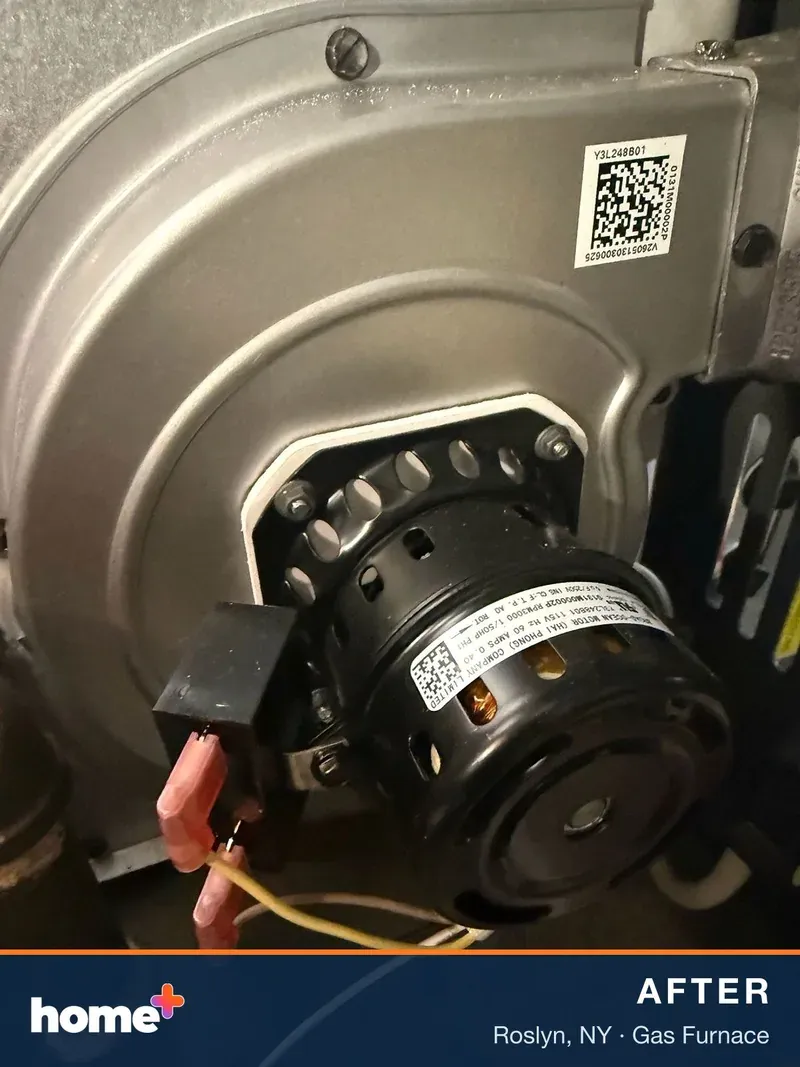 Repair
Roslyn, NY·Gas furnace
See the job
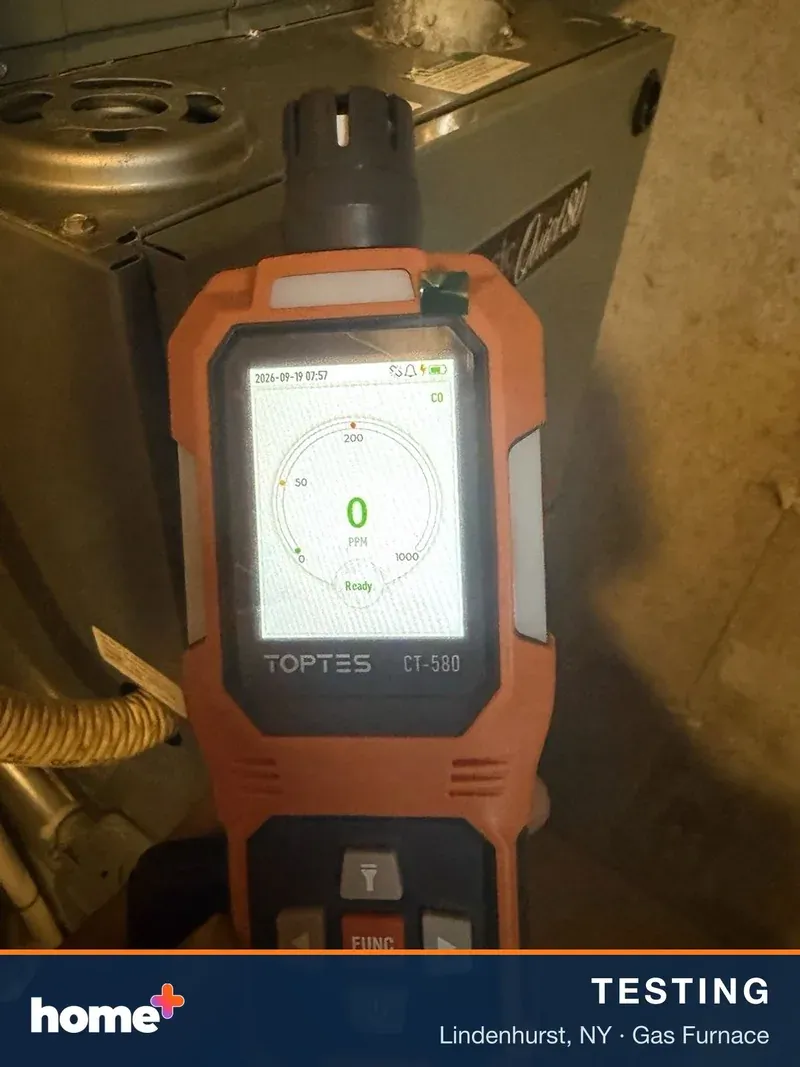 Maintenance
Lindenhurst, NY·Gas furnace
See the job
Photos enhanced for clarity.
We've been working with Town of Hempstead for years. We know the requirements, the inspectors, and the process inside and out.
Full scope and price before you sign - no surprises
Every install includes a Manual J load calculation
Fully insured, with EPA 608-certified technicians
Instant Quote Available
See instant pricing in 30 seconds. No commitment required. Schedule your free home visit today.
Get Instant Quote