
Prevent Heating Emergencies: Your Winter Prep Guide
Learn how to prevent heating emergencies this winter with our essential prep guide. Keep your home warm and safe with simple maintenance steps.
Prevent Heating Emergencies: Your Winter Prep Guide
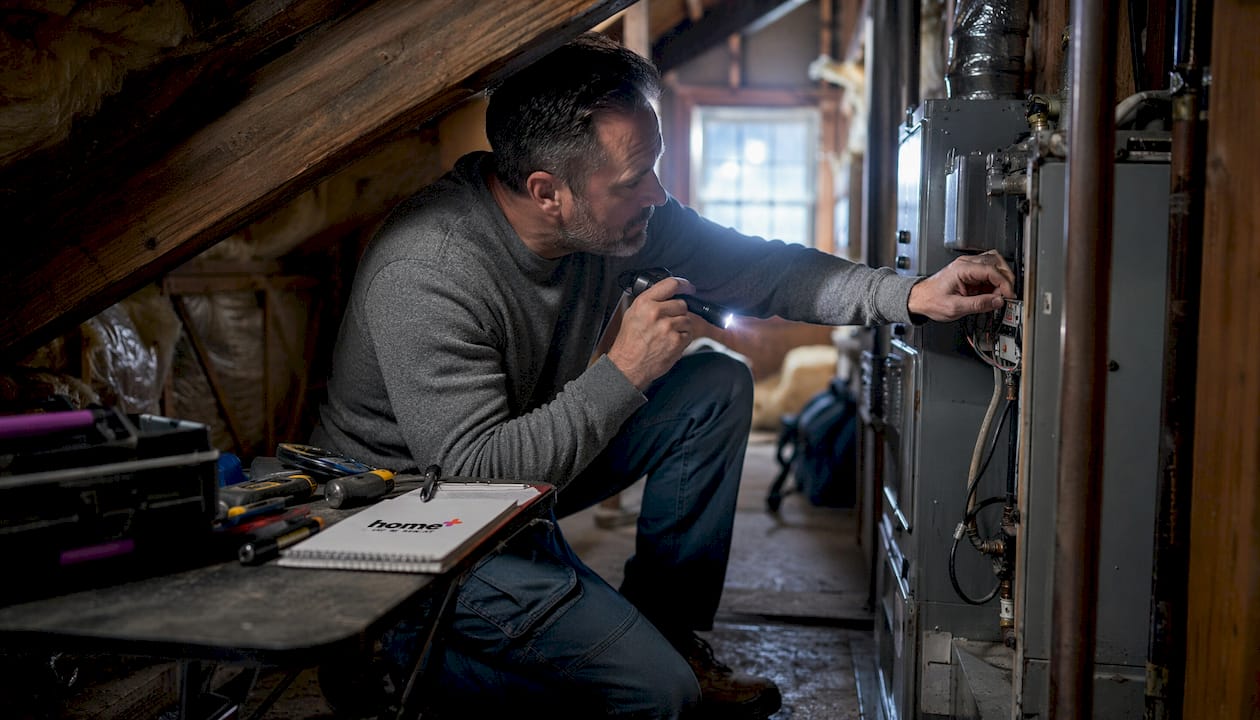
Preventing heating emergencies through winter prep is defined as the systematic process of inspecting, maintaining, and safety-checking your home’s heating system before and during cold weather. Over 75% of winter no-heat emergencies between november and december are preventable with basic pre-season maintenance. That number means most cold-night breakdowns are not bad luck. They are the result of skipped tune-ups, dirty filters, and ignored warning signs. The U.S. Consumer Product Safety Commission (CPSC) sets safety standards for heating equipment use, and following those guidelines protects both your system and your family. This guide gives you a clear, step-by-step plan to avoid heating failures this winter and keep your home consistently warm.
What pre-season steps prevent heating emergencies in winter prep?
Proactive maintenance is the single most effective way to avoid a no-heat emergency. Booking a furnace tune-up in early fall, before temperatures drop into the 30s, keeps you ahead of the seasonal rush and catches problems while repair costs are still reasonable.
-
Schedule a professional tune-up in september or october. A NATE-certified technician will inspect heat exchangers, test ignition, check refrigerant levels, and clean burners. Catching a cracked heat exchanger in october costs far less than an emergency call in january.
-
Replace or clean air filters monthly during heavy use. Dirty air filters restrict airflow, causing the system to overheat and trigger a safety shutdown. Homeowners often mistake this lockout for a furnace failure, when a $10 filter swap would have fixed it.
-
Clear outdoor equipment and vents regularly. Snow and ice block exhaust vents and suffocate outdoor heat pump units. Maintain at least 12–24 inches of clear space around outdoor units throughout the season.
-
Verify thermostat operation before the first cold snap. Set it to heat mode and confirm the system responds within a few minutes. If it does not, check the batteries and circuit breaker before calling for service.
-
Avoid aggressive thermostat setbacks during cold snaps. Heat pumps in recovery mode use auxiliary electric strips that consume 2–3 times more electricity than normal operation. Keeping a steady temperature is cheaper and easier on your system than letting the house go cold overnight.
Pro Tip: Set a calendar reminder for the first week of september to book your annual tune-up. Technician availability drops sharply once october arrives and the first cold front hits.
How do you implement safety measures to avoid winter heating hazards?
Heating safety goes beyond keeping your furnace running. It means protecting your household from carbon monoxide (CO) poisoning, fires, and generator accidents. These hazards spike every winter, and most are entirely avoidable.
-
Install CO alarms on every home level and outside sleeping areas. Carbon monoxide is a silent threat linked to neglected combustion heating systems. Test each alarm monthly and replace batteries at the start of the heating season. For a deeper look at what causes CO buildup, the CO sources in your home guide covers the most common culprits.
-
Keep portable space heaters at least 3 feet from curtains, bedding, and furniture. Electric space heaters cause an average of 1,600 residential fires per year, according to CPSC reports. Plug them directly into wall outlets. Never use an extension cord.
-
Never use grills, gas ovens, or camp stoves indoors for heat. These produce dangerous levels of CO in minutes. The same rule applies to charcoal.
-
Operate generators outdoors only, at least 20 feet from the home. Generators produce lethal CO levels rapidly. Point the exhaust away from windows and doors, and never run a generator in a garage, even with the door open.
-
Turn off space heaters before sleeping or leaving a room. Refuel portable kerosene heaters outdoors only, and only after the unit has cooled completely.
The CPSC is direct on this point: carbon monoxide alarms are the primary life safety device for any home using combustion heating. Without one, you have no early warning before CO reaches dangerous levels. Install them, test them monthly, and replace units older than seven years.
Fireplaces add another layer of risk. Fireplaces are involved in 15,400 incidents annually, per CPSC data. Have your chimney swept each fall to remove creosote buildup, which is the leading cause of chimney fires.
What warning signs signal a heating emergency in progress?
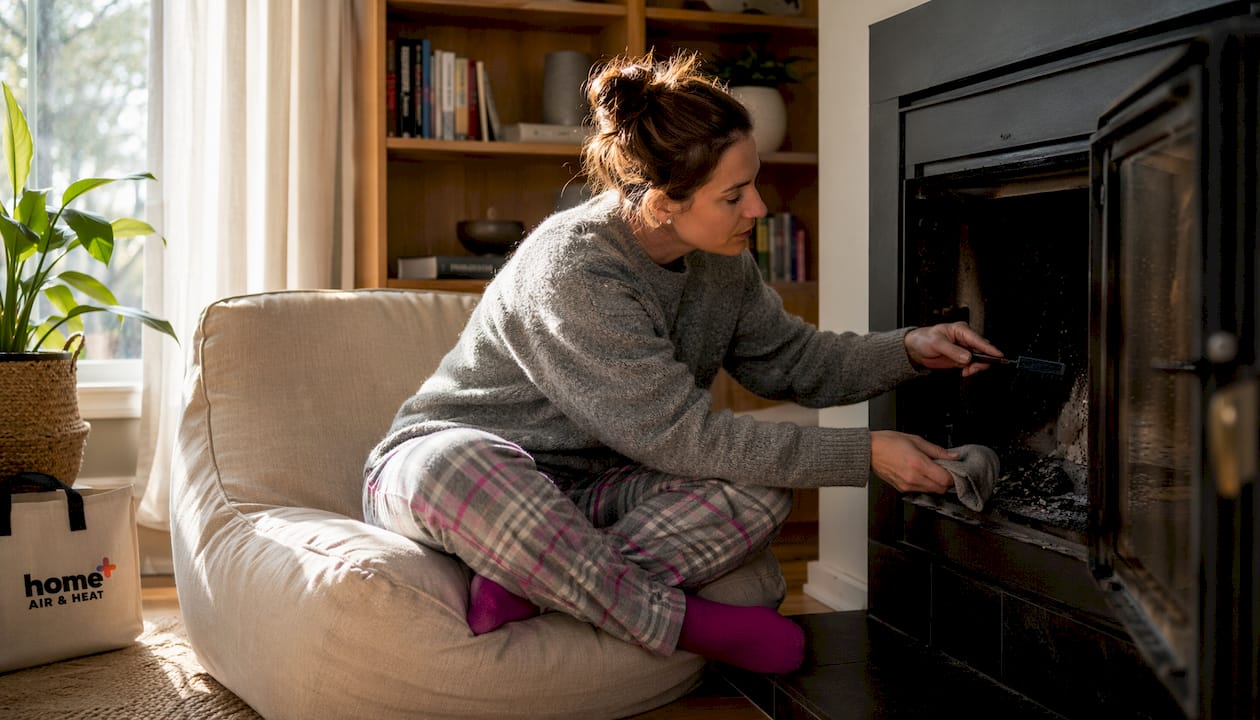
Catching a problem early is the difference between a $200 service call and a $2,000 emergency repair. Your heating system gives clear signals before it fails completely. The key is knowing what to look for.
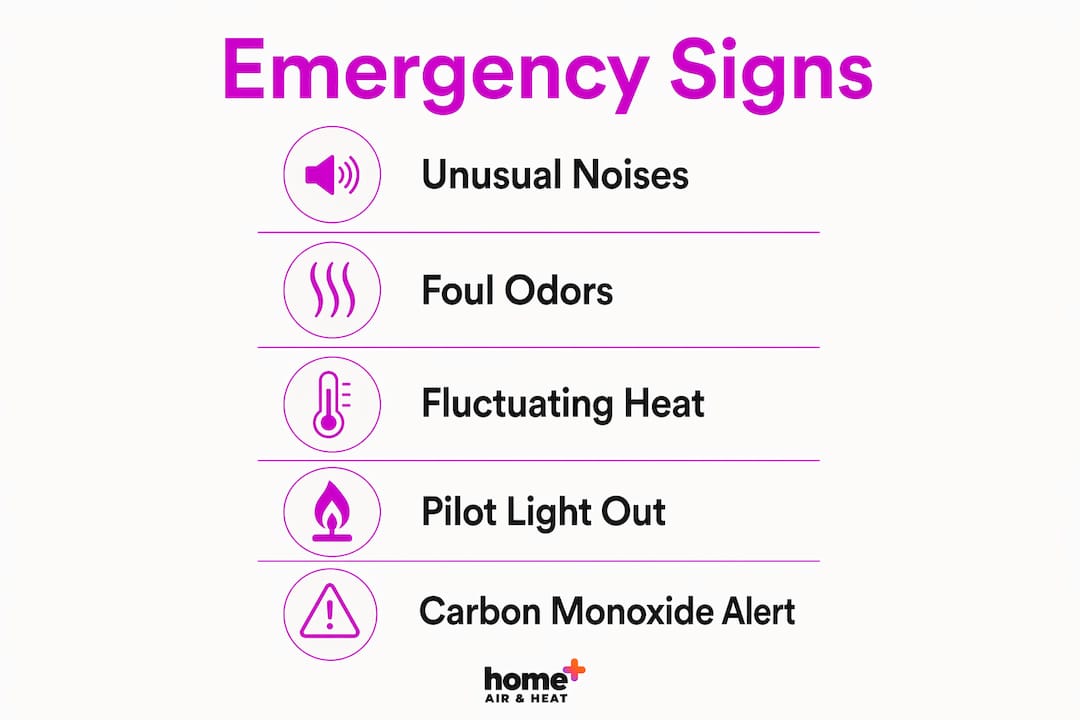
Pro Tip: Walk through your home on the first cold day of the season and feel each room for even heat distribution. Cold spots on one floor often point to a blocked duct or a failing zone valve, not a full system failure.
Watch for these red flags:
- Unusual noises. Banging, screeching, or rattling sounds during startup or operation indicate loose components, failing motors, or ignition problems. A healthy furnace runs quietly.
- Strange odors. A faint burning smell at the start of the season is normal as dust burns off. A persistent sulfur or metallic smell is not. Shut the system down and call a technician.
- Uneven heating. If one room is significantly colder than others, check vents for blockages first. If vents are clear, homeowners often ignore these warning signs, which can precede dangerous CO leaks or full system failure.
- Lukewarm air from vents. Test your auxiliary heat strips before freezing weather arrives. If the air feels only slightly warm, the strips need professional attention before a cold snap hits.
- Frequent cycling. A system that turns on and off every few minutes is short-cycling. This usually points to a dirty filter, a refrigerant issue, or an oversized unit. Check the filter first.
If your CO alarm sounds, leave the house immediately, leave the door open, and call 911 from outside. Do not re-enter until emergency responders clear the building. For a full checklist of steps to take when your system fails, the HVAC emergency repair checklist walks you through each decision point.
How do you protect your plumbing and home while preparing for winter?
Heating prep does not stop at the furnace. Frozen pipes cause water damage that can cost tens of thousands of dollars, and that damage often happens because homeowners focused only on their HVAC system and forgot about the infrastructure around it.
- Insulate pipes in unheated spaces. Basements, crawl spaces, garages, and exterior walls are the highest-risk areas. Foam pipe insulation costs very little and installs in minutes.
- Disconnect and drain garden hoses. Water left in hoses freezes back into the spigot and can crack the pipe inside the wall.
- Drip faucets during extreme cold. Frozen pipes pose serious water damage risk, especially during the thaw. A slow drip keeps water moving and dramatically reduces freeze risk.
- Open cabinet doors under sinks on exterior walls. This lets warm air from the room reach the pipes behind the cabinet.
- Locate your main water shutoff now. If a pipe bursts at 2:00 AM, you need to know exactly where that valve is. Walk to it today and confirm it turns freely.
Outdoor HVAC units also need attention beyond snow clearance. Clogged gutters directly above a unit can drop ice blocks onto the fan and motor housing. Clean gutters in late fall before the first freeze. If your heat pump develops ice thicker than 1/4 inch that does not melt during defrost cycles, that signals a refrigerant or defrost control problem. Call a technician before the ice damages the compressor. For guidance on ice-related issues, the frozen coil causes and solutions page covers the specifics in detail.
Home security equipment also behaves differently in winter. Cold temperatures affect electronic components in ways homeowners rarely anticipate. If you notice your door buzzer failing in cold weather, the cause is often a frozen or contracted component, not a wiring failure.
| Winter protection task | When to do it |
|---|---|
| Insulate exposed pipes | Before first freeze |
| Disconnect garden hoses | october or early november |
| Clean gutters | Late fall, before ice season |
| Test main water shutoff | At the start of winter prep |
| Clear 12–24 inches around HVAC unit | Throughout winter |
What I’ve learned from watching homeowners skip winter prep
Most heating emergencies I’ve seen follow the same pattern. The homeowner noticed something odd in october, figured it could wait, and then called for emergency service on the coldest night in january. The warning sign was there. The window to fix it cheaply was there. Both got ignored.
The mistake I see most often is treating “emergency heat” mode on a heat pump thermostat as a normal setting. Emergency heat bypasses the heat pump entirely and runs only the electric strips. It works, but it costs two to three times more per hour to operate. Homeowners who leave it on for weeks because they think the heat pump is broken often end up with a $600 electric bill and a system that just needed a defrost cycle reset.
The other pattern worth naming: homeowners who install CO alarms and then never test them. A CO alarm with a dead battery is decoration. Test every unit on the first of each month. It takes 30 seconds and it is the most important 30 seconds of your winter maintenance routine.
Winter prep is not a one-day project. It is a series of small checks spread across september, october, and november, with ongoing monitoring through march. The homeowners who stay warm all winter are the ones who treat it that way.
— Blake
Hometsair keeps Long Island homes warm all winter
Hometsair serves Long Island homeowners with NATE-certified technicians, same-day response, and zero overtime fees. Whether you need a pre-season tune-up or an emergency repair on a freezing night, the team arrives equipped to fix the problem on the first visit. Hometsair reports a 90% first-visit fix rate, which means most homeowners get their heat back the same day they call.

Scheduling a professional heating tune-up before the season peaks is the single best investment you can make in winter comfort. Hometsair also offers maintenance memberships that cover inspections, priority scheduling, and discounts on repairs throughout the year. If your system is already showing warning signs, same-day furnace repair is available across Nassau County with no surprise fees.
FAQ
How early should I schedule a heating tune-up?
Schedule your furnace or heat pump tune-up in september or early october. Booking in early fall avoids the surge in demand that hits once temperatures drop and emergency calls spike.
How often should I replace my furnace filter in winter?
Replace or inspect your air filter every month during the heating season. A clogged filter restricts airflow, causes overheating, and triggers safety shutdowns that look like furnace failures.
Where should carbon monoxide alarms be installed?
Install CO alarms on every level of your home and outside each sleeping area. Test them monthly and replace any unit older than seven years.
What should I do if my heat pump stops producing warm air?
Check the filter first, then look at the outdoor unit for heavy ice buildup. If the unit has ice thicker than 1/4 inch that does not clear during a defrost cycle, call a technician. That points to a refrigerant or defrost control issue, not a simple fix.
How do I prevent pipes from freezing during a cold snap?
Drip faucets on exterior walls, open cabinet doors under sinks, and insulate pipes in unheated spaces before the first freeze. Know where your main water shutoff is so you can act fast if a pipe bursts.
Key takeaways
Preventing heating emergencies requires action in early fall, not after the first cold night of the season.
| Point | Details |
|---|---|
| Schedule tune-ups in early fall | Book a professional inspection in september or october to catch problems before demand peaks. |
| Replace filters monthly | A clean filter prevents airflow restriction, overheating, and costly safety shutdowns. |
| Install and test CO alarms | Place alarms on every home level and test them monthly throughout the heating season. |
| Monitor for warning signs | Unusual noises, odors, or uneven heat signal problems that worsen quickly if ignored. |
| Protect pipes alongside your HVAC | Insulate exposed pipes, drip faucets during extreme cold, and know your main water shutoff location. |